Singapore Tourism Board (STB), alongside Enterprise Singapore (ESG) and Sentosa Development Corporation (SDC), is pumping in $45m into a campaign to get locals to travel at home to try and “capture a sliver” of the $34b that Singaporeans spent on overseas trips in 2018.
The S$45m budget, which will stretch over nine months, will be spent over three key areas: partnering local communities to help local “discover hidden gems”, curating experience-based itineraries across different local precincts, and collaborating with hotels, attractions and tour operators to develop promotions.
Precincts will be packaged as mini holidays or “Singapolidays”.
In September, STB and Expedia will launch a marketing partnership to encourage hotels, attraction and tour bookings for locals before eventually extending it to overseas visitors (including flight promotions). STB is also partnering with Klook to create content and develop new products and promotions for locals. Both partnerships kick off in September.
Singaporeans spent over S$34b in overseas travel in 2018. “We’re trying to redirect that spending towards local tourism and lifestyle businesses… to [encourage people] to look at Singapore through fresh eyes,” said Lynette Pang, assistant chief executive, marketing group, STB.
Keith Tan, chief executive, was realistic that the new domestic campaign would not be able to plug the gap left by international visitors to Singapore but it would create a cushion to buffer the impact and “buy as much time as possible to help businesses survive”.
With regards to Singapore’s broader destination marketing strategy, Tan said STB would spend “a little less on conventional international travel marketing” but will continue to ensure that Singapore maintains high “brand equity” and a strong brand image in key markets.
“This is the first time we are driving domestic demand since the Step Out Singapore campaign after SARS and the BOOST campaign after the financial crisis,” said Tan. “Through this campaign, we hope that Singaporeans will gain fresh perspectives, and take a short holiday – or a Singapoliday – to rediscover their own country and help support local businesses.”
Pang shared that according to STB insights, Singaporeans would be keen to venture out if offerings are safe, budget-friendly, foster connection between family and friends, and are authentic (namely, not treating locals like tourists, but instead offering ‘insider experiences).
A call for greater innovation and a strengthened focus on digital
Tan emphasised that as the economy begins to resume, “business as usual” is no longer an option. “I want to emphasise the need to reimagine new ways for customers to experience your offerings and products.”
Longstanding annual events such as the Singapore Food Festival, for example, will go virtual for the first time in 27 years, offering cooking masterclasses and curated food offerings to help the F&B sector recover. The “Great Singapore Sale” will also focus on online shopping deals and virtual events to drive retail spend, but to also “digitalise and internationalise” the sale season.
More long-term, STB has issued an open call for new technology solutions that could help local businesses adapt and transform to new demands in the near future. So far it has received over 200 entries. It will showcase these solutions in a “digital marketplace” next week.
In 2021, STB will also launch “ThreeHouse at STB”– a co-innovation space for industry stakeholders and technology providers to develop and test new solutions. This new ‘innovation’ infrastructure will hopefully spur faster digital transformation, so that businesses can become more resilient over the next few years to come.
Staycations offer a small solution, but hospitality will still face challenges
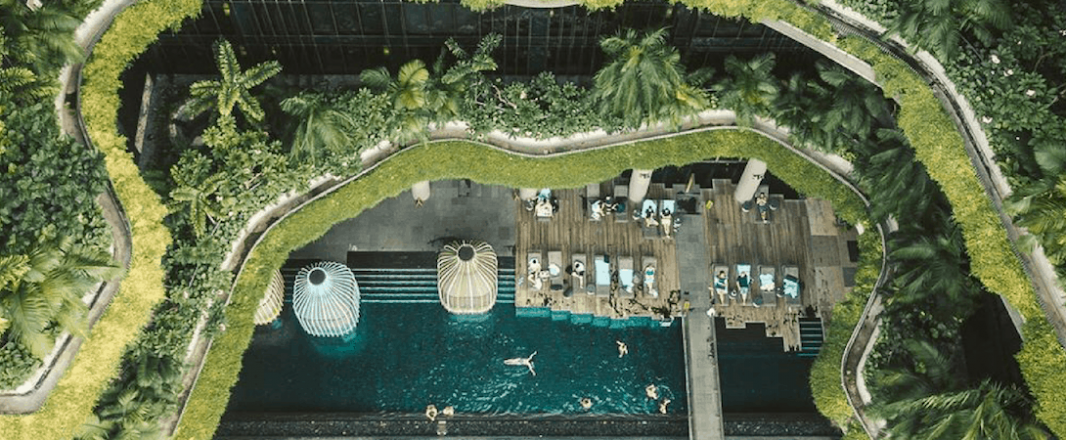
Given the small size of the domestic market, hotels must work hard to develop compelling offers to differentiate themselves in front of a local audience. Approximately 80 hotels have been “SG Clean”-certified – in accordance to Singapore’s strict new hygiene and crowd control standards for hotels. Since reopening, many have been quick to provide discounted rates and curated experiences to draw bookings.
Capella Singapore launched “enhanced staycation experiences”, offering discounted F&B and a series of in-room services like a personal chef. Marina Bay Sands has doubled its awards across dining and shopping, discounted spa treatments and attractions. Crowne Plaza Changi Airport is offering tickets to Jewel Changi’s Canopy Park. InterContinental Singapore has constructed a “day-cation” package that offers access to private space within the hotel for 12 hours. lyf Funan Singapore has partnered with local merchants to offer discounted activities for guests like indoor rock climbing.
Hotels that participated as “government-contracted facilities”, to accommodate people under ‘stay home notices’ face additional measures – specifically that they must ensure all individuals under notice are suitably segregated from the general population.
Again, given that approximately 90% of hotel bookings come from international guests, staycations offer only a small plug for a very big leak. According to the Straits Times, “hotels and tourist attractions need to count on “staycationers” to plug the gap in an industry that brought in almost US$20 billion (S$27.7 billion) in revenue last year.”
“[There are] no set targets on hospitality rates or occupancy, because we need to strike the balance between restoring demand and being prepared in the instance of a second wave,” said Tan. He went on to explain that domestic tourism spend has never been tracked in Singapore, meaning STB does not have a clear sense of what the baseline might be. Having said that, it is understood that for Sentosa, almost 25% of all visitors are local.
Despite huge efforts, more retrenchments to come
Since the outbreak began, the Singapore government has provided S$100b across four budgets to offer support in the form of rental waivers, property tax rebates, and wage and training schemes. Following the establishment of the Tourism Recovery Action Task Force (TRAC) in February, wage support has been offered to approximately 1,600 tour guides and 7000 local travel businesses have received support.
However, Tan was clear that more retrenchments in the tourism sector as “international demand is so repressed and we don’t expect it to return any time soon… The tourism industry originally needed more workers, now it’s the opposite. [We] need to move quickly to support companies that need to redeploy workers to other sectors.
“We have been working with Workforce Singapore (WSG) and SkillsFuture Singapore (SSG) to support tourism enterprises and workers in leveraging the SGUnited Jobs and Skills Package to create jobs, redeploy workers and provide traineeships and training opportunities,” said Tan.
Hotels such as PARKROYAL on Kitchener Road, and Novotel and Mercure on Stevens have tapped on these programmes to roll out customised Job Redesign Plans to broaden their employees’ skill sets. It’s hoped that this will enable them to find new roles beyond their current scope of work.
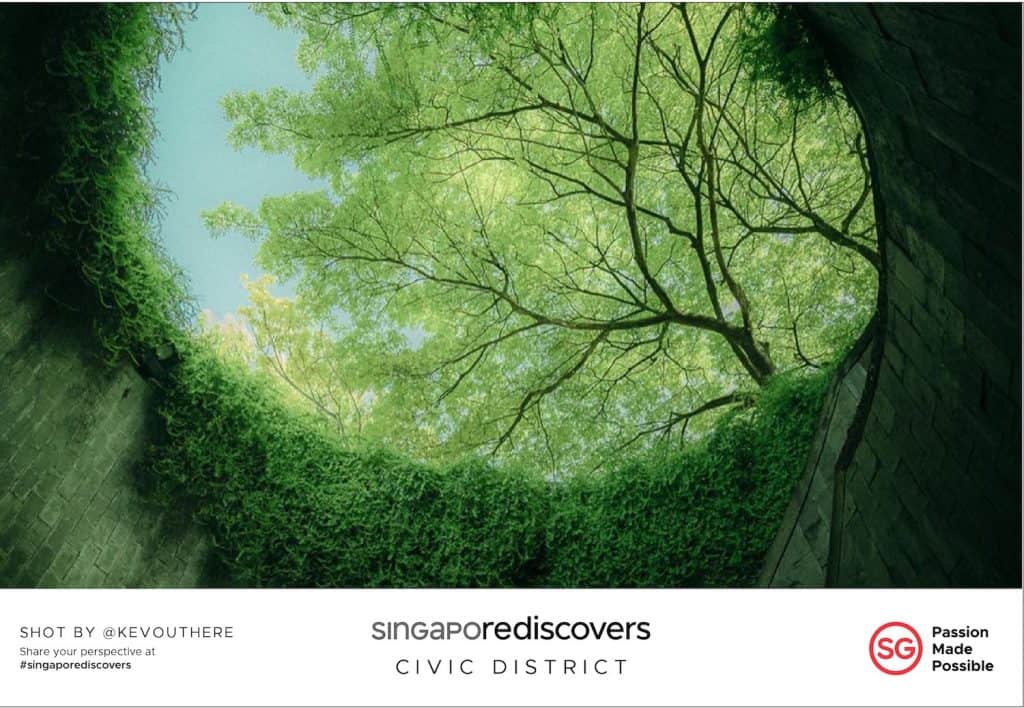
Lead image credit: @kevouthere