The aviation industry has been flying high in recent years, as more technological innovation is introduced, creating blueprints for promised futures of autonomous aeroplanes, high speed inflight wi-fi and the highly coveted painless airport experience.
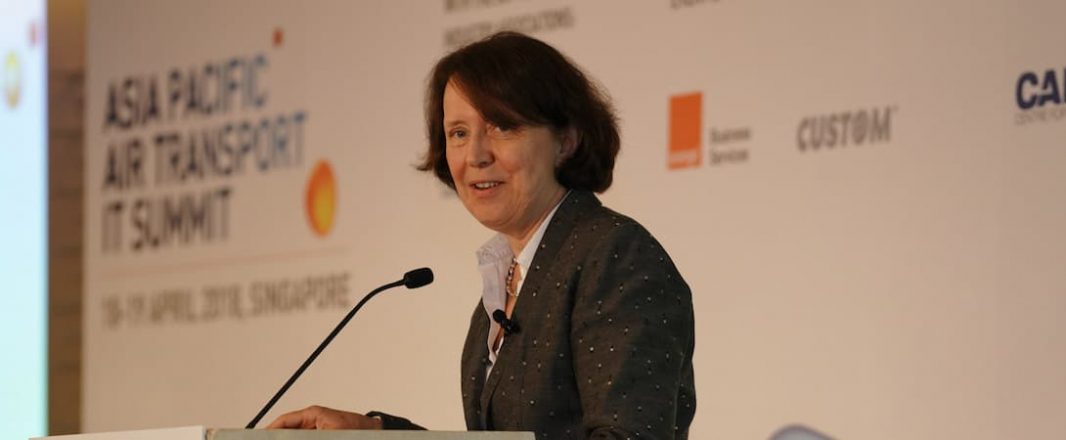
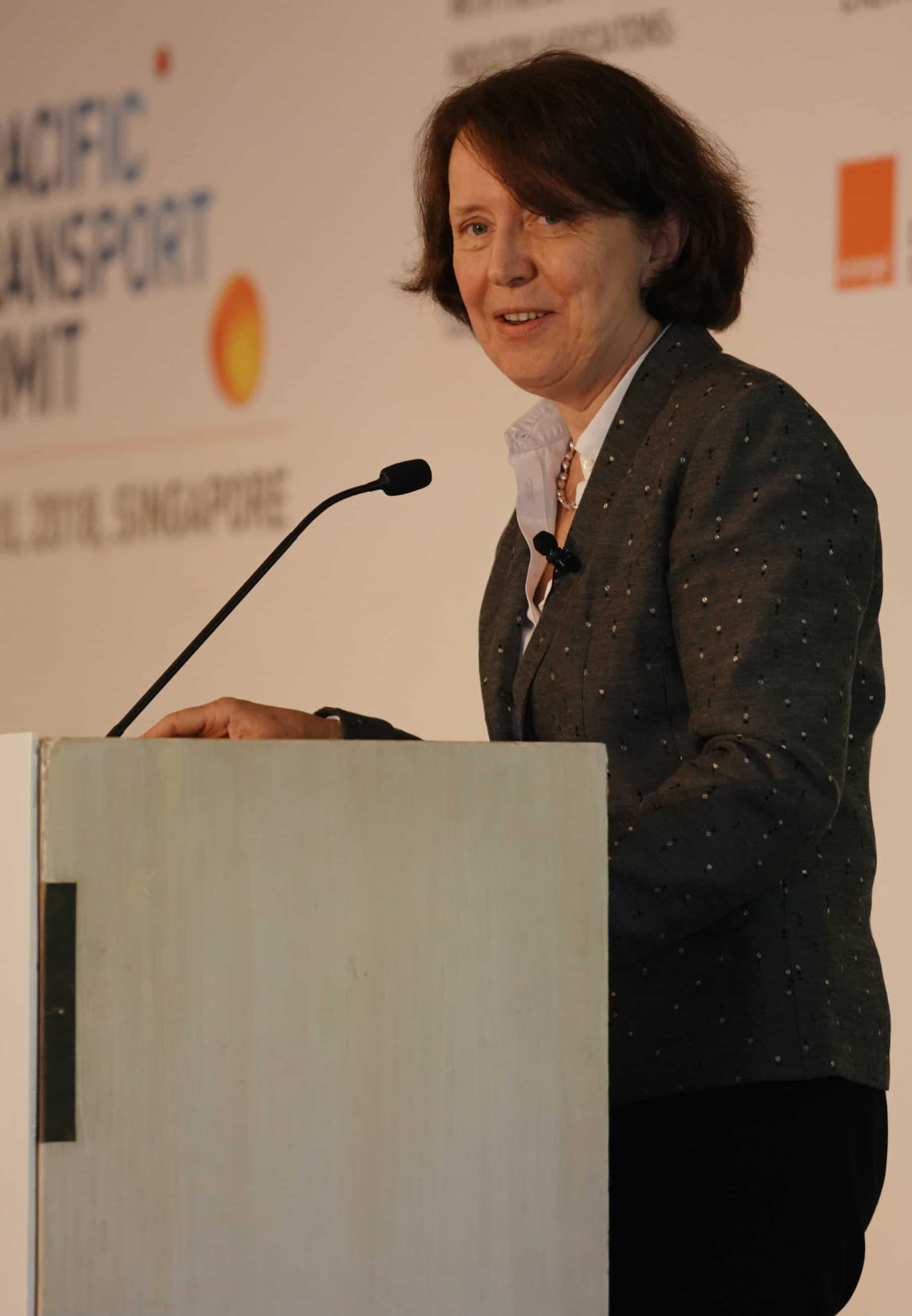
At the SITA APAC Air Transport IT Summit that took place in Singapore last week, Barbara Dalibard (CEO, SITA) said that the travel technology company’s longstanding ambition was to build not just a ‘seamless’ but “informed passenger journey”.
She said it would come as a natural result of the industry’s efforts to develop its standards for operational excellence both at airports and on aircraft. But first, there are key obstacles that must be overcome as passengers take the air travel experience quite literally into their own hands, through their mobile device.
Many arrows point to a future where much of the passenger journey is about self-service, as travellers take stronger, direct control over their entire journey. In fact, according to SITA, 90% of passengers indicated that they would be happy to use their mobile device as a passport, demonstrating the ‘appetite for autonomy’.
This is a beneficial outcome, as air traffic rises over the next few years and pressure increases to speed up the flow of passengers through an airport, preventing congestion, delays and disruptions.
But for technology to be readily accepted and widely adopted, Dalibard cannot emphasise enough the importance of ease. “Some will always use whatever tech is available, but if you really want a service to be used by many, it has to be easy. You need to focus on the customer experience… responsibility has to be taken from the beginning by the organisation facing the customer.”
 Security is key, so is service
Changi Airport Group’s Terminal 4 is perhaps the current benchmark for airport excellence as the flight check-in procedure is largely automated, from collecting a boarding pass, to bag drop, immigration and even security.
“To transform customer experience, you have to transform your own organisation. People must be trained to understand the key requirements of the passenger… security is key but service is also key.”
However, as passengers more habitually resort to mobile for their flight information, it poses another obstacle in cases of disruptions like delays or cancellation. There is now more pressure than ever before to provide real-time information.
“If you’re a passenger, [when there is a disruption] you’ll get information from the airline, the airport, and social media is so active too… so who do you believe?” said Sumesh Patel (President, SITA APAC).
“Being a neutral, trusted partner, we’re trying to get these data sources, validating which is true and then sharing this data with the passenger… the stress on an organisation to provide the right info at the right time is huge.”
Yet, if passengers are updated in real time, companies must also ensure that the level of information their team has is higher and received quicker than the passenger. The nightmare scenario for staff is a world in which they are less informed than the very customers they are there to help, so striking the right balance will be key.
At the end of the day, travellers are the customers of both the airports and the airlines. In the name of service, it is within both players’ interests to make sure information is consistent and reliable.
It paints an image of an industry run fluidly through the relatively open sharing of data, breaking down silos and letting airlines, airports and government bodies find synergy between them.
But for all the perks of an uninterrupted flow of valuable information comes the significant challenge of protecting it from a potential deluge of online threats.
Investigating blockchain as the answer to data protection and security
Scarily, a recent poll by SITA revealed that only 30% of airlines currently felt equipped to handle a cyber security threat, exposing a significant source of vulnerability in air travel.
As data protection acts take centre stage in Europe (with the GDPR) and the USA, Dalibard said it was only a matter of time before similar regulations are implemented with APAC. With that comes a tremendous challenge of managing not just what data is collected but who is entitled to access and how that information is protected.
SITA itself manages 60% of the data between different air travel players. In just a single journey, data must be passed across more than 20 companies, from the airline(s), airports, ground handlers, government agencies, and so on. Thus, members of the air travel industry carry the bulk of responsibility for protecting traveller data.
Currently, SITA is looking into the promises of blockchain technology and how the use of a single token can both simultaneously simplify the transfer of and protect the owner of certain information.

Biometric scanners have automated much of a passenger’s journey through an airport
“You can use blockchain to manage the access rights… which airline, which government, who has access to what data? You can organise it to share what you have to share safely between different actors, and that access can be monitored,” said Dalibard.
“You don’t want your biometric identity to be shared with every government in the world, so you can organise the data and the networks in order to make sure it is exchanged at a specific point… with a cluster of ‘friendly allies’.”
The passenger will also have some level of control over what information is shared. “It’s about having the right to know what people do with your data… this level of understanding that people don’t want to be the object of trade.”
Dalibard referred to the ‘single travel token’ as one of the main methods to make passenger data as secure but as easy to use as possible In short, passengers’ biometrics and travel information are captured early on in the journey and used to create a ‘secure single token’ that can be used as identification through their journey, from departures right through arrivals at their destination.
As promising as this is, there is an onus for SITA and its partners to set the standards on defining what biometric data is collected and how it is verified.
“The main issue to tackle is cyber security and the protection of data… we need to be prepared with airlines, airports to make sure that when we share and transport data, it is safe,” said Dalibard.
“Nevertheless, it’s part of our daily lives…if you want to enhance the service and enjoy the benefits of technology, you have to anticipate the drawbacks.” In anticipation of future risks, SITA works with monitoring centres that analyse past attacks and offer advice to the industry.
In a world of omnipresent technology, of course we only really notice it when things go wrong. In the threat of technical glitches and pre-meditated cyber attacks, Dalibard concluded, “We have to act as a community. The weakest point in the chain is the one that is going to impact us.”