
Skyscanner has made its intentions clear: it is transitioning from just being a metasearch engine to becoming a marketplace with multiple storefronts, where travellers “can shop for a rich array of air fares with a seamless process from start to finish across any device”.
Sounds like a logical evolutionary path for a metasearch company, or for any distribution company for that matter.
In a recent whitepaper authored by its CEO and co-founder Gareth Williams, he argues that “with increasing consumer preference for mobile and evolving click-tap platforms such as chat bots”, the definition of a ‘direct’ air ticket purchase is being redefined.
Skyscanner wants to replicate carrier store fronts in its marketplace – think malls – so that airlines can maintain branding control. It will be, it says, a “supplier-managed marketplace” and presumably would therefore would look different from say an online travel agency. Airlines would enjoy that store-front presence yet be able to tap on a wider distribution through Skyscanner’s “wide audience of travellers across a range of devices” that include apps and even chat bots.
Skyscanner says many airlines still have limited mobile booking options on their own sites, and a vast majority have yet to embrace emerging technologies like bots for distribution and sales.
“Our vision for the future is collaborating with airlines in delivering our version of the supplier managed marketplace to travellers worldwide. We want to bring airline products on our site as close to the direct experience as possible, with carriers controlling their products and brand while benefitting from our traffic, and audience, across a range of devices,” said Williams.
Skyscanner mentions Tmall in China as an example – it offers suppliers “flagship stores” to brand their products in a way that is almost identical to their own sites. These are still marketplaces where sellers must compete for their business, but offer an online shop window for brands that provides the same experience to users as their own sites”.
Its vision and mission has received the stamp of approval from IATA.
“The pace of innovation and change is accelerating, prompted by worldwide access to the Internet and the rapid development of mobile, among other factors. In this sense, Skyscanner is leading the way of having achieved the highest level of NDC Certification as an aggregator, allowing its partner airlines to offer their entire range of products – including upsells and ancillaries – when displaying their content through Skyscanner,” said Yanik Hoyles, IATA’s director of the NDC Programme.
Skyscanner is the only global metasearch company that has received certification of Level 3 on IATA’s new standards.
Recently, Skyscanner pioneered features such as seat selection, fare families. Conversion rates for carriers, they report, are up to 50 percent for mobile bookings, and 100 percent on ancillary upsell.
While Skyscanner may have first mover advantages, it is obvious it won’t be long before others will move in. GDSs, online travel agencies are the obvious ones. But connections and standards provided by IATA’s NDC programme has lowered the entry barriers and non-travel players like Facebook or Google that want in could do so quite quickly.
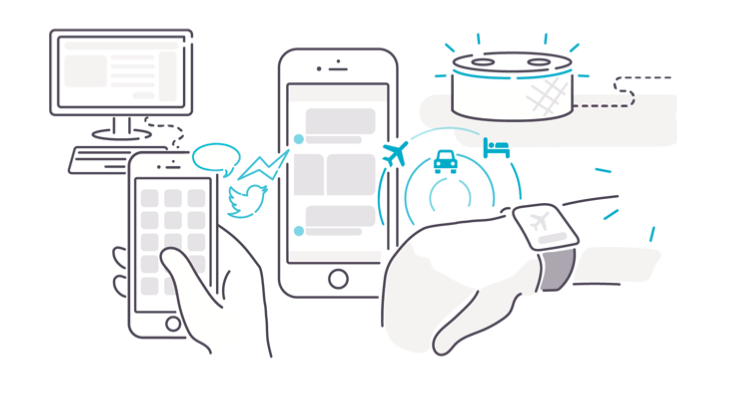
Future distribution landscape
“As users start to engage more and more with searching, booking and paying for their travel on the applications they use day to day, whether that be an app, via messenger or even voice, they will increasingly demand the ability to book these services instantly and without friction. This will be true, regardless of whether they find these tickets on a metasearch or an airline’s site, or indeed whether they are sat at home on a laptop or sharing deals with friends in a messenger chat. As an industry, we must strive to offer the richest flight shopping experience for travellers whenever and wherever they need us — and that includes everything from desktop through to social platforms and in conversations,” states Skyscanner’s whitepaper.
And that, without question and regardless of who or what, is the future scape of distribution.