.jpg)
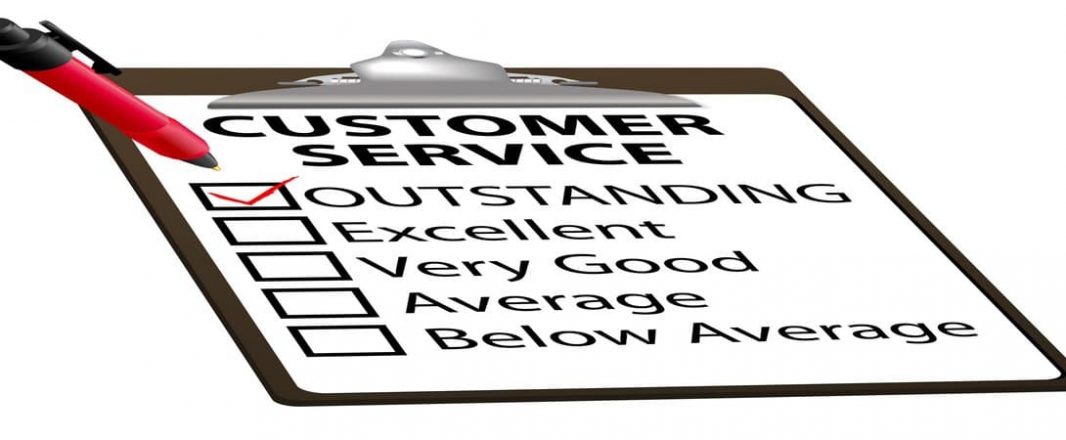
See, I now realize that when it comes to doing business in Japan, once you fit all the boxes – and you get past the starting gate – and that can take seven years or more – then precision kicks in to deliver a totally awesome experience.
Take my visa application as an example. Because I didn’t fit into the typical profile – ie I am not a salaried employee of a corporation – and I am classified as self-employed, I had to produce my company financials and my personal income tax statements before they’d process my application.
But once I produced all that – ticked the boxes – it worked like clockwork and I got my visa in 36 hours, faster than usual, I was told.
Take my check-in at the Hotel Nikko for example. I arrived at the unearthly hour of 6am, desperate for a rest. But because my arrival did not fit into the box – check-in time is 3pm – I got the official treatment. And the staff, while polite, would not budge from that rule.
But once I made a call to the right person and they realized we were holding our conference in their hotel – box ticked – then the treatment changed from officially formal to unofficially personal.

I was given a holding room to rest. At 3pm, when I checked in formally, I was taken to the executive lounge of the Presidential Suite which they had reserved as the WIT Tomodachi (Friendship) Lounge for the two days. I was given a WIT name badge, the lanyard was the same purple WIT colour, and a customized brochure with the WIT logo was given to all our delegates staying at the hotel.
The night before the conference, we went to check the ballroom and an army of workers was hard at work setting up the venue. It was the most amazing transformation of a ballroom I’ve ever seen.
The attention to detail – a floral arrangement at every table, the personalization – WIT branded tea cups and the care for aesthetics – the stage set was like a Japanese garden – it elicited a “wow” from every delegate who walked into the room. (photos below)
The technical team was efficient and precise. The two translators were impeccable in their ability to interpret nuances.
It was like a well-oiled machine that kicked into play – but with the personal care and attention of a general manager, Makoto Motonakano, who was always there in the background to ensure everything went beyond well.
But the best story I heard came from Peter Harbison, executive chairman of Centre for Aviation, who was one of our speakers. (right) .jpg)
On the Japan Airlines flight to Tokyo, he had watched a sweet, sentimental movie called “Bread of Happiness” – about a young woman and a man from Tokyo who together set up a cafe in rural Hokkaido. He bakes bread and she cooks nice things and the story is around several people who pass through, often unhappy – and they go away happy for various reasons.
In the story, the woman had read this charming little picture book about a boy who carried the moon in his bicycle basket.
“I thought it would be great for my youngest daughter who is a book designer and has a young baby,” said Peter.
And so on checking in, he told the staff about the book, thinking it was a well-known title. But they didn’t know about it.
Anyway, the next night, they handed him the book, complete with a written translation. Someone had taken the initiative to look up the book on Amazon, went out, bought it and translated it. Needless to say, Peter was over the moon about it.
So moral of story – ticking the boxes may be a pain in the beginning but in the long run, it pays off bigtime in Japan.