



Allegiant expands loyalty offering via Rocket Travel
Allegiant has partnered with Rocket Travel by Agoda to launch a new global hotel booking platform, Allegiant Hotels, giving more than 20 million Allways Rewards members the ability to earn or redeem points on hotel stays worldwide. Powered and operated by Rocket Travel by Agoda, the platform expands Allegiant’s loyalty ecosystem beyond flights, offering access to hotel inventory across its U.S. destinations and popular leisure markets such as Orlando, Tampa, Phoenix and Nashville, as well as locations beyond its flight network.
The move reflects Allegiant’s push to add more flexibility and value to its rewards program, as loyalty increasingly extends beyond points to end-to-end travel experiences. Rocket Travel by Agoda will manage hotel sourcing, booking and customer service. Allegiant plans to actively promote the platform through exclusive offers, including tailored promotions for co-branded credit cardholders, positioning the partnership as a key step in strengthening engagement and deepening loyalty among its growing member base.
How AI and experience-led tourism are redefining destinations
Travel in 2026 will be driven less by price and iconic sights, and more by meaning, identity and personal relevance, according to the Travel Megatrends 2026 report by The Data Appeal Company and Mabrian. The research points to a fundamental shift toward experience-led and “agentic” destination management, where travellers’ motivations, interests and wellbeing sit at the centre of planning.
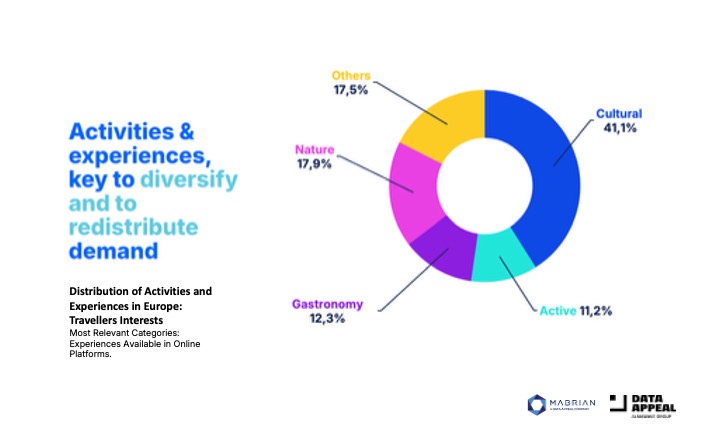
The report identifies seven megatrends shaping this new era, including intentional and narrative-driven travel, the growing impact of event tourism, and the rise of wellness-focused and regenerative experiences. Travellers are increasingly seeking purpose — whether reconnecting with nature, culture or family roots — while destinations like Italy, Spain and France are leading the way in diversifying beyond iconic attractions to curated cultural, gastronomic and nature-based experiences. Digital visibility of activities and experiences is becoming critical, particularly for attracting long-haul travellers and distributing visitor flows more evenly across regions and seasons.
AI and data intelligence are enabling tourism authorities to anticipate demand, manage capacity, optimise resources and reduce environmental impact, while improving visitor satisfaction. As agentic AI systems mature, they are expected to support destination management organisations with predictive insights and automated actions under human oversight. See the full report here.
Spain dishes out €64M fine to Airbnb
Spain has fined Airbnb €64 million for advertising unlicensed short-term rentals, marking another aggressive step in its crackdown on overtourism and housing pressures. The penalty, announced by the ministry of consumer affairs, is six times the profit Airbnb allegedly earned from the illegal listings, with officials framing the move as a defense of residents squeezed by rising housing costs. The action follows broader regulatory tightening, including Barcelona’s ban on short-term rentals and a separate €413 million fine imposed on Booking.com. Airbnb has said it will dispute the fine, arguing the decision conflicts with Spanish regulations, while noting that it is working with authorities on a new national registration system and has already removed tens of thousands of listings ordered by the government.
By 2030, corporate travel won’t look the same, payments will be at the center of it
Corporate travel and payments are on track for a fundamental reset by 2030, according to Blockskye co-CEO and co-founder Brook Armstrong. Speaking at The Beat Live in New York, Armstrong said the industry is moving beyond years of fragmentation in content and shopping, as more managed travel programs adopt direct supplier APIs. That shift will make it increasingly untenable for intermediaries to lag behind suppliers’ own channels, especially as travellers expect the same features, offers and split-payment options everywhere they book. At the same time, artificial intelligence is set to transform servicing — first by helping agents resolve issues faster and more accurately, and eventually by enabling travellers to handle most shopping, booking and changes themselves through personalized, self-service experiences.
Armstrong argued that payment data “can’t be wrong,” and predicted that the merging of travel and payment data will become a base requirement by the end of the decade. Armstrong also pointed to a growing shift toward per-transaction, or “agentic,” payments between partners, replacing annual contracts and consolidating servicing, payments and intermediary technology into a single shared data source.
(via Phocuswire)


