
From the polished corridors of a luxury hotel to the barefoot vibes of Potato Head Bali, and the brainy back-end of Lighthouse, three hoteliers – Christine Tan, Jack Tan, and Sharon Chen – embody different worlds of hospitality. But beneath the surface, they share a common goal: making sense of a rapidly evolving industry while staying deeply human.
Christine Tan: The quiet tech warrior
If the evolution of hotel distribution had a living map, Christine Tan would be one of its most travelled guides. From the days of UTELL’s printed directories to XML integrations at Trust International and now Lighthouse, her journey mirrors the shift from grit and charm to smart, seamless tech.
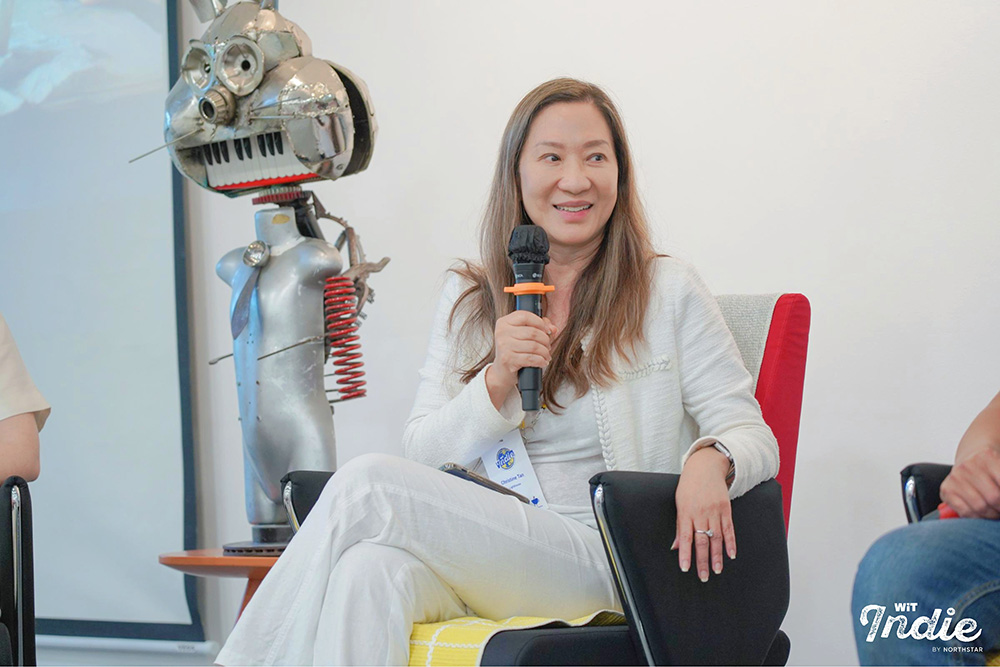
“Back then, there were no fancy tools – just grit, good rates, and charm,” she recalled. Now, with Lighthouse, she’s part of a data-driven ecosystem helping hoteliers make intelligent, forward-looking decisions in seconds, not hours. What excites her most? The fact that independents now have access to the same tech as the big chains. “It’s a level playing field if you know how to play it.”
But even in the rush of automation, one thing hasn’t changed: “Human relationships. Trust is still the currency of hospitality.”
Her hotel of the future? One with a heart and a brain — “It should remember everything about me.”
Sharon Chen: The strategist with soul
Sharon Chen, who once worked as a telecoms engineer, now commands revenue strategy at a luxury hotel. In her view, tech has turned revenue management from gut feel to forward-looking science. “In the past, you relied on history. Now, you look into the future — real-time demand, room-level pricing, and market trends,” she said.
She’s bullish on social media, particularly influencers, as a way to drive visibility and stay connected to the community. “Our strength is brand, but social gives us soul. We engage the community to stay relevant.”
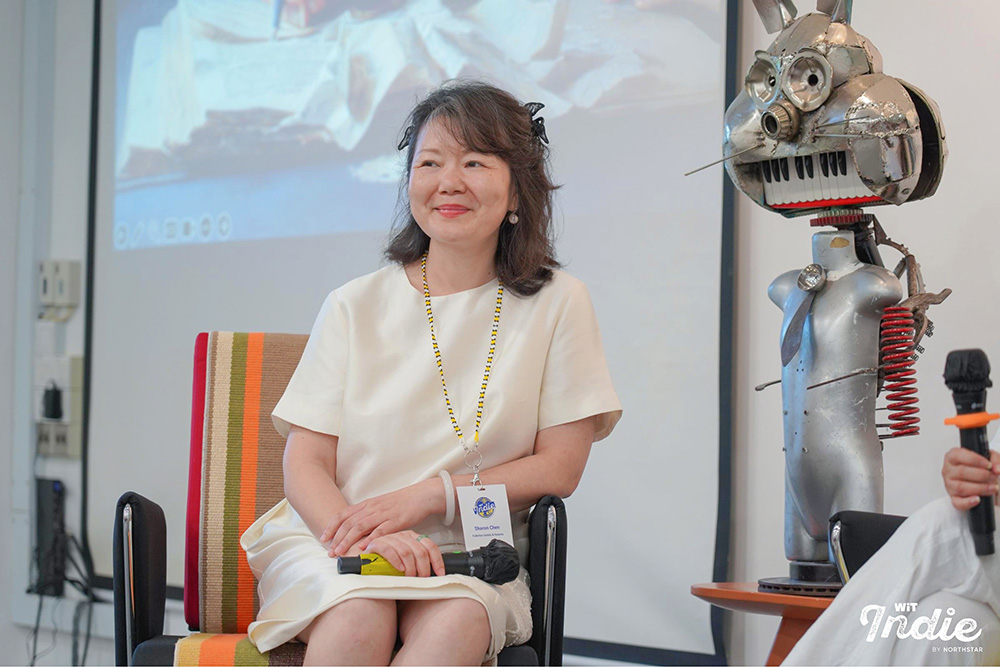
Even with partners boosting GDS visibility, Sharon believes local resonance and storytelling are just as vital as international reach.
And on AI pricing? “Never let AI price your rooms, especially for luxury,” she said firmly. “Pricing is about perceived value. Machines don’t understand perception. Good people do.”
Jack Tan: The engineer of experience
Jack Tan, formerly a tech chief for global and regional hotel brands in Asia, is now consulting for Potato Head, the Bali-based brand known for its barefoot luxury and zero-waste mission. He’s helping build a hospitality model rooted in storytelling, sustainability and… software.
Potato Head’s transformation from beach club to award-winning resort reflects a philosophy that’s as playful as it is purposeful: “Good times, do good.” Ranked 21st in the 2024 World’s 50 Best Hotels, the brand is expanding beyond Bali, with restaurants in Singapore and big dreams ahead.
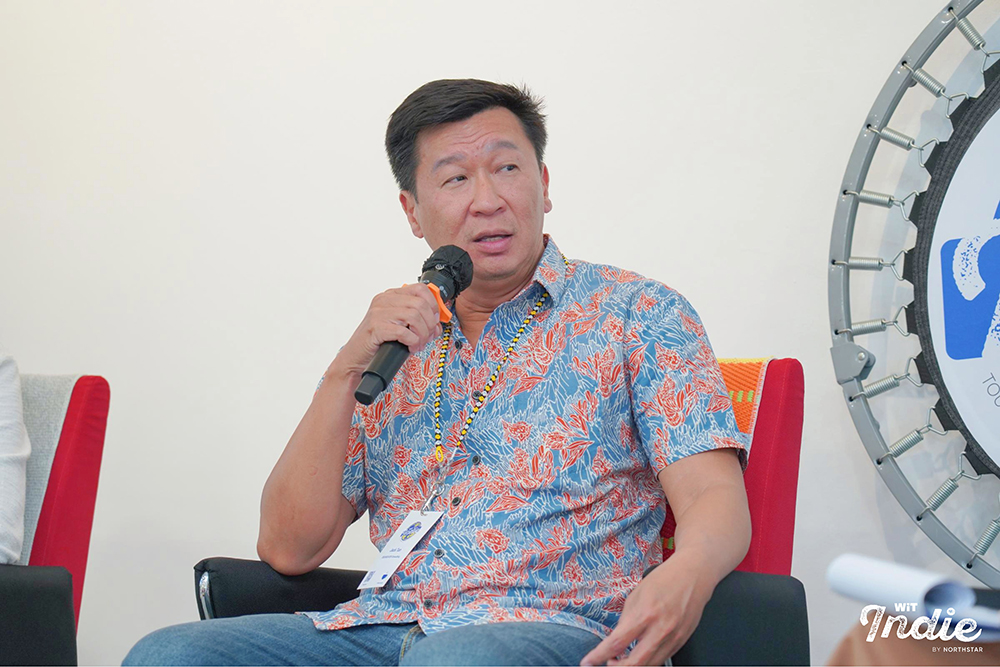
From his tech lens, Jack sees hospitality moving swiftly toward cloud-based systems and open APIs, enabling faster integration and less server friction. But he’s also clear-eyed about the roadblocks. “Mindset is still the biggest challenge,” he said. “Independent hotels are still stuck in legacy thinking.”
When asked about AI, he’s practical. Chatbots, yes especially for automating repetitive queries. But “real hospitality still needs human connection. Especially in resorts, no one wants to be welcomed by a robot.”
What unites them
Despite their different domains – Christine in data, Sharon in luxury revenue, Jack in lifestyle experience – a few themes emerged:
- Tech is now table stakes: From AI chat to predictive revenue tools, smart systems are now accessible to all, not just the big chains.
- Social storytelling matters: Whether it’s Fullerton’s community campaigns or Potato Head’s sustainability story, Instagram, TikTok, and influencers are driving discovery.
- Human connection remains core: Technology may streamline operations, but trust, emotion and service still define great hospitality.
- The OTA paradox persists: All three acknowledge OTAs’ dominance but also believe independent hotels have a golden opportunity to shine through authenticity and direct engagement.
And when asked if they’d ever run their own indie boutique hotel?
Christine: “I would.”
Sharon: “Not for me.”
Jack: (Laughs) “Never.”