Guest post written by CarTrawler
With the advent of sophisticated online retailing, customers increasingly expect their needs and preferences to be met at home and abroad. The car rental sector has responded by tailoring its offering to succeed in the increasingly competitive international marketplace.
Customer expectations differ dramatically, not just between continents but from border to border. Retailers who actively seek to understand the changing needs of their different customers have the power to use this knowledge to build loyalty and drive revenue.
“Car rental retailers have been quick to respond to evolving market dynamics and customer preferences. By putting themselves in the shoes of their customers, retailers have been able to differentiate themselves in a number of ways and create a sustainable competitive advantage,” says Brian Ingarfield, Chief Product Officer at CarTrawler.

Brian Ingarfield
In conventional terms, market knowledge drives commercial success. Either the right product is at the right place at the right time, or a potential sale is lost. But what does the “right product” mean when considering the global car rental marketplace?
“This is where the demand-driven concept comes into play. Car rental retailers are adjusting their product by location and capturing additional value in the form of extra revenue and customer loyalty,” explains Ingarfield.
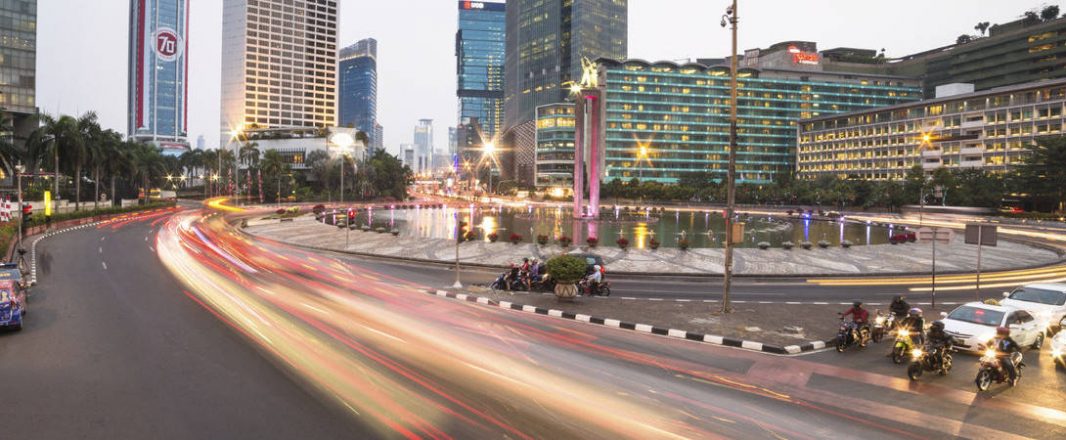
The ability to flexibly respond to different market needs can give a retailer the competitive edge. For example, in Asia, the differences in requirements between countries can be remarkable, and retailers have responded to this. “Car rental customers in the Philippines and Indonesia tend to prefer chauffeur-driven services, as local traffic can appear chaotic to Western eyes,” says Ingarfield.
Added extras can also be critical in influencing purchase decisions. “For example, Instant Cabs in India have developed a popular ‘car with driver service’ which is available to rent on a two hourly basis. Customers get the luxury and freedom of a private mode of transport but none of the hassle of navigating themselves”, says Ingarfield.
Meanwhile, KingRentaCar provides luxury and iconic rentals in some of the more glamorous European locations such as Monaco, the South of France and Switzerland.
“Prestige customers tend to be a lot more interested in the spec of the vehicle compared to the average car rental customer, so we make sure that our vehicles are top of the range,” says Matthew Allright, Managing Director of KingRentacar.
“The global marketplace is demanding a different type of car rental model that provides customers with the benefits of a private car without the costs and responsibilities of ownership,” says Ingarfield. “Ultimately, you want to make it as easy and intuitive as possible for customers to do business with you. That means adapting to them, not expecting them to adapt to you,” he says.
Beyond the obvious vehicle and rental preferences, today’s customers are demanding seamless retail experiences involving particular payment methods, merchandising layouts, trust certificates, and packages. This may be something as simple as facilitating payments using methods other than Visa, Amex and Mastercard, or finding a way to merchandise that match the preferences of the local population.
By systematically testing design variations and observing the users’ interactions with their website, online retailers can analyse user feedback to improve the performance of their website. “It’s a different kind of demand-led process but still involves figuring out what the customer wants and giving it to them so that a passive browser becomes a valuable sales conversion,” says Ingarfield.