In an age where travellers crave meaning as much as adventure, the experience economy is surging again, not through algorithms alone, but through the people and purpose behind them.
At WiT Singapore 2025, the session title said it all: The Experience Surge: The Quest for Personalisation, Meaning and Communities.
Moderator Chan Chee Chong, CEO and co-founder of GlobalTix, kicked things off with a wry smile: “We used to be known as the last frontier,” he said. “Now we’re surging – we’re the storytellers and the reason travellers travel.”
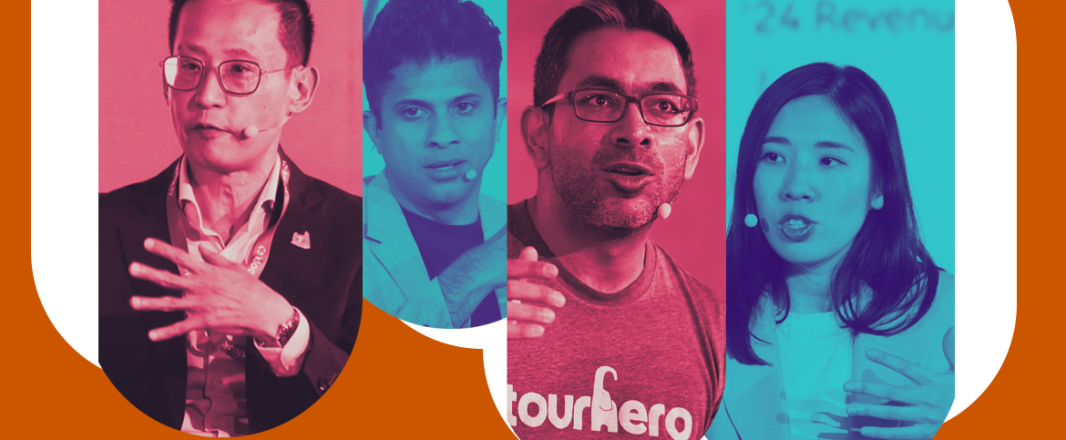
On stage sat four builders from very different corners of the experience ecosystem: Varun Khona, CEO & co-founder of Headout; Jacinta Lim, CEO & co-founder of Seek Sophie; Tushar Kandewal, co-founder of TourHero; and Addison Goh, Divisional Director, Business & Experience Development at Sentosa Development Corporation.
Together, they painted a picture of a sector blending technology and human ingenuity to redefine what travel experiences mean and what they’re worth.
Headout: From Broadway to AI guides
For Varun Khona, who founded Headout in 2014, the experience economy has always been about “creating something of true value for the ecosystem and nothing about that is easy.”
Headout, which began by hand-delivering Broadway tickets outside New York theatres before APIs existed, has grown into a global platform generating over US$130 million in annual revenue. Yet Khona remains disarmingly candid about the grind.
“The one constant about trends,” he said, “is that they keep changing.”
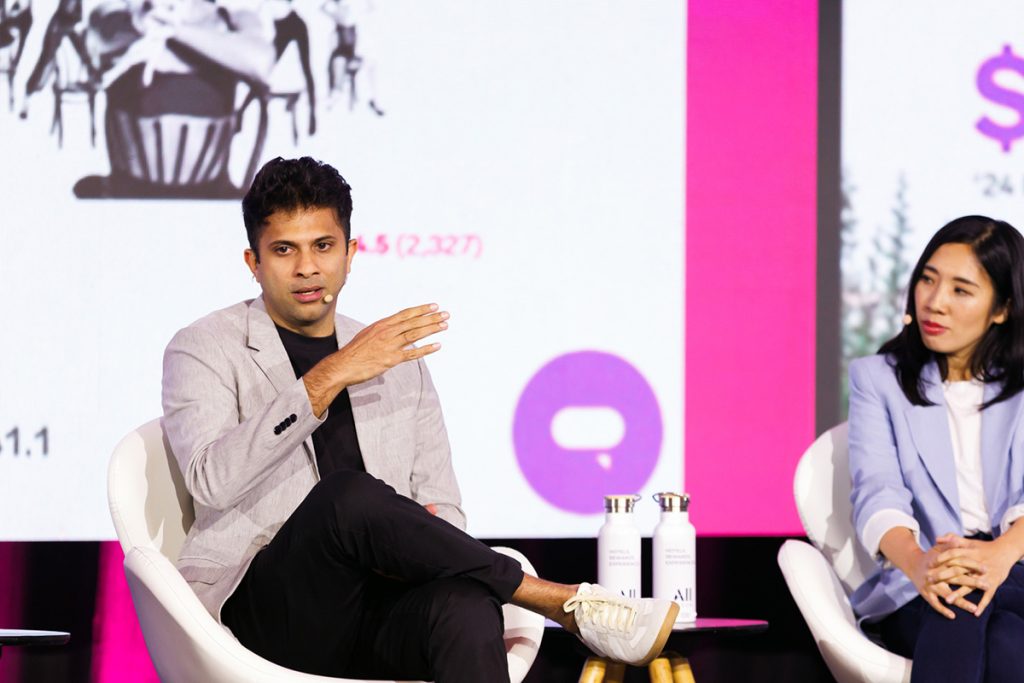
Today’s traveller, he observed, is “a complex creature” – someone who might visit Gardens by the Bay one morning and hunt for a backstreet jazz bar by night. “You can’t put travellers in boxes anymore,” he said. “The same person can be both mainstream and offbeat in the same trip.”
Headout’s answer is Dex, an AI-powered “augmentation layer” that turns physical spaces into living, learning environments. “Imagine walking through a city and having an AI companion that tells you stories, plays soundtracks, or lets you scan anything to learn about it,” Khona explained. “It’s about elevating the physical world, not replacing it.”
His vision: every interesting space on Earth – even Mars, he joked – should one day be “augmented by Dex.”
Seek Sophie: Rediscovering the human touch
If Headout is about scaling access, Seek Sophie is about slowing down.
Co-founder Jacinta Lim refuses to list theme parks like Disneyland or Universal Studios on her platform. “As travellers, we never had trouble finding those,” she said. “What’s hard is finding places that aren’t tourist traps, and making sure they’re ethical, safe, and worth doing.”
Seek Sophie’s small team personally tests every experience. “We go on the ground, we interview partners, we check safety,” she said. “We’ve even removed hosts with perfect five-star reviews if they didn’t meet our standards.”
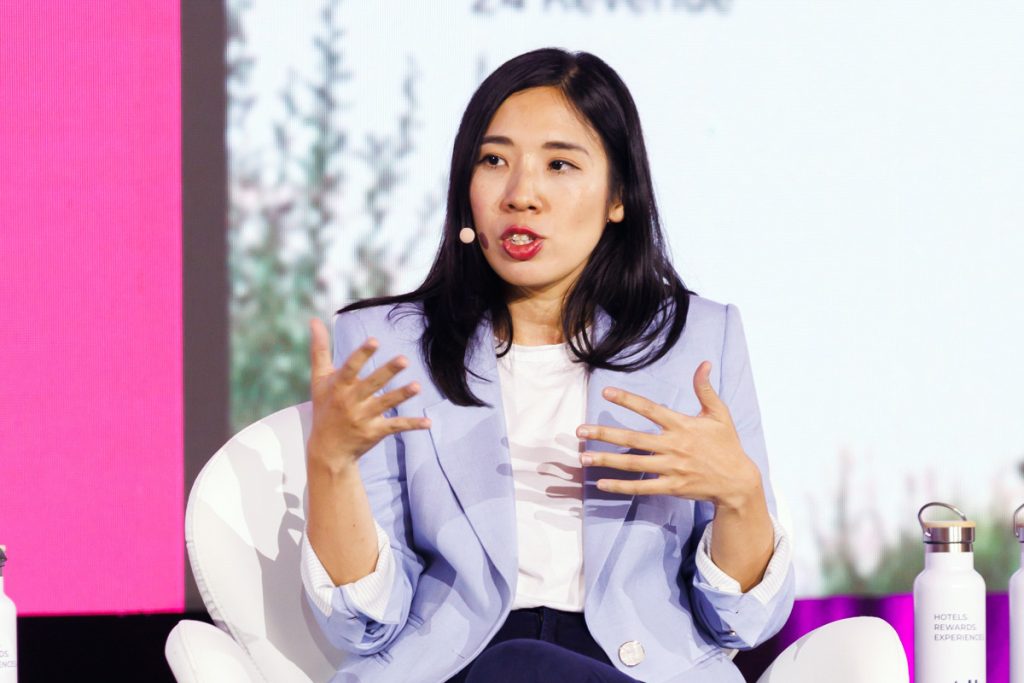
For Lim, it’s about trust, and transformation. One story she shared: working with ex-poachers turned guides in the 130-million-year-old rainforests of Borneo. “When a poacher becomes a guide, the whole community follows,” she said. “They tell their fathers and uncles to stop poaching because now tourism feeds their families. Travel can literally save rainforests.”
Seek Sophie’s impact extends beyond sustainability; it’s also building loyalty in an age of algorithmic churn. “We have guests who’ve booked 20 or 30 experiences with us,” Lim said. “That’s unheard of in travel. They keep coming back because they trust our curation.”
She smiled when asked what the coolest thing on her platform might be in 2045:
“Maybe just human interaction,” she said. “By then, everything will be AI-ed out – the rarest thing will be a real human connection.”
TourHero: Building platforms of belonging
For TourHero’s co-founder Tushar Kandewal, the future of experiences lies in belonging.
“We live in the loneliest generation in history,” he said. “We sit next to each other scrolling, instead of meeting. The antidote isn’t another app, it’s getting together in person.”
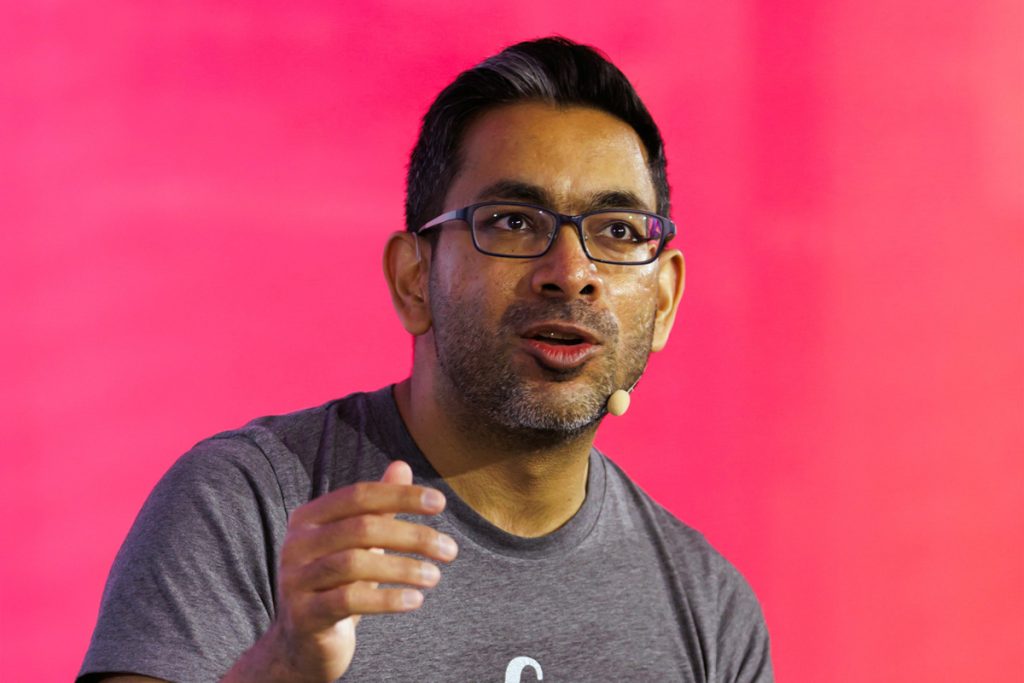
TourHero turns communities – from yoga circles to book clubs – into co-created travel groups led by what Kandewal calls human magnets: passionate people whose energy draws others in.
“The next trillion-dollar platforms,” he declared, “will be the ones that power real-world community.”
With AI at its core, TourHero has shrunk trip creation time from 32 days to under one minute. “We enable anyone to become a tour hero,” Kandewal explained. “They curate a trip, invite their community, and earn from it. The average tour hero makes US$6,500 from a seven-day trip.”
Asked what drives this model, he said simply: “The future of belonging isn’t alone, it’s together.”
Sentosa’s next chapter: Data, design, delight
Representing the destination perspective, Addison Goh of Sentosa Development Corporation sees his role as bridging data, design, and delight.
“We work closely with partners like these guys,” he said, “because they’re the touchpoints to our visitors.”
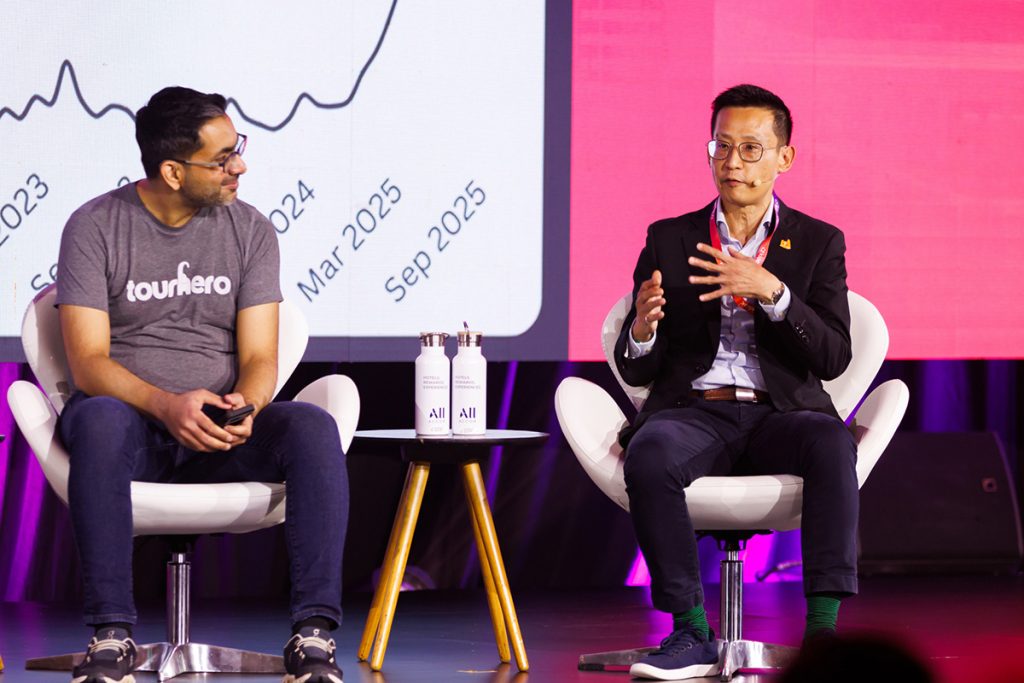
Sentosa is embracing AI and wellness to evolve beyond its attraction-based identity. “We’ve launched a large-language-model concierge on our website and WeChat, and we’re exploring voice AI as the next frontier,” he said. “But it’s not just about tech. We’re focusing on mindful, sustainable travel, hosting micro wellness events and a mega wellness festival next year.”
His goal for 2045? “A cooler, calmer Sentosa, where people slow down and reconnect.”
Personalisation, the new North star
In a quick-fire word game, moderator Chan challenged the panel to pick one word that would define the next 20 years: personalisation, hidden gems, secondary cities, or customer service.
Without hesitation, Varun Khona and Jacinta Lim chose customer service. “It’s the evergreen word,” Lim said.
Tushar Kandewal and Addison Goh voted for personalisation. “That’s where we’re headed,” said Goh. “Everyone’s version of hidden gems or theme parks will be different – and that’s what makes it personal.”
Khona nodded. “You serve customers wherever they want to be,” he said. “That’s the heart of it.”
The human in the loop
If there was one thread binding this conversation, it was this: the future of experiences may be powered by AI but it will still be defined by humanity.
Technology, all agreed, is the enabler; meaning and community remain the endgame.
As Lim put it, “We might all be talking about AI and automation, but the rarest thing in travel – and the thing people will pay most for – is the human touch.”
Perhaps that’s why, amid all the talk of APIs and algorithms, it was her closing line that lingered longest in the room: “Twenty years from now,” she said, “the most luxurious experience might simply be to feel connected again.”