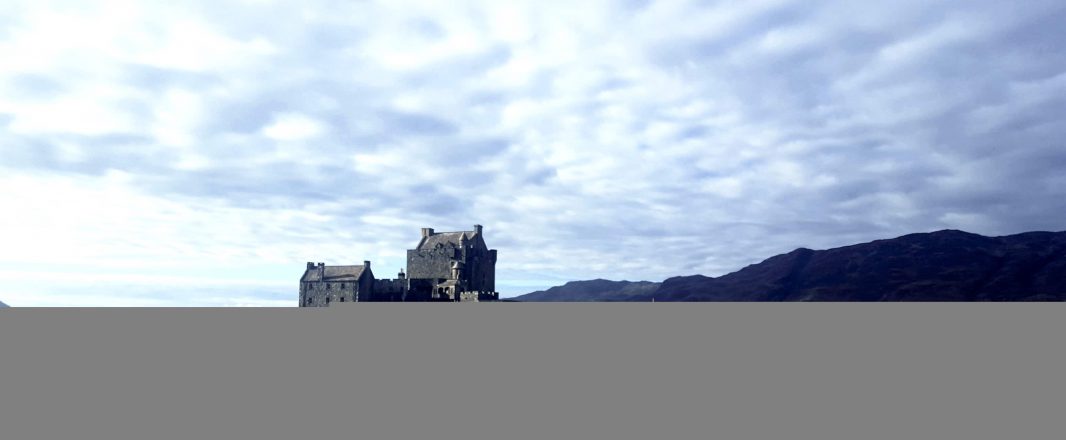
In the midst of all the build-up for WIT Singapore next week, I jetted off on an annual sojourn to the UK with my family. We made our routine stops in London and Edinburgh, before setting off for the rural landscapes of Scotland’s northern highlands.
Travelling to the Isle of Skye in the far northwest meant going almost directly against every consumer travel trend there is in the book. Organising our road trip was little more than zooming into Google Maps and trailing potential routes between hard-to-pronounce towns with our mouse, based on the most boldly illustrated roads. Booking B&Bs involved personally e-mailing property hosts and engaging in a courteous e-mail exchange before passing any payment details.
Getting there required a train journey, car hire, and a brief but visually stunning ferry crossing to the isle. GPS showed little more than a single stretch of road, the same one that spun out in front of us. Mobile signal (let alone data roaming) was about as volatile as a debate with Donald Trump.
While tour buses occasionally did pass us, shuttling keen hikers and nature photographers, it was a far cry from the convoys of flag-toting guides herding people like alpacas through green fields.
Skye is very much the place few have bothered to venture with many of the Scots themselves admitting to never having trodden too deeply into their own backyard. Yet, the vast expanses of rocky munros, vivid green fields, crumbling castle walls and glassy reflections cast off the water were unlike anything I’d ever seen. It was almost a step back in time.

Every morning began with a home-cooked breakfast by our hosts of porridge oats, smoked haddock or a full Scottish of haggis and all the trimmings. Our car journeys involved stopping at quite literally every photogenic landscape we drove by (there were a lot) to hop out, explore for a while and snap a few photos.
Finding something to eat felt like foraging as tiny towns offered little beyond pub fare (at full capacity with the local regulars) or tiny restaurants. If ever we were spoiled for choice, lunch plans were made by a resident’s suggestion. TripAdvisor reviews meant nothing, just blind faith in a stranger with a friendly smile would do. Dinner involved navigating our way in the dark to find any restaurant with a light on and an empty table for four.
Needless to say, it was hardly the type of travel current market research would predict. It was nothing to do with snapping and insta-sharing selfies in front of famous spots, or design-focused hotels with rapid wifi, recommended by influencers.
It got me thinking about the WIT conference theme, “reimagine”. When I first heard the word, I envisioned more of what I’d seen throughout my two years as a writer for WIT… Research on unique consumer behaviour followed by endless efforts to digitalise every aspect of the travel experience.
To be fair, much of the way many have chosen to reimagine travel has indeed gone the digital route. Pokémon GO has got people up and exploring surrounding areas (with eyes glued to phones). Virtual and augmented reality shows heavy promise in inspiring people to book their next ticket. Efforts to perfect the ‘seamless travel experience’ through a high-tech, high touch approach are advancing quickly through mobile. Even postcodes might shift from numeric codes to what3words.

But if my journey to the Isle of Skye has taught me anything… it is that reimagining travel for the future should not mean turning our backs on its not-so-high-tech past.
Technology has enabled services to go above and beyond in satisfying consumers. This instant gratification (through targeted advertising, one-touch payment systems, etc.) is great but it should not necessarily come at the expense of old methods of exploration.
While my holiday did indeed have its challenges – with our GPS route threatening to take us on a 60-mile detour when our destination was just around the bend – it was easily one of the best I had ever done. It was a breath of fresh air from all the focus on digital and a pleasant reminder of what travel can be, beyond the industry jargon.
It made me realise just how true the need to reimagine the travel industry actually is. While technology presents us with almost infinite possibilities, it also presents the danger of focusing too narrowly on how people behave digitally and not how they behave in real life, when outside their element.
We risk turning our backs on the beauty of organising and travelling at a snail’s pace and experiencing true and personal discovery. We risk forgetting how crucial the human touch really is to the entire experience and how that must feed back into what we develop and incorporate into new technology.
Perhaps in order to look forward, we need to look back into how simple travel used to be – enjoying great hospitality and embracing getting lost and seeing what happens wherever we end up.