The Projector closed this week. For many of us in Singapore, it was the only cinema that mattered – a quirky, independent space where you could be alone, yet not alone, and lose yourself in stories that mainstream theatres never touched.
Its sudden demise struck a nerve. If even movies can’t hold our attention in an age of endless swipes and 30-second clips, what hope did we have making a 90-minute documentary about online travel?
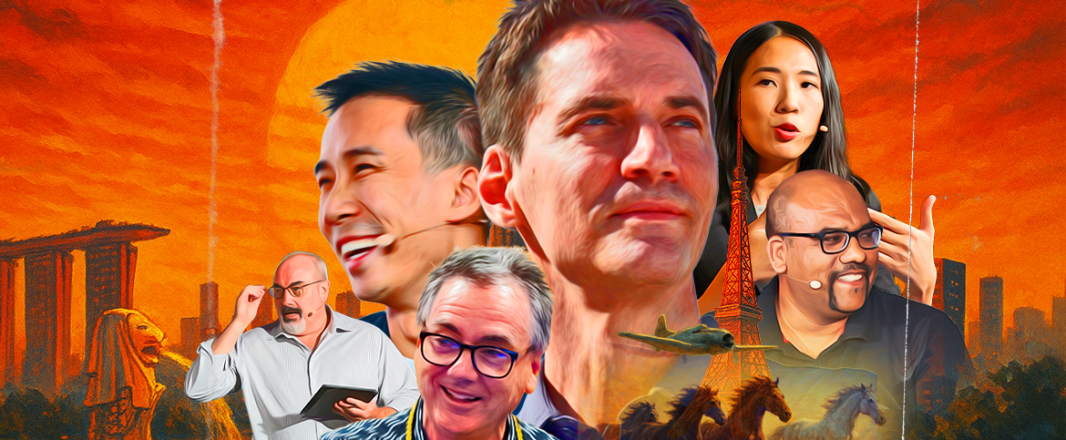
That was the question hanging over us as we put together Online Travel in Asia: The Untold Story, created to mark WiT’s 20th birthday. We knew it wasn’t exactly The Godfather. It had no mafia dons or shoot-outs – though it does feature a few horses.
Nor was it Lord of the Rings – though a few Gandalf-like figures make an appearance, for example, Deep Kalra, who shepherded MakeMyTrip through two months left of cash flow to IPO and now philosophises about finding “the meaning of life” through travel.
Nor was it Money Ball – though there was Rob Rosenstein, founder of Agoda, who owed everybody money and paid them all back, and Kei Shibata, travel.jp’s co-founder, talking about the moment his hands were shaking when he signed a personal guarantee cheque for $20 million.
Nor was it A Complete Unknown – though it does feature Dylan, a dog, and a music soundtrack with an ode to David Bowie.
Nor was it Anna Karenina – though if you listen to Timothy Hughes’ take on tragedy and travel, you’d might end up weeping too.
It’s a story of booking engines, entrepreneurs, and quiet revolutions. Important, yes. But would anyone care enough to sit through it?

Wrestling with time
Three days before the premiere, we thought we had our final cut – until we looked at the clock. Two hours. Too long.
We scrambled, WhatsApp messages flying to-and-fro, editing being done remotely between Arvindh in Kuala Lumpur and me in Singapore. The isolation of working in a digital age. I hankered for those days when we’d all be in the same press room together, putting a newspaper to bed.
“Quicken the tempo in this.” “Switch images.” “Use real people.” “Cut this.” “Leave this in.” “Make people feel in this.”
We carved away 30 minutes; each cut a painful choice.
One-and-a-half hours felt right, but our nerves were shot.
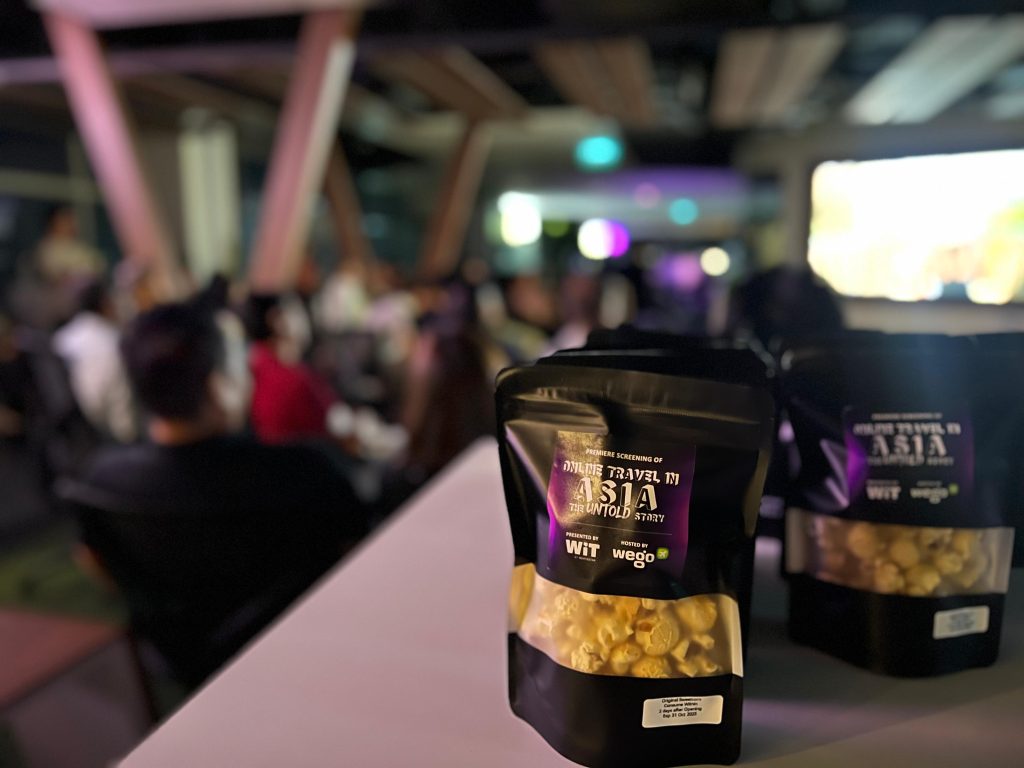
“Bring your attention span,” I warned our guests. We’d provide the drinks and popcorn.
Alone, yet not alone
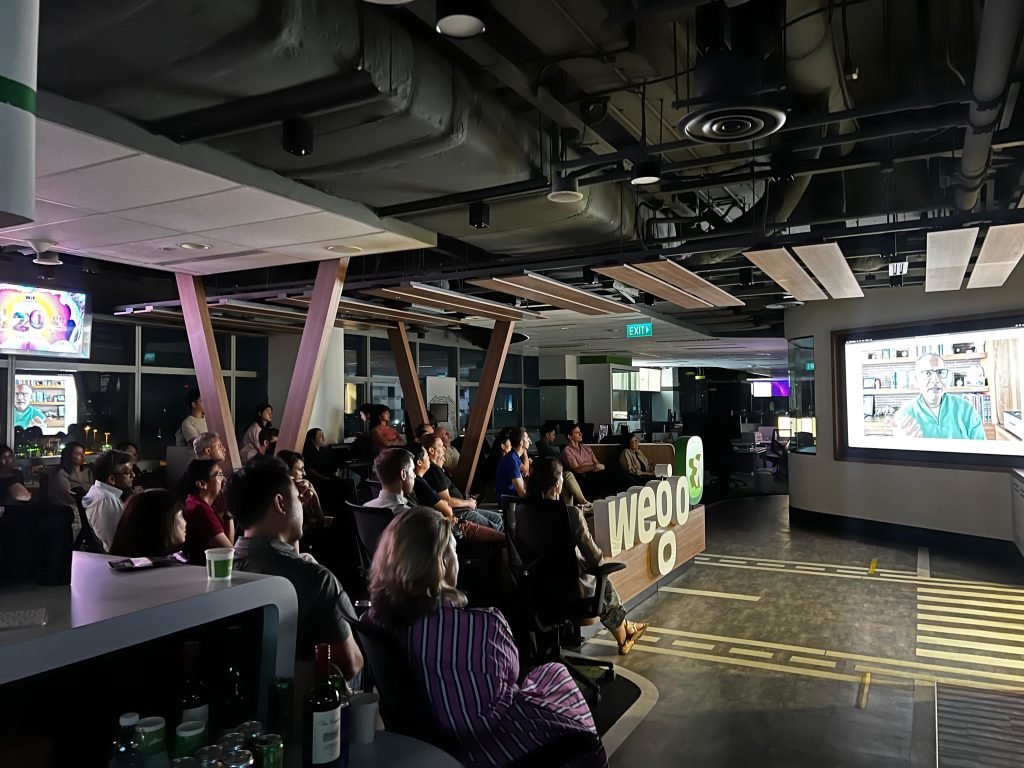
On opening night, more than 50 friends from the industry gathered. As the lights dimmed, I braced myself. Would they fidget, whisper, glance at their phones?
Instead, I heard laughter ripple through the room. Then silence – the kind that settles in when a story hits home. That silence, more than anything, reassured me: people were paying attention.
The biggest compliment came from someone just three months into the industry. “It didn’t feel like an hour,” she said. “It was like a crash course. I’m even more excited to be working in travel.” Another, from a hospitality digital marketer: “For the first time, I saw the story from the OTA side. It humanized them.”
Since then, professors have asked to show it to students. CEOs want to share it with their teams. The story is travelling, as stories do.
Why we made it
We didn’t set out to make a blockbuster. We set out to remind people that travel wasn’t built overnight. It was built by people who dared, who stumbled, who tried again. It takes a village to raise an industry.
My fellow journalist Luke Clark, who has chronicled this journey with me for decades, put it best after watching: “Deep down, despite all the focus on yield and REVPAR, on fast clicks and killer IPOs, what we’re really busy doing is something innately good. Our products are still the stuff of bucket lists and dream fulfilment. And in a world where darkness too often dominates, that too is humbling.”
Back to the big screen
The Projector may be gone, but that night reminded me why long stories still matter. They make us stop scrolling. They draw us together in silence. They remind us that travel – like cinema – is still about dream-making.