THE Wrap is a round-up of news in the travel and technology industries, and to keep track of developments in these sectors as businesses adapt and reset to meet challenges in the era of coronavirus.
Saudia introduces IATA Travel Pass on Kuala Lumpur to Jeddah flights
Saudi Arabian Airlines (Saudia), the flag carrier of Saudi Arabia, is introducing the International Air Transport Association (IATA) Travel Pass on the Kuala Lumpur-Jeddah route beginning April 19.
The carrier said in a statement the trial of the pass is to support IATA to safely reopen borders, and help in the recovery of the aviation industry suffering from the impact of the Covid pandemic.
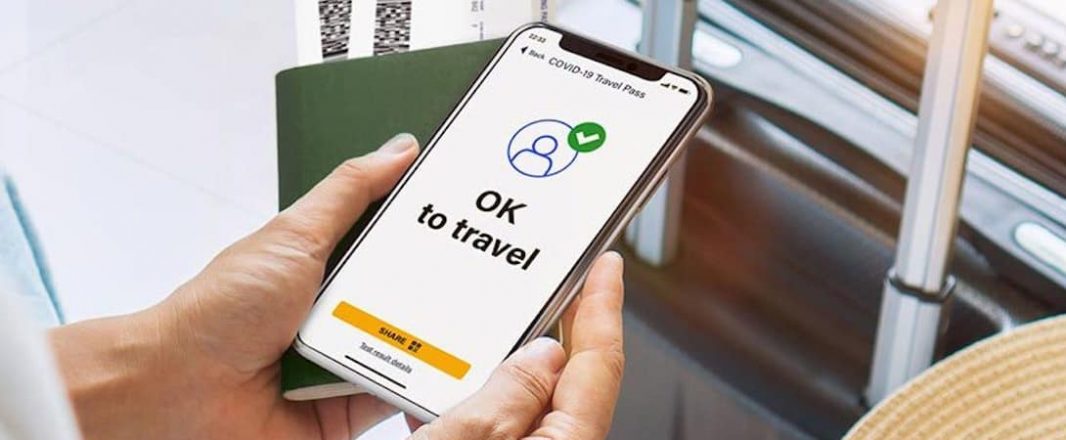
Currently being piloted by more than 20 other airlines and with Singapore accepting it for pre-departure Covid-19 PCR tests from May 1 (the first government to do so), the IATA Travel Pass is a mobile app that helps passengers create digital passports where test and vaccine data can be securely loaded and shared to meet governmental health requirements.
Guests on Saudi can visit a designated laboratory in Malaysia to take a PCR (polymerase chain reaction) test before departing Kuala Lumpur for Jeddah. The test result can then be uploaded on the pass, which they can show to airline staff at check-in and to immigration authorities on arrival in Jeddah as proof of a negative PCR test or vaccination.
Saudi said following the trial, once the IATA Travel Pass is finalised, it will be rolled out across its entire network.
“Saudia is keen to partner with IATA in this innovative digital solution, which will assist in steering industry recovery and facilitating the travel process for all stakeholders, the passenger, the airline, the testing labs and the border authorities,” Saudi chief commercial officer Khalid Albassam commented commented on the trial and partnership with IATA.
“Saudia continues to lead the way in safety measures and ease of travel with electronic solutions, and the IATA Travel Pass partnership is another reinforcement that readiness and usage of contactless methods is the way forward for travel journeys,”
Nick Careen, IATA senior vice president for airport, passenger, cargo and security, added that working with Saudi is “the first step in making regional and international travel during the pandemic as convenient as possible, giving people the confidence that they are meeting Covid-19 government health requirements.”
Narita Airport pilots biometric boarding process
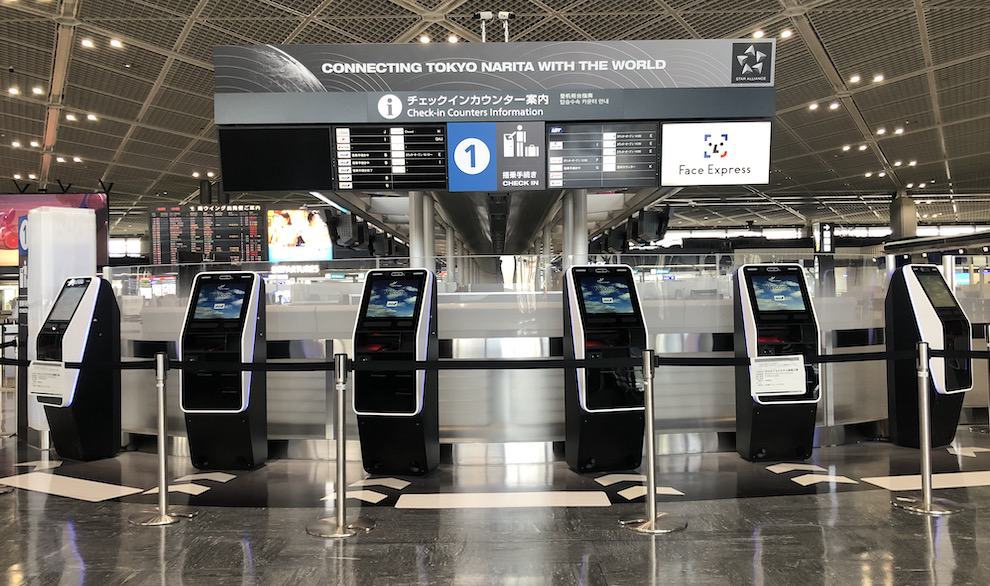
Narita International Airport Corporation is testing biometric technology that uses facial recognition for passengers to check-in and board.
The biometric technology from Amadeus and NEC Corporation removes the need for passengers at Narita Airport to use passports and boarding passes, thus reducing the need for physical interaction – part of the safety protocols during the current pandemic.
Touted as “Japan’s first end-to-end biometric departure process”, passengers check-in at one of the new biometric kiosks where their facial images are captured and verified against their passports. They then proceed to drop their luggage at an auto bag drop (ABD) unit, which is embedded with a camera that automatically recognise them as they approach it.
Passengers’ faces are recognised when they approach the airport’s security e-gates and boarding e-gates, both equipped with cameras that automatically validate their identity and permission to fly.
The new biometric process pioneered at Narita Airport uses the IATA One ID standard. Following successful trials the airport will adopt the technology as the new standard for all international departures.
ICM Airport Technics, an Amadeus company, supplied the kiosks and ABD units fitted with biometric cameras and application software that work in conjunction with NEC’s facial recognition system.
My Guide Network uses Travelport+ to expand and personalise content
The My Guide Network of travel guide websites has inked a technology agreement with Travelport to expand and personalise its content with Travelport+
Announcing this in a statement, Travelport said as part of the agreement My Guide will use Travelport APIs “to access enriched hotel content, powered by Travelport+.”
In turn, My Guide will provide Travelport with real-time availability and pricing on a range of independently owned boutique hotels, adding to the latter’s existing network of multi-sourced content. My Guide uses its network of local experts to visit, review and validate hotels from over 340 brands to ensure quality standards are met.
The recently-launched Travelport+ is an extensive, next-generation platform that creates a simplified, capability-rich, marketplace for travel retailing and is the centrepiece of Travelport’s new global strategy. (Read related article on Travelport+ here).
My Guide will use Travelport+ to personalise hotel content in Latin America and Europe by choosing which properties to feature on its network of more than 120 destination sites.
According to Travelport, through the partnership My Guide can assist consumers to easily search, shop and book an entire trip by destination, complete with accommodations, dining, tours and activity options. The integration with Travelport+ also helps in improving conversion rate.
Mark Wallis, CTO and founder of My Guide Network, said it is among the first brands in Latin America (LATAM) using Travelport+ “to simplify travel retailing and provide travellers with the best possible choices available.” The company is growing its presence across LATAM and expanding its network in Europe.
Jason Toothman, global head of agency sales at Travelport, added the partnership will help My Guide to “further grow its personalised travel retailing model as ‘the Spotify for travel’.”
• Featured image credit: IATA