It’s difficult to think like a technology company after building a successful offline business. Yet there is pressure on local businesses, particularly in the third largest travel sector – tours and activities – to do so, as competition gets tougher and the biggest way to get discovered is through a mobile phone.
Preparing businesses to think this way was one of the main hurdles startup BeMyGuest has faced, in its pursuit of bringing tours and activities suppliers online.
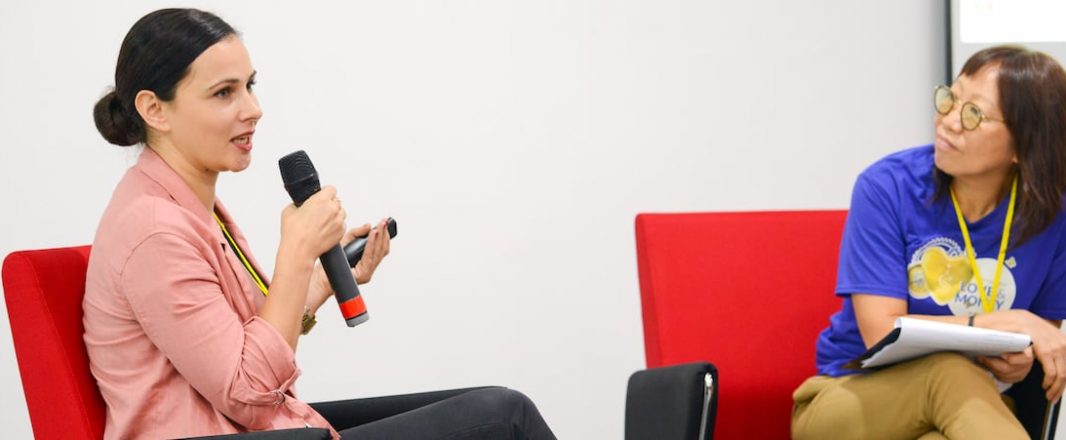
At WiT Indie 2019 in Penang earlier this month, Beatriz Ruiperez, Vice President Operations, BeMyGuest, discussed how the company balances between the fast-paced culture of a technology company, and its more measured approach to working with tours and activities suppliers across markets of varying maturity.
“Suppliers are very offline. The hardest thing to do [in tours and activities] is to change mindsets. If you have an operator who has been running their company for so many years, it’s hard because… a technology company like us has only been around for a few years.”
While on the ground, this process will take time, effort and consistency in working with suppliers; the technology companies in the space are growing at an astronomical rate.
BeMyGuest began six years ago and has closed considerable funding, it joins the ranks of Klook (the most-funded company in the space), FareHarbor (acquired by Booking Holdings) and Bokun (acquired by TripAdvisor)… and competition is only getting more intense.
Ruiperez said that despite the crowding of the space, BeMyGuest’s position as a B2B player has granted it an advantage as it does not require a big marketing spend to compete with B2C players. It allows the company to maintain its focus on working with independent tour operators to attract new customers by building their online businesses.
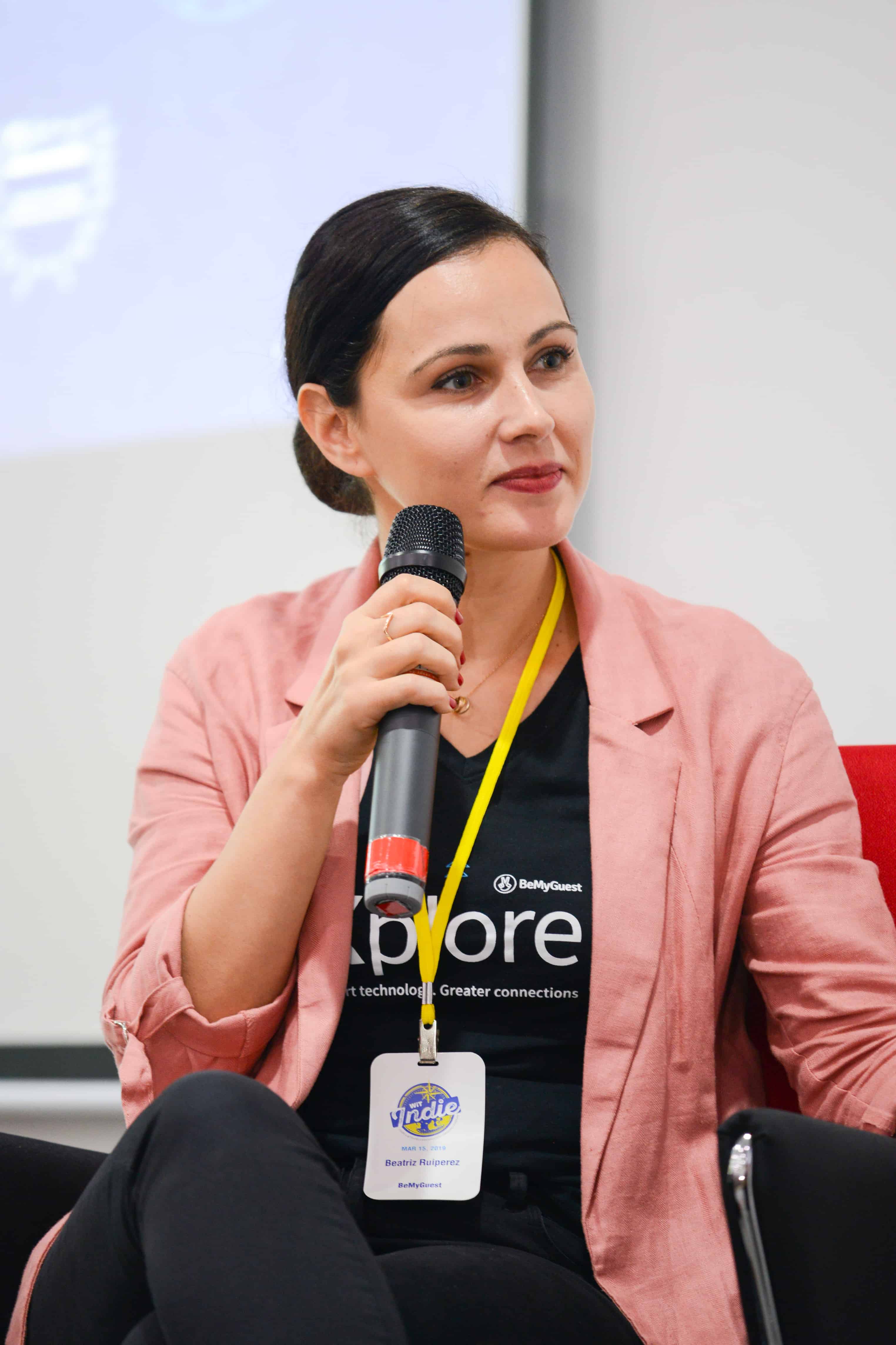 Ruiperez asked WiT Indie’s audience of independent business owners just how often they took a step back to look at broader trends, and adjust their company strategy based on that. She recommended that companies review trends and adapt accordingly at least every six months.
“When we talk about online, trends change all the time… like Google changes [its algorithm] more than 500 times a year, because the customer is constantly changing what they look for and how they look for it.”
She then went on to explain what some of the stronger emerging trends are in the region, when it comes to what factors yield the most bookings in travel.
First and unsurprisingly, instant booking is a guaranteed way to build up booking volume. “Almost half of our bookings are for the same day or next day. The customer is really last minute.” Then, the redemption process for those bookings needs to be kept as simple and convenient as possible – like mobile booking confirmations.
Convenience and being instant is also critical when it comes to payments. In another presentation, founder of Trust My Travel Will Plummer stated that 25% of travellers would abandon a booking if they don’t understand the value of currency at the point of sale.
He advised that suppliers build a realistic understanding of whom the business’ key markets are and their preferred modes of payments, the costs associated with cross-border transactions, and managing currency such as using a guide price or enabling dynamic currency conversions on a website.
While convenience seems to be a common element throughout the region, the market is split when it comes to what type of attractions travellers prefer. Overall, Ruiperez noted that there is strong growing preference for unique products beyond a destination’s major attractions.
In fact, South Koreans show the largest growing preference for unique attractions, growing 284% since 2018. Just behind are Vietnamese travellers with a growth rate of 148% year on year and Indonesia (48%). Meanwhile China (12%) lags farther behind, perhaps because the travel market is significantly younger, so consumers may seek out more well-known and reputable experiences.
Nevertheless, tastes are changing (literally). BeMyGuest’s research also revealed a powerful shift from ‘seeing’ to ‘eat and play’ type attractions – growing 605% year on year. It reflects growing demand for deeper, local experiences that grant travellers with a stronger sense of the culture of where they are.
Ultimately, Ruiperez emphasised that all the opportunity for local, independent businesses are online. While tastes, preferences, search, booking and payments methods might change over time; the first step is to be discoverable in the very space that customers are looking.