
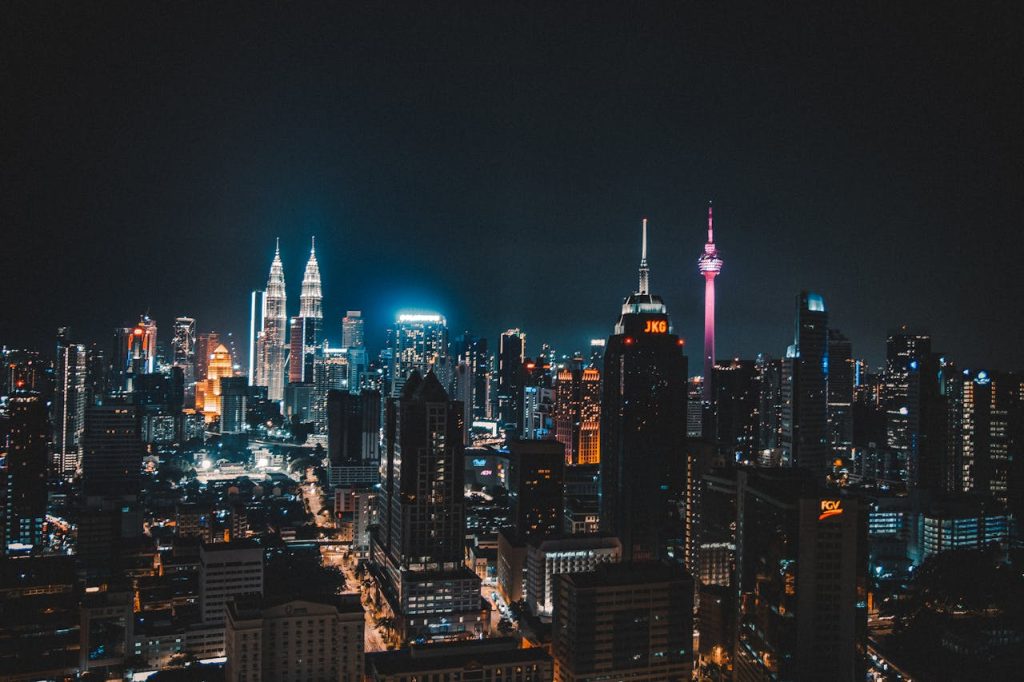
Malaysia is familiar across ASEAN. That is an advantage, but it can also flatten the story: KL skyline, Penang food, Langkawi beach, Genting weekend.
The SocialSeal signal suggests something more useful for travel marketers. ASEAN travellers are not asking whether Malaysia exists on their radar. They are asking whether it fits the trip they want to take next.
As Malaysia heads towards Visit Malaysia 2026, the official numbers show momentum. Bernama reported 42.2 million visitors in 2025, up 11.2% on 2024 and 20.4% above 2019. Tourism Malaysia also reported 28.2 million international visitor arrivals from January to August 2025, up 14.5% year on year, with VM2026 targeting 47 million international visitors.
In partnership with SocialSeal, we looked at Malaysia through social search behaviour across Singapore, Indonesia, Thailand, Brunei, and the Philippines. The ASEAN Demand Signals for Malaysia Travel report analyses top performing TikTok and Instagram search results.
The short version: Malaysia’s ASEAN demand is not generic. Kuala Lumpur, Langkawi, and Penang appear across markets, but each market uses them differently.
One country, five search behaviours
Singapore wants the plan. Singapore is the largest attention pool in the report. The strongest content turns Malaysia into a usable itinerary: 3D2N Penang, KL plus Langkawi, indoor attractions, food lists, and couple or family overlays.
Indonesia wants fit and reassurance. Indonesia’s signal is shaped by halal cues, mosque façades, family-safe activities, budget breakdowns, and city-plus-nature routes. Malaysia works when it feels culturally legible and easy to justify.
Thailand wants food and value first. Thailand is the most food-led market. Roti breakfasts, nasi lemak, 24-hour KL food crawls, Penang trips, and transport-value cues beat broad destination messaging.
Brunei wants proof the short trip is worth it. Brunei behaves like a close-to-home market that still needs planning proof. Cameron Highlands, Genting, Desaru, resort stays, halal-friendly food, and compact 3D2N routes help turn familiarity into action.
The Philippines wants a story worth filming. The Philippines is the most creator-coded. Malaysia shows up through adventure, girls-trip energy, cinematic stays, glamping, mountains, beaches, and creator-led reveals.
That makes a single ASEAN campaign risky. The market is regional, but the intent is local.
‘Food is not just food’ content
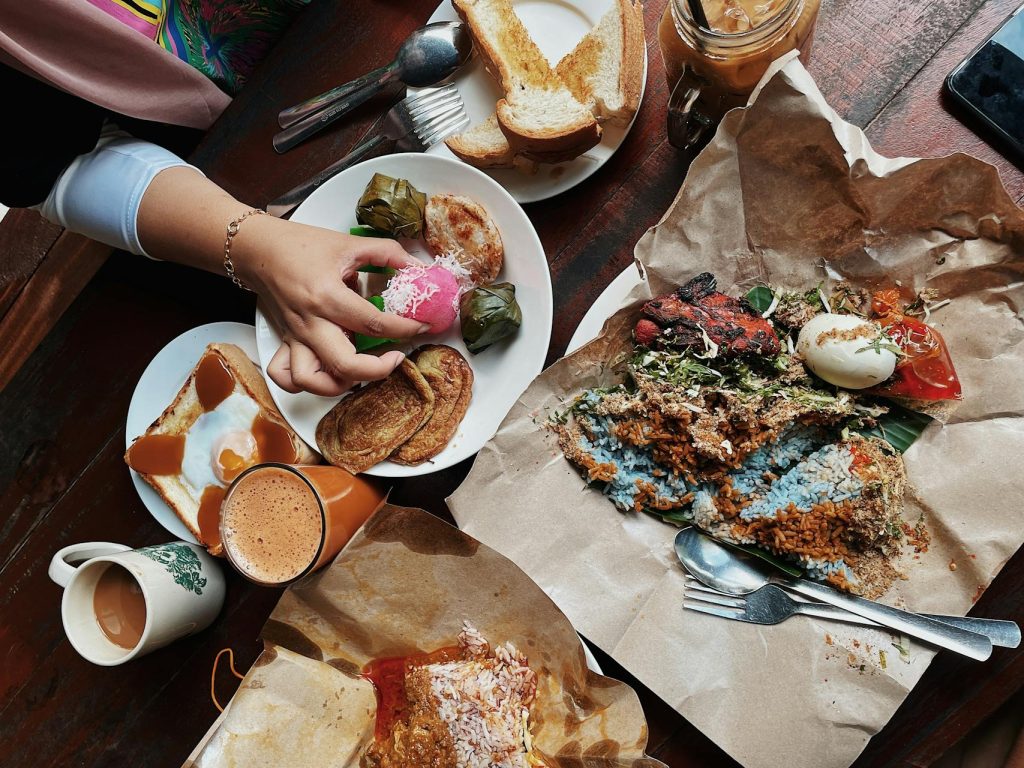
The clearest cross-market signal is food, but not in the usual “Malaysia is a food paradise” sense.
Roti canai, kopi, nasi lemak, teh tarik, night markets, and hotel breakfasts work because they make the trip feel practical. For Singapore, food sits inside an itinerary. For Indonesia, it supports halal confidence. For Thailand, it is often the lead hook. For Brunei, it helps validate a short break. For the Philippines, it becomes part of a “where to eat in KL” vlog.
In social search, the meal is not only inspiration. It is evidence that the trip will work.
Discovery has moved inside the feed
The platform split also matters. TikTok carries short-form vlogs, itinerary clips, food-value hooks, and quick “best places” lists. Instagram does more work for nature, hidden gems, aspirational stays, and visual validation.
These behaviours are closer to planning than passive browsing. A Singapore user saving a 3D2N Penang itinerary is planning. An Indonesian user watching a KL budget breakdown is validating fit. A Thai user engaging with a Bangkok-to-Penang value hook is testing whether the trip feels doable.
Travel content now has to answer a planning question while it entertains.
Local language changes the signal
English can anchor the brand story, but it is not enough everywhere.
The query set points to clear localisation needs: Singapore can be English-led, with Chinese support if you choose; Indonesia needs Bahasa Indonesia first; Thailand needs Thai-first hooks across food, family, friends, and value; Brunei can start in English, but Malay helps close practical travel decisions; and the Philippines is English-led, with Tagalog support where reassurance is needed.
Translation is not the same as localisation. “Malaysia food guide” is not the same as a Thai food-value hook. “Family-friendly Malaysia” is not the same as an Indonesian halal-and-kids itinerary.
What marketers should take from this
Official arrivals show the scale. Social search shows the shape.
Malaysia’s ASEAN opportunity is not simply to be louder. It is to be more useful, more local, and more specific:
- For Singapore, sell the route.
- For Indonesia, prove the fit.
- For Thailand, lead with food and value.
- For Brunei, make the short trip feel worth it.
- For the Philippines, give the trip a story worth filming.
The next layer of demand will come from brands that understand what travellers are really asking in the feed: Can I see myself doing this trip, and can I plan it from here?
Download the full ASEAN Demand Signals for Malaysia Travel report from SocialSeal to see the market-by-market search behaviours, platform signals, and content opportunities behind the data.