In many ways I feel the industry is coming full circle – on one hand, you have the giants of scale talking about local experiences and community and on the other, independents and creatives talking about scale, each knowing you need the other to thrive in a digitally-driven world.
At the recent Hotel Investment Conference (HICAP) Update in Singapore late March, Robert Hecker of Horwath HTL Corporate spoke of the “techtonic” shift happening in hospitality – the increased role and influence of technology in every aspect of the business – and the Airbnb effect, the shift towards alternative accommodation and local experiences.
Yes, there are still some hotel executives who whisper, “I wish they’d stop talking about Airbnb”, but that’d be like putting your head in the sand while someone takes away your sandbox.
When hotel chief executives from brands such as Best Western, Wyndham, Yotel and Artyzen were asked by me during the Industry Leaders Panel at HICAP Update what they could learn from Airbnb, they said, other than great website, local experience, community and culture.
When asked to list the opportunities ahead for the industry, this was what they cited – development of soft brands/white labels, the sharing economy, alternative accommodation, customer-centric approach ideas versus imposing brands with strict standards, enhancing the guest experience and a new generation of travellers seeking experiential stays.
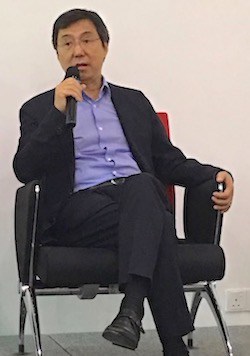
Edmond Ip: Building a new brand around local arts, culture and community.
In a world driven by tech and scale, they know that they have to deliver on-the-ground customer experiences because travellers, with smart devices in their pockets, have more access to the long tail than ever before and if they are not careful, the tail could end up wagging the head.
The career of Edmond Ip, president of Artyzen Hospitality Group, who spoke at both HICAP Update and the inaugural WIT Indie in Penang last week, is a good example of the industry coming full circle.
Ip, who started out in finance at the Hyatt four decades ago, has carved a successful career in global brands – he worked in senior roles with Hyatt, then InterContinental Hotels Group – and leveraged that corporate experience to help create Asian-grown brand Banyan Tree.
Today, he’s responsible for building a new brand around local arts, culture and heritage for Pansy Ho, the daughter of Macau tycoon Stanley Ho, who wants to create the next generation of hotels in Asia. Artyzen operates three brands – Artyzen Hotels & Resorts, Artyzen Habitat and citizenM. It opened two hotels in Beijing and Taipei last year and is set to open a total of four properties across APAC, three of which will be in China.
Hong Kong-born Ip has always had a strong interest in arts and culture and as such, Artyzen is right up his alley and a next natural step in his career. He recognises the changing needs of travellers these days and their desire for different types of spaces and experiences.
And just as hoteliers can learn from Airbnb about how to work with local communities and curating local experiences, he said the tech giant can also learn about security and processes from the hotel industry. “One needs the other,” he said.
At WIT Indie, the new edition of WIT aimed at independents, creatives and digital, one key takeaway is that indie folks may be good at creating products and services but not so in marketing and distribution – and ironically, this is the one area in which they can scale and get their businesses known to more people.
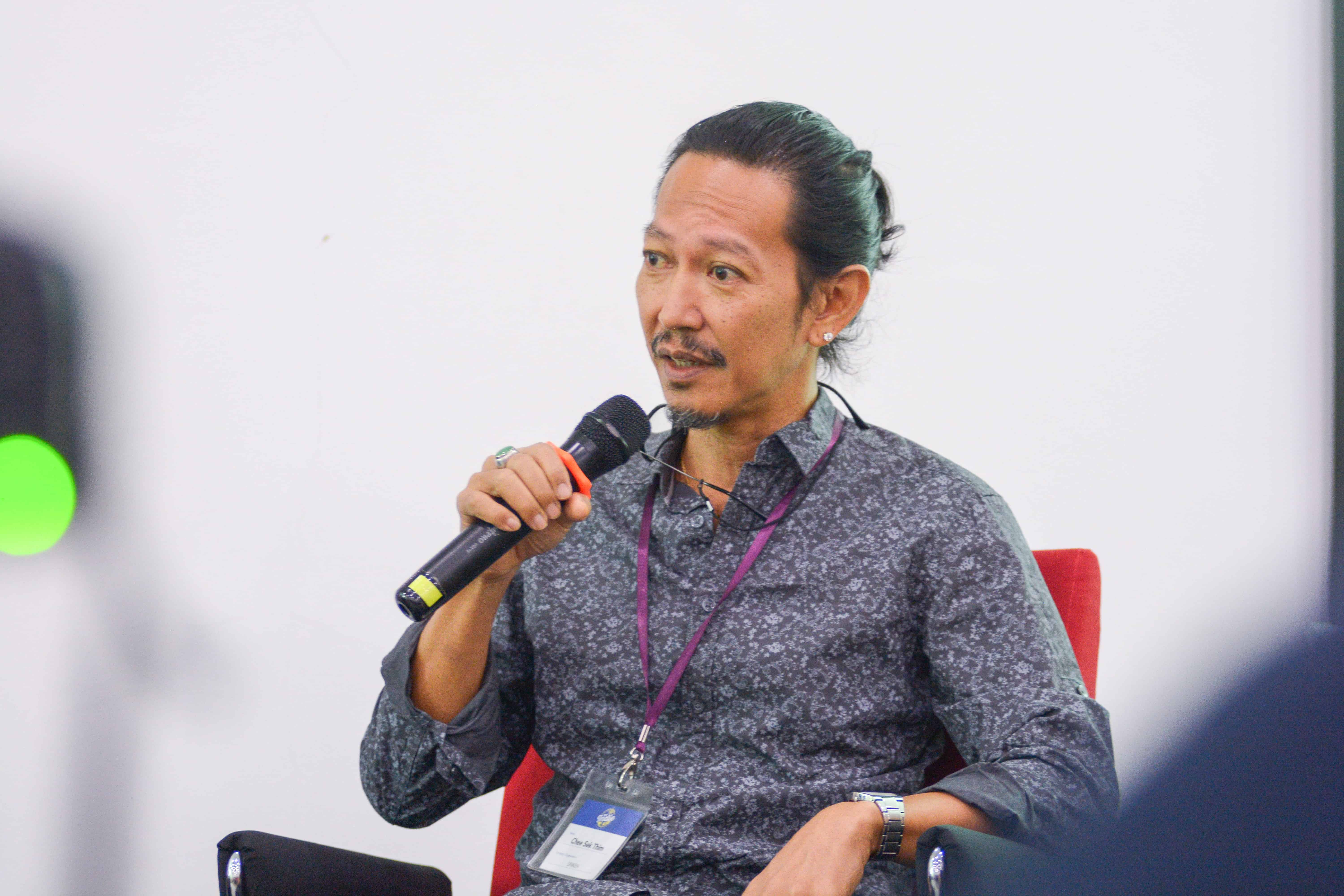
Chee Sek Khim: A love for theatre turned him into a hotelier with Sin Keh.
Penang’s boutique hotel owners such as Chee Sek Thim (Sin Kek) and Low Teng Lei, Ren I Tang, and Amran Ahmed, Ambong-Ambong Rainforest Retreat, Langkawi were driven by passion to build their properties.
Chee, with his theatre background, wanted to create a space for the arts and artists, Low fell in love with an old medicinal hall and Amran wanted to recreate his childhood home in the forest. All three did not think of marketing until after the fact.
Now all three rely on word of mouth and social media to get the word out. Chee, who took almost four years to convert the old shophouse he bought into a hotel, said Airbnb was his most effective distribution channel.
Christine Tan of FASTBOOKING said one common mistake made by boutique hotel owners is that “they spend so much on creating a beautiful product and experience but don’t spend on marketing”.
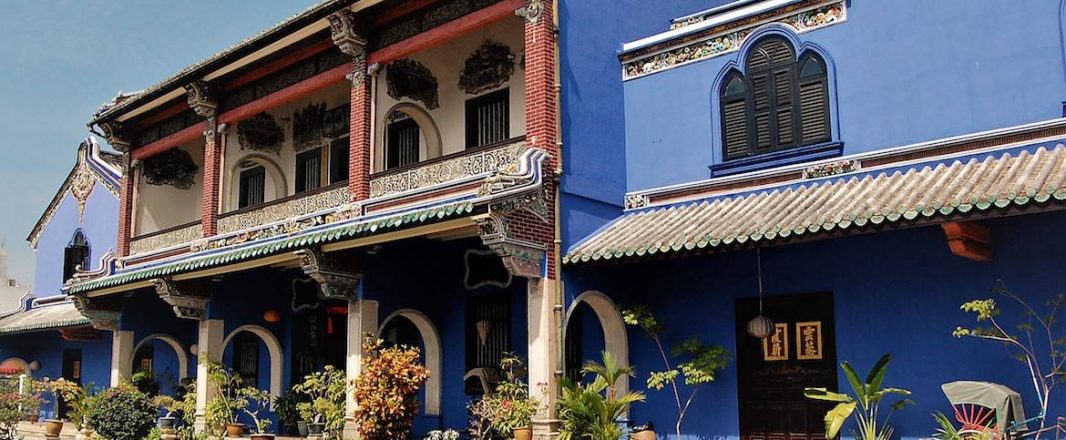
Architect Laurence Loh, founder of the Blue Mansion and pioneer of heritage conservation in Penang, recalled his early days converting Cheong Fatt Tze Mansion almost 20 years ago and the obstacles he faced, before Georgetown was conferred UNESCO World Heritage status.
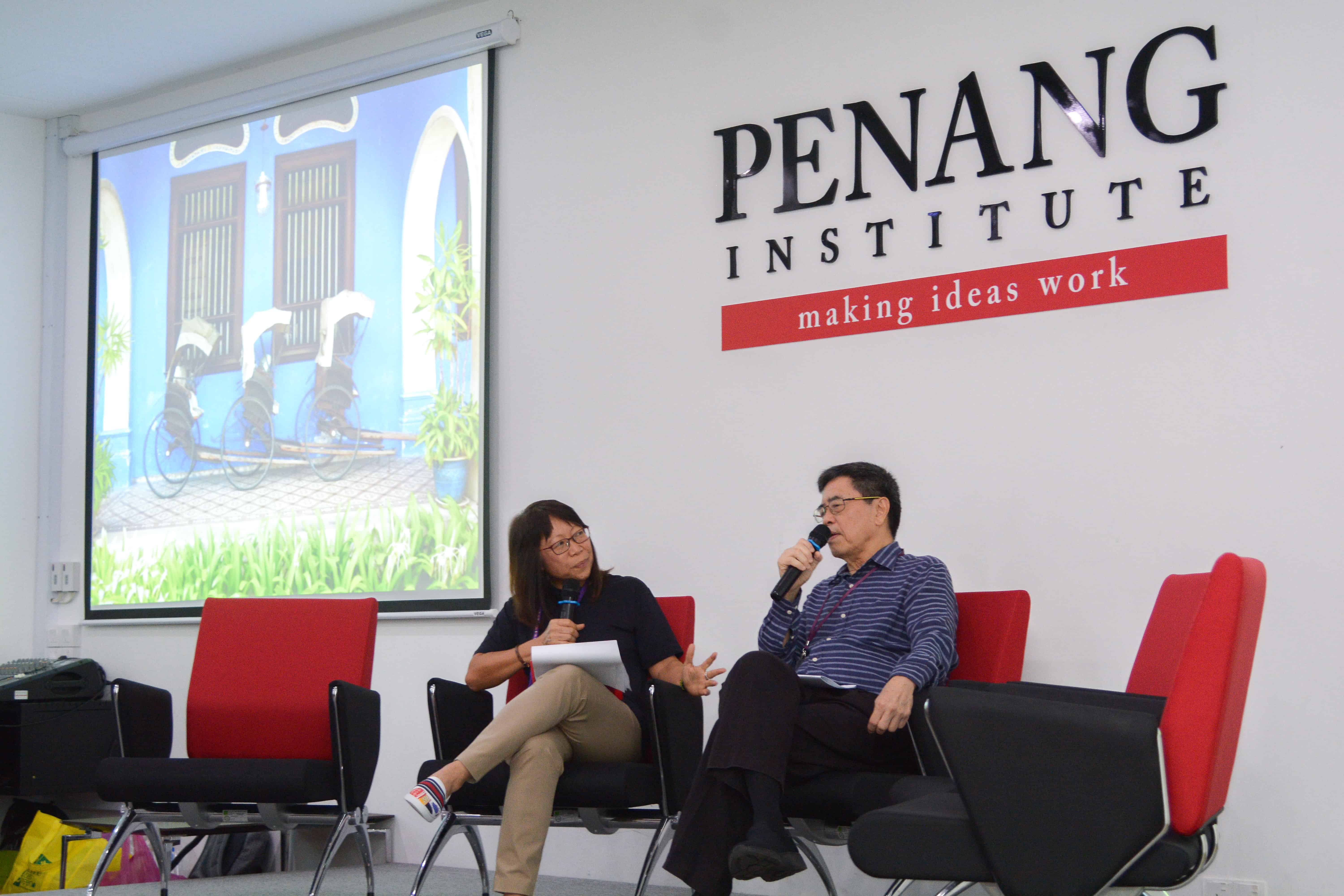
Laurence Loh, founder, Blue Mansion, on how heritage conservation has to be commercially sustainable.
He didn’t think much about marketing back then, preoccupied as he was with conservation and restoration, and now his children are helping with digital marketing efforts. “I leave it to them,” he said.
Loh, a proponent of how conservation projects have to be commercially sustainable, spoke about how the Blue Mansion tours (which went from three times a week to thrice daily) were a key element in helping word-of-mouth as well as providing ancillary revenues for the hotel.
Chris Ong, founder of Georgetown Heritage Hotels, says it’s hard to deny the power of the OTAs and the best thing is to work with them but create your own voice through stories and experiences through his products. The best thing about technology, he says, is data storage and archives. “You can keep all your rubbish up there,” he quips.
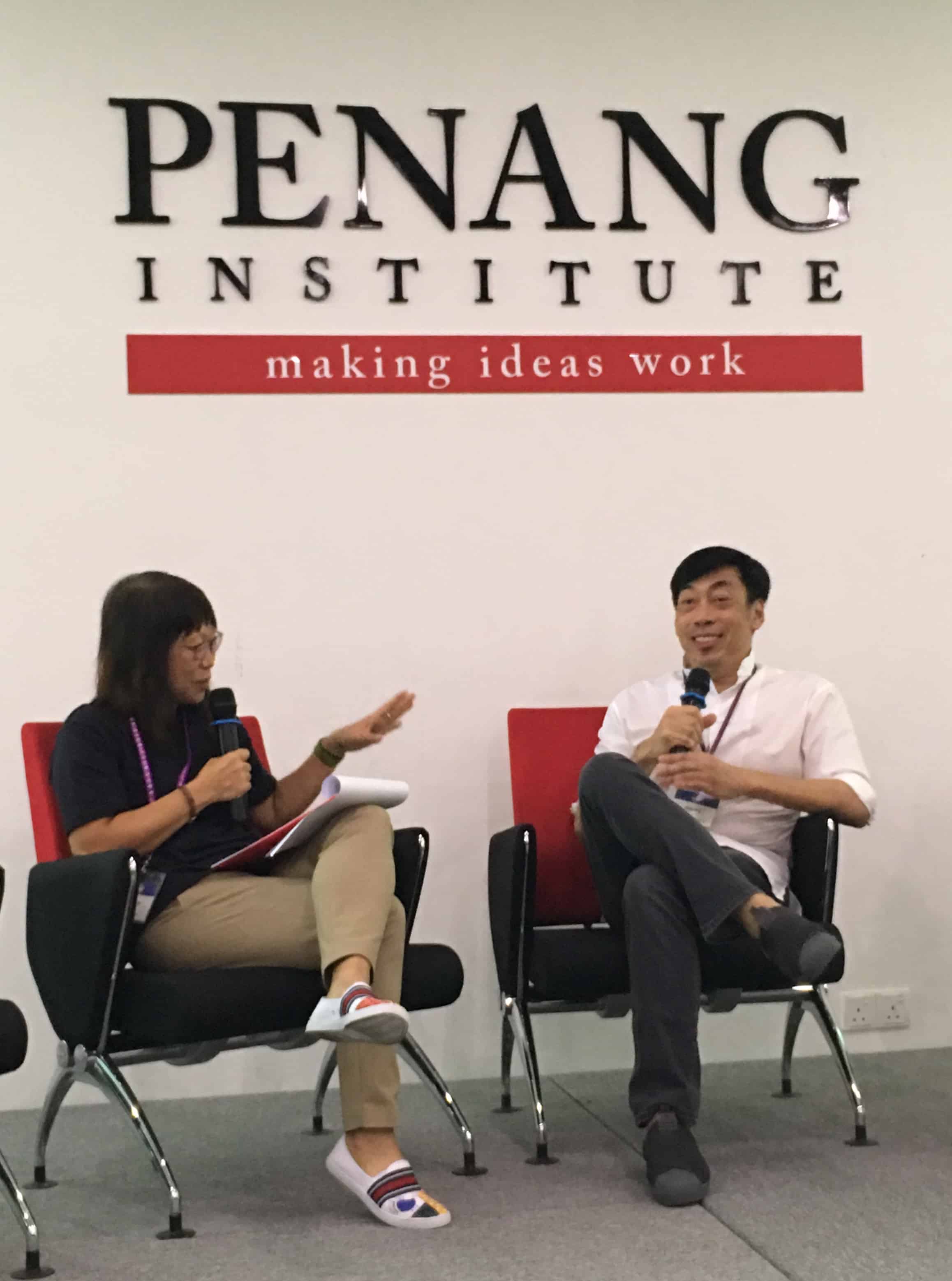
Chris Ong: “I came, I saw, I restored.”
He tells stories through videos and although he says he finds videos hard to measure in terms of conversions, he’s quite happy working with artisans, whose trades are disappearing, and telling their stories. His newest employee is a 72-year-old artisan. “This is his first job,” he told me.
Ong, who says he wants his epitaph to be “I came, I saw, I restored”, is a passionate entrepreneur whose love for Peranakan culture can be seen in his collection of hotels and residences.
With local experiences the hot button topic in the industry, ground operators, who have been at it for decades offering itineraries and trips for their customers, are watching masters of scale such as Airbnb with a mixture of trepidation and awe.
Sriram Vaidhya, Head, Trips for South-east Asia and India, Airbnb spoke about how in 18 months, it now has 100 experiences and how it intends to grow to 5,000 experiences in 60 markets soon, and how it was now opening submissions for Penang.
Robert Basiuk of Borneo Adventure Tours remarked about how ironic it was that everything they’d been speaking about for 30 years has now become fashionable.
With its best-selling tours around nature, the ape sanctuary and local communities in Sarawak, Basiuk said, “We’ve always been selling local tours & activities around nature, culture and community and it is good companies like Airbnb are promoting these aspects because it makes for better travellers.”
But at the same time, he can’t help but fear them. “It’s on another level, their scale, and we have no choice but to adapt and get smarter at marketing.”
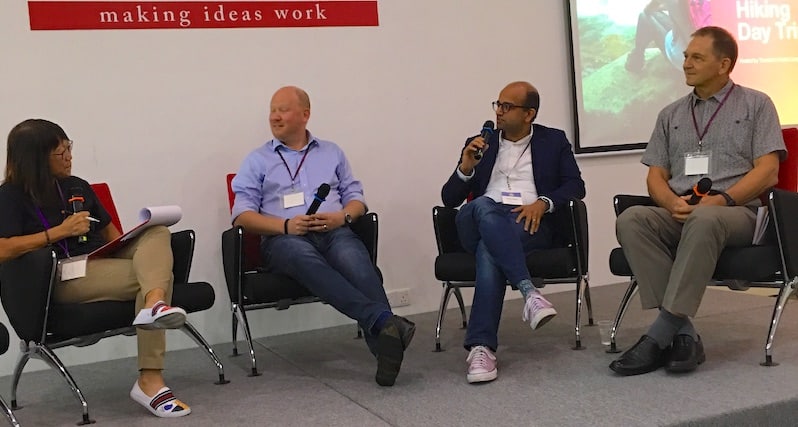
From right, Robert Basiuk, Borneo Adventure, Sriram Vaidhya, Trips, Airbnb Trips, and Graham Hills, BeMyGuest
One thing was clear at WIT Indie – the tools and platforms are there, it is up to individuals to be resourceful and creative.
The digital economy has produced entrepreneurs like William Khor, a medical doctor, who found that renting his shophouse on Airbnb allowed him to lead a more balanced life between work and travel.
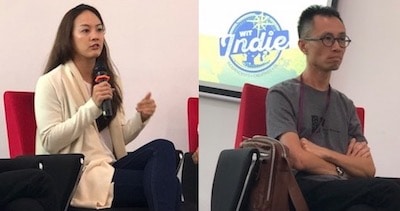
Germaine Yeap (left) clearly punches above her weight in social influencing while artist Ch’ng Kiah Kean shares his work through the global community of Urban Sketchers.
Penang artist, Ch’ng Kiah Kiean, known for his sketches of buildings and landscapes, has been able to tap into the global community of Urban Sketchers (120,000 strong) to turn a hobby into a lifestyle business where he travels to run art workshops around the world.
Germaine Yeap, whose 2013 Muay Thai video showing her defending herself against snatch thieves went viral with 30 million views, had to hire an agent and is now an Action Actress paid to endorse products as well as perform Thai boxing in different settings. The former banker used social media successfully to tell her story and build her profile as told in this Youtube video.
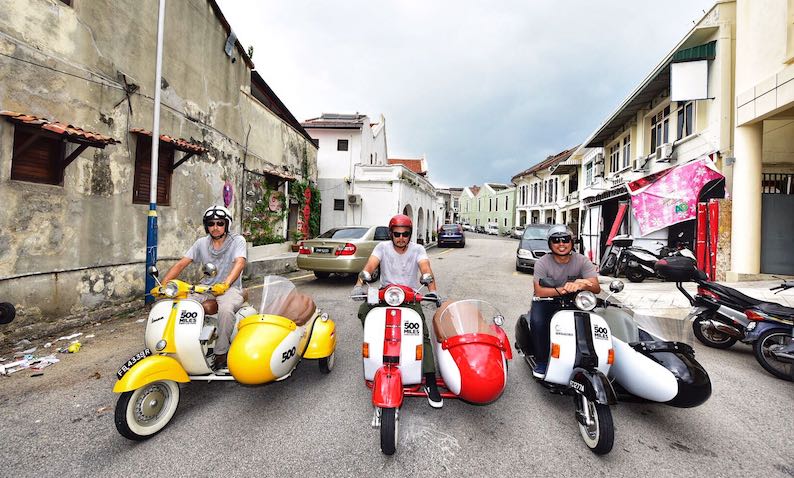
Simon Wong, who offers sidecar tours in Singapore, with Triquetra.sg, believes that in the digital economy, you can create an illusion of scale. “Just do it till people believe it,” he said.
What this means is that, small has to think and act big while big has to think and act small. Where the two worlds meet is where magic happens.