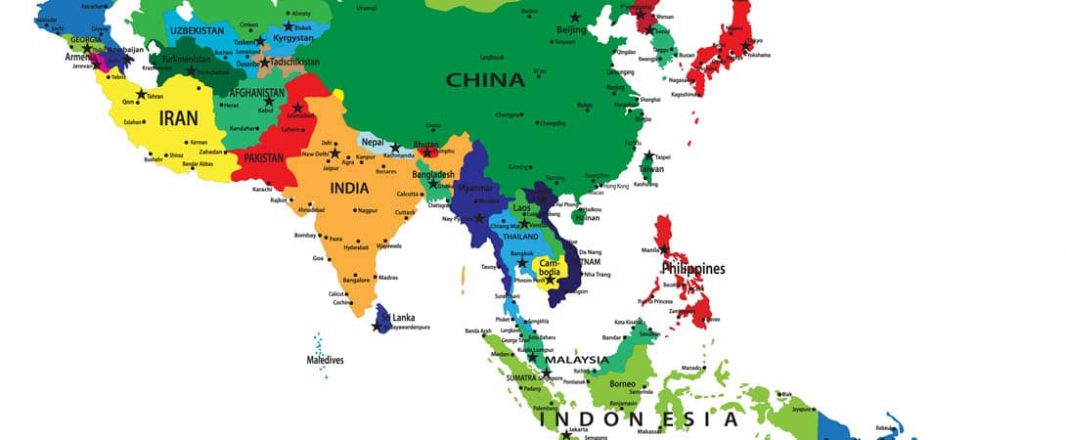
Localization of content. Asia is like Europe, the customers are very different across all the different countries.
To inform us how the customers differ between the Philippines, Korea and Indonesia, we talked with our expert panel consisting of Leo Choi, Director of Sales & Marketing for www.hotelnjoy.com and www.koreahotel.com in Korea, Kathleen Tan, Regional Commercial Head of Air Asia who discussed the Indonesian market and Julius Buenconsejo from BidTraveller in the Philippines.
When localizing content for the following countries, this is what you need to know:
 Indonesia:
Wireless connectivity has exploded in the last few years, thanks to the massive penetration of BlackBerry smartphones, and has awoken the once dormant market. This has propelled forward a lot of innovation in the marketplace. Even though Indonesia has had 7 LCCs for a few years, until very recently, there was no online booking system available.
Air Asia has helped change the online travel market in Indonesia, capitalizing on a net and mobile savvy customer that is very hungry to travel. Air Asia’s policy of going straight to the customer and not going through agents who work on commission was initially not greeted favorably. But with perseverance and a lot of marketing to educate the consumer, as well as the government, Air Asia’s online business has boomed. Customers have realized that the advantage of booking online is that they are guaranteed the lowest fares, which is a promise that talks to any customer. And this promise has enabled Air Asia to sell 80% of its seats via www.airasia.com
In the past six months, Air Asia has managed to get 200,000 Facebook fans in Indonesia. And just a few days ago, it launched the new BlackBerry app which has already had a tremendous response.
 Korea:
Korea, like Japan, used to be in the forefront of mobile technology, however, in the last few years they’re not at the cutting edge any longer. Nevertheless, smartphone penetration is at 50% and is expected to go up rapidly over the next two years.
The Korean customer is IT savvy and is always looking for something new and fun. Moreover, the expectation is that mobile and website content is to be the same.
Korea has a fairly closed market, which makes it hard for foreigners to penetrate into the market. Facebook, Google and Twitter have only recently become popular.
The local market is largely an outbound market, which was traditionally focused on groups. However, the shift today has been from package tours to FIT.
 Philippines:
Mobile penetration has gone from 0% to 5% in the last year and huge growth is expected in the coming years, increasing to 15% penetration by 2012. Social media is all the craze especially with the younger, tech savvy generation. And mobile applications are crucial, given that each Filipino has a minimum of three phones.
Budget travelers, aged between 18-26 are a rapidly growing segment and are very fond of traveling.
The domestic market is very large, actually bigger than the inbound market. Hong Kong used to be the main outbound market, however Singapore has recently become the hot outbound destination.