
If there is one clear message I took away from hosting Day 1 of WiT Experience Week today, September 28, it is that every one of us is doing all we can to survive this Covid-19 storm but our fortunes (or misfortunes) lie in the hands of governments.
When asked the question in our audience polling, “What do we as an industry have to do to ensure we get as many people as we can through this?”, more than half said “lobby governments to act” and just under half said “get our collective act together first”.
The sentiment was the same whether in Europe or Asia – the road to recovery is messy but the messiest bits are the lack of coordination at the government and industry level, not to mention the political and trade storm brewing between the US and China and the general state of world leadership which was called out a couple of times in the day.
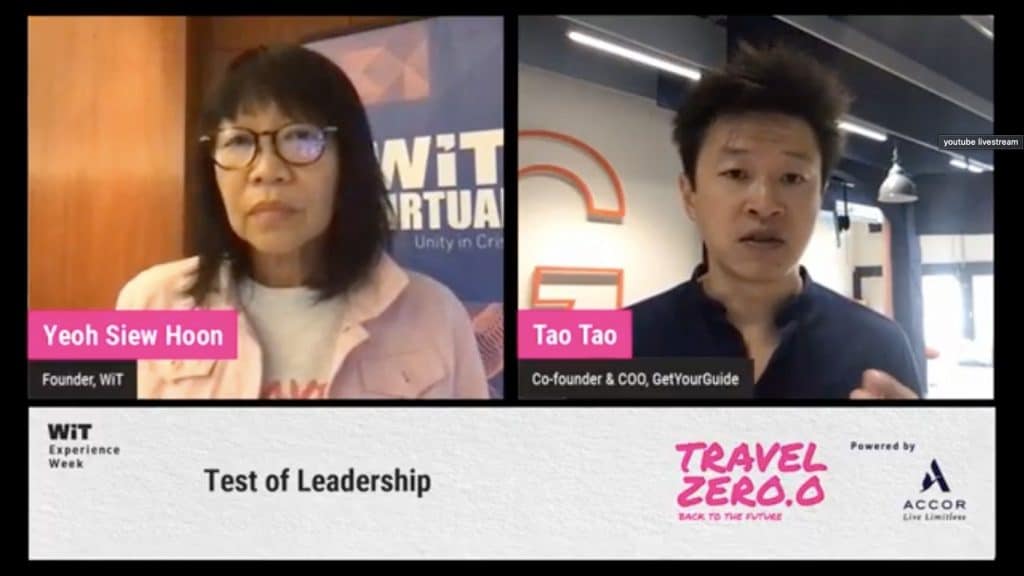
Tao Tao, COO and co-founder of GetYourGuide, who opened the event said there were lights of recovery in the European market but called it “very messy”.
His 10-year-old company has taken all the right moves to survive – cut costs, conserve cash, engage with customers differently and directly (to become less reliant on parties such as Google with which it and other German OTAs are having a running battle), invested in product and tech, not sacrificing the long term purpose by going after short-term goals – but the truth is, it will be hard if it remains messy.
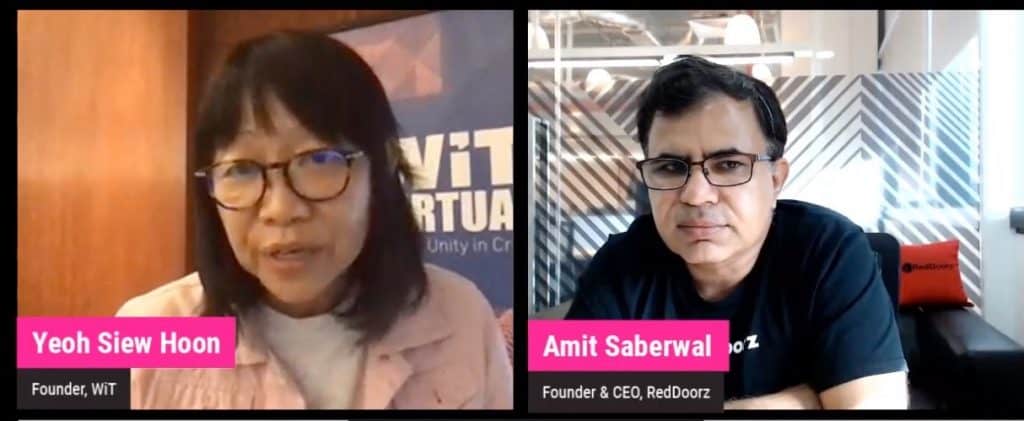
Amit Saberwal, CEO and founder of RedDoorz, whose company has also managed to pull through so far and even managed to reinstate salary cuts in July, said that was what was making him uneasiest about the situation – that there are so many factors outside travel’s control.
He said that companies can only do so much but unless borders open and people can travel again, it would be hard to outlast the pandemic. And even though his business has been less impacted to date – since it has strong domestic business in markets such as Indonesia – the reality is markets such as Vietnam and Singapore are reliant on inbound tourism.
Anchalika Kijkanakorn of AKARYN Hotel Group, Thailand, said it had been a rough six months – out of her six hotels, three are open – and admitted that if borders do not open this October/November for places like Phuket where she has a hotel, “it will not be good”.
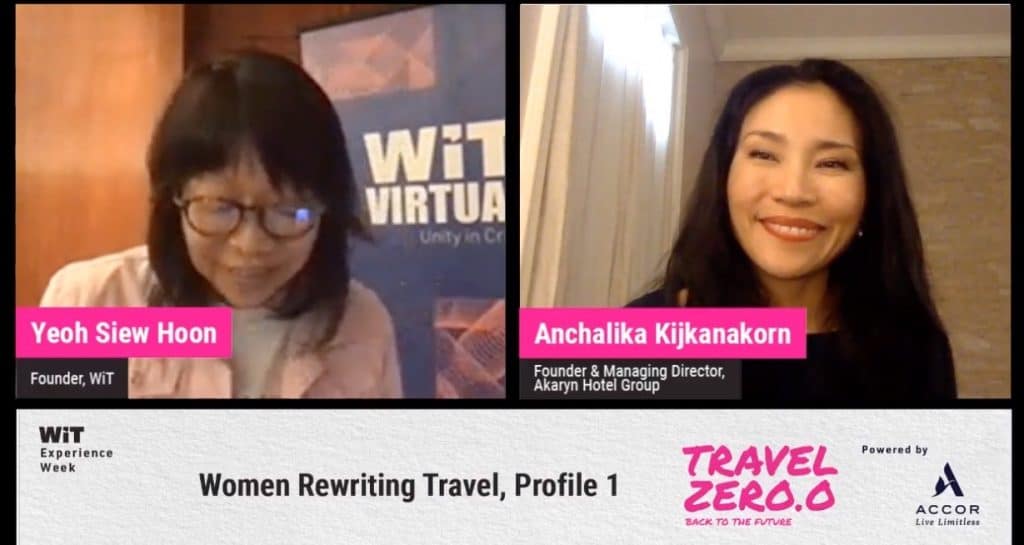
She said this was a crisis that was out of the industry’s control and it was through no one’s fault that travel had stopped, and she said it was imperative for governments to act. The long-term visa process that Thailand has introduced was too complicated, observed Stephanie Chai of LUXE Nomad, saying it was a 21- or 22-step process.
Stories of agility, smarts and resilience
The other takeaway I got was how amazingly agile, smart and resilient our industry colleagues are – in the three hours of “Rewind”, I heard so many brave stories of survival, courage and fortitude and it left me with such a sense of pride in our comrades-in-arms’ ability to execute at speed.
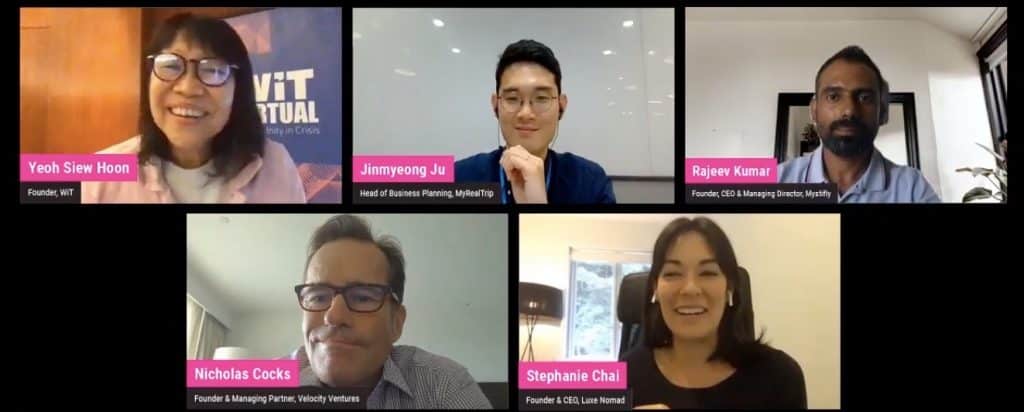
South Korea’s MyRealTrip manage to raise US$36m in July to stave off a life-or-death moment by convincing investors of three things – Koreans will travel again, domestic business will provide good cash flow and it is the right company to outlast this crisis, said Jinmyung Ju, head of business planning. The company scaled from 600 domestic products to 10,000 and has seen business grow 10-fold.
Mystifly’s founder and CEO Rajeev Kumar said it wasn’t just about raising funds, but also raising enough to last. It raised US$3.3m a couple of months ago. With air business battered, it’s taking the time to fix product and strengthen itself for recovery. “You have to be resilient,” said Kumar.
Chai of LUXE Nomad said she managed to raise funds from existing investors who knew the business well and believed in the company’s mission of becoming “the Starwood of vacation rentals”. She sees opportunities for acquisitions at this time, and is also seeing a trend towards longer stays such as three-month villa stays in Bali.
She remains positive and in fact, is using this time to re-balance her life and work. “I used to work six days a week,” she said. “I am going to be reviewing our work policies to have better balance.”
In Vietnam, TMG Group, which was largely all about inbound travel, went totally domestic and Tran Trong Kien, chairman, dispelled the notion that Vietnam’s domestic market was small, saying it accounted for 20m travellers, and with Vietnamese unable to travel abroad, it would grow further.
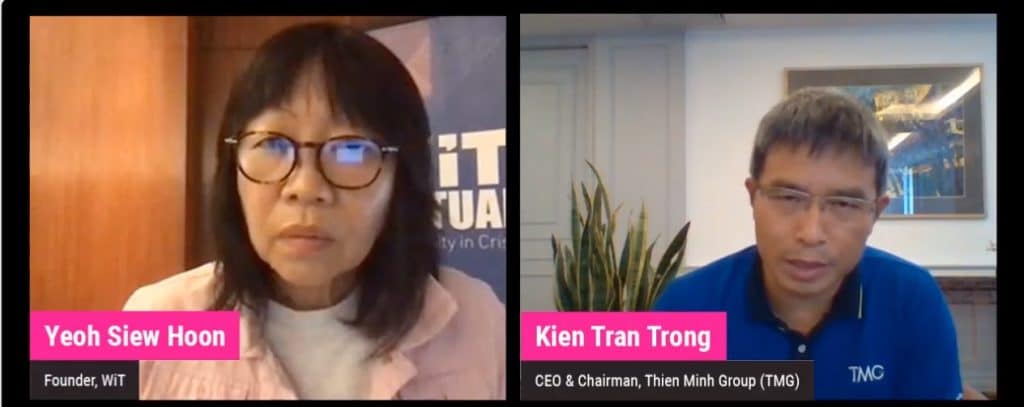
And even when inbound travel resumes, he said the group would stick to its local market. This period had forced it to diversify and created a stronger company that could both cater to domestic and inbound business. Plus with the acceleration of online behaviour in Vietnam, his IVUVU business was in strong position to hold onto its 20% market share.
Even in Saudi Arabia, which really did not have a domestic leisure tourism industry to start with, Seera Group had record months for July and August, thanks to the intense work it did building up its domestic infrastructure. It connected with tour operators, increased hotel inventory in Saudi, connected with local SMEs, created its own experiences as well as offer other people’s products such as Silver Spirit, which ran the first luxury cruise on the Red Sea.
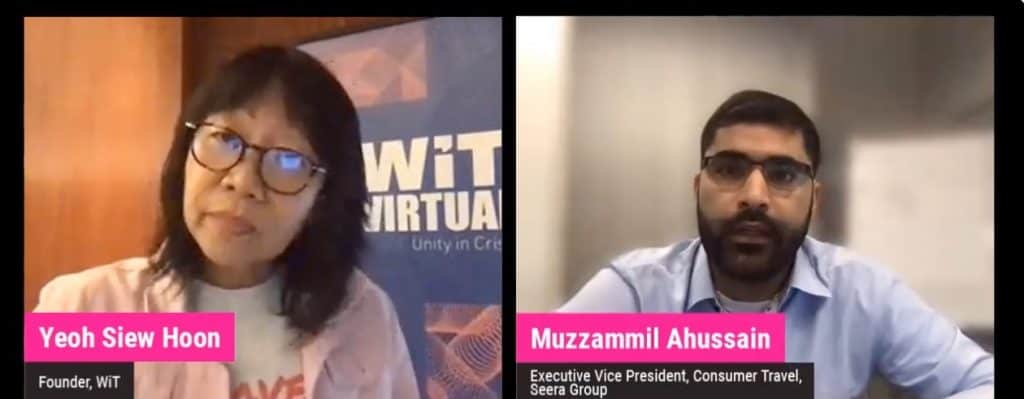
Muzzammil Ahussain, executive vice president, consumer travel of
Seera Group, said this bodes well for the future – it builds up stronger infrastructure for international travellers, it opens Seera to new audiences. Indeed, you could see it as a test run for international visitors so that when borders open, Saudi Arabia would be ready.
Scrappier, fitter, stronger domestic businesses will emerge
And that was the third message I got – when we get out of this, we will have a scrappier, fitter industry as well as a much stronger domestic travel industry across Asia. Even in Singapore, a budding domestic travel market is being shaped – of course, it can never compensate for the loss in international travel but right now, if you can get crumbs, you’d better get them.

In Taiwan, where the problem is over-crowding of popular tourism places on weekends, Gina Tsai, head of government and legal affairs for MyTaiwanTour, said travel agencies were trying to create higher end quality experiences and products for Taiwanese, as well as spread visitation over the week.
The challenge is, this is a market of 17 million outbound travellers and when they can’t travel overseas, there are few places to holiday at home. Tsai cited an island with a population of 2,000 that got inundated with 60,000 visitors over one weekend in July.
Booking.com skews towards domestic and alternative accommodations, and the part it plays in getting travel restarted
This domestic world we are living in is clearly reflected in Booking.com’s numbers when Angel Llull Mancas, vice president and managing director, Asia Pacific said that domestic room nights represented over 70% of its newly booked room nights in both Q2 2020 and July 2020. This compares with 45% in 2019. And in Q2, alternative accommodations represented about 40% of all new bookings in the quarter, representing another clear trend forward.
Mancas said Booking.com also had to make a rapid and massive shift towards domestic markets – it scaled on ryokan content in Japan and got into alternative payments in markets like South Korea and Indonesia, as examples.
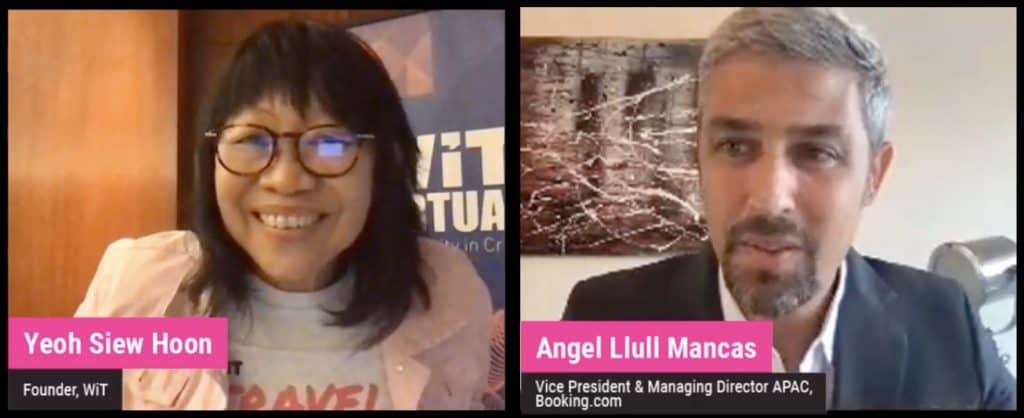
Plus it’s also taking bets on other forms of customer acquisitions with platforms that also drive demand for travel. He said it had seen big wins with brands like Shopback, Grab and LINE, companies that really know the domestic markets as well as Asia.
For global brands such as Booking.com, this period has certainly accelerated their localisation and as a result, they will become stronger local businesses in a fragmented region such as Asia when this thing blows over.
The question is, when will it blow over? When asked what part Booking.com can play in getting travel restarted, Mancas said there were two ways – one, to help convert consumer trust by making sure the platform explains the health protocols and having the right search filters skewed towards health and two, “all the players have to act together, we have to be transparent about which corridors will be open and how can players jump in”.
“We are ready to participate and help as much as we can.”
Personally, he said the past few weeks have been the toughest with Booking.com having to close five offices and cut 25% of its workforce “through no fault of their own”. On the flip side, he’s spent a lot of time building LEGO sets with his kids at home and “that’s been the best time”, as he showed off a Star Wars’ Millennium Falcon set built out of 7,000 pieces
And that’s the fourth takeaway from Day 1 of WiT Experience Week – everyone of us is doing the best we can to survive this and everyone of us seems to be getting something positive, personally, out of this, and everyone wants travel to come out of this, better.
When asked for three words to describe Travel 2025, GetYourGuide’s Tao Tao said, “Sustainable, richer (not in wealth but in experience), and free.”
And the words from those in the audience included diverse, meaningful, share, love, connected …
Thumbs up to all that. Onto Day 2: Reboot.