 Today’s panel, consisting of Paul Kerr, CEO of Small Luxury Hotels of the World, Brian Yim, Editor of Millionaire Asia, Andrew Dixon, Owner of Nikoi Island & Bawah Island, Indonesia and Kevin May, Editor of TNooz sat down with Siew Hoon to discuss the new image of luxury.
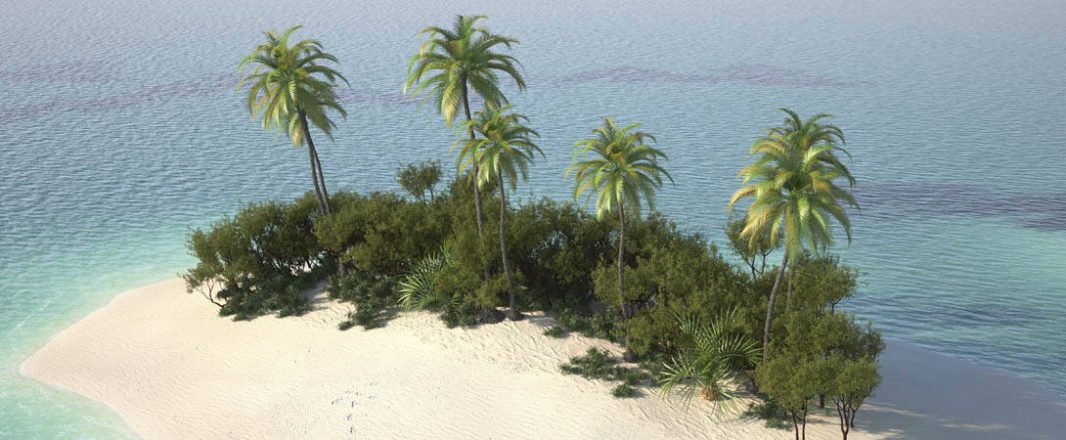
One of the new concepts in luxury is the concept of luxury with an environmental angle. Nikoi Island, a private island in Indonesia, not too far away from Singapore, targets the rich and green traveler. And with 90% occupancy and 95% of their clients coming from online, it seems like they have found their niche in the luxury market of responsible tourism. Their success with direct bookings can be attributed to a successful social media strategy on Facebook and TripAdvisor – almost 30% of its bookings come through the travel review site, said Dixon.
How does one reach the luxury market and what role does the web play in reaching out to this well heeled traveler? For Small Luxury Hotels of the World (SLH), 25% of all their bookings come from online. Out of the 95,000 Club Members that they have, 40% of those book through the web. It is obvious, the internet is a very important tool for their bookings. Besides, like many other hotels, SLH is trying to get more customers to book directly through them and not via an OTA, thus they are finding new and innovative ways of servicing the customer.
 Nevertheless, Kerr also mentions that the technology usage is still in its infancy. Although social media is very important for SLH, in the whole scheme of things the 40,000 app downloads that they’ve had is not a significant number yet, compared to the overall number of room nights booked per year.
Luxury markets, at least in Asia, are booming. Which three luxury markets should one invest in then? China, of course, is no surprise. With 450,000 millionaires, which are defined as someone that has at least $1 million USD in liquid assets, cannot be ignored. The number of millionaires is projected to shoot up to 800,000 in the next 4 years. India, is also no surprise. It currently has 108,000 official millionaires. Although, it is expected that there are several more millionaires that are not being accounted for in this market, so without a doubt, the total number is much higher. And then there is South-East Asia. As an example, Singapore has the highest concentration of millionaires per capita in the world. Indonesia and Vietnam also have huge potential.
 With so many millionaires in the region, how does one reach out to them? Brian Yim from Millionaire Asia told us that this group of rich and ultra-rich individuals is not the easiest to reach. Typically, they’re between the ages of 40-60, and although internet competent, they’re not considered as internet savvy.
 Besides, they have an army of people that will supply them with information, people that are pushing products and solutions for them. It is their personal assistants who do the contextual search for them, that perform the function of travel agent. Thus you have to go through a whole range of people before you arrive to the ‘millionaire’!
In contrast, the more hands-on luxury traveler today is searching in a different way, says Kevin May from TNooz. They’re taking more time to browse through particular websites, they’re more discerning, are asking more questions and are armed with information. It can be said that they know exactly what they want.
So when catering to this category, customization is crucial. A new development is also the use of mobile technology to improve the customer experience, such as servicing the clientele once they’re in the hotel, using apps for opening the door to their hotel room, concierge services and of course post-visit follow-up.
 There is also an interesting trend occurring where people opt to fly with LCC, and as such by spending less on air they can effectively spend more on hotels. This behavior has been observed in North America and Europe for quite some time, and is now catching up in Asia as well. That is why you can sometimes see joint branding exercises between LCCs and luxury hotels.
Yet for the super affluent, this is unlikely to become a trend. For them, the air component is such a small portion of the total price, that they’re really not that interested in budget air travel.
What it boils down to is that luxury is still being defined. For some it’s going back to basics. For some the outlandish spending and servicing has never stopped. What is crucial is that the sense of luxury has to come across on search, on the customers online experience, on mobile, the servicing of customers during their stay, and lastly not forgetting to carry on the experience once they’ve left.
Featured image credit (aerial view of caribbeanl desert island): Ockra/iStock