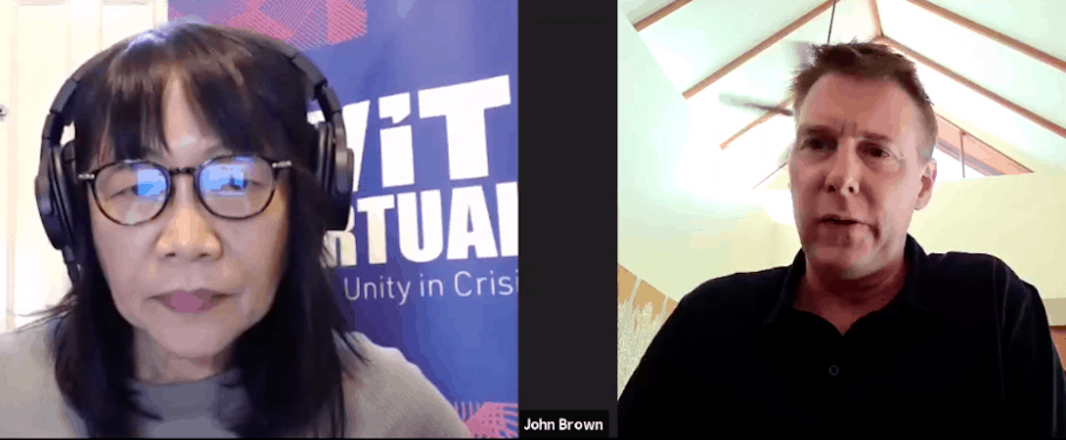
John Brown, CEO, Agoda was interviewed by Yeoh Siew Hoon, founder, WiT during the WiT Virtual Summit on June 24. Here are the key takeaways:
On his first trip since the pandemic
“I am in Koh Samui … it’s been way too long and it feels great. It really feels like you’re travelling back in time. Because it is empty. We went out to a national Park today. There were no other boats. I feel like you’re going back to Thailand the way that it was, you know, 30 or 40 years ago. It’s wonderful.”
Which markets will recover the fastest, and which the slowest?
“The ones we see really recovering very nicely are Taiwan, Korea, Thailand and Vietnam – in all four of those markets, at least for us, domestic tourism is already back almost to where it was in 2019. So it’s a real credit to the governments in those places to control the virus as quickly and as effectively as they have.
“Singapore is definitely lagging. India is lagging and frankly, I think the US even though it’s certainly not lagging right now, I think the US will have problems with the virus if people can read in the news. So I think they may go through another dip before they come out of it.”
The end of urban tourism for a while?
“I think cities will come back. But that’s going to be more dependent on international travel. And international travel will come back really once we have airlines that can fly. And that’s almost certainly predicated upon having a vaccine so I do think that city travel will come back just a little bit more slowly.”
New products to spark travel, new ideas to spread out tourism
Products like GoLocal and Easy Cancel – “those are things that we rolled out literally in record time. We are also working very closely with the Tourism Authority of Thailand, and also with other authorities in our markets here – what can we do to get travellers out there even more?
“That’s an important thing going forward – people don’t just need to go to the same three destinations. You know, in the old days when it was a travel agent on the corner, they had the three packages and you picked one of three. But these days with a platform like Agoda, having hotels in all 76 provinces in Thailand and having a lot of AI behind it that helps you find the things that are going to be right for you, it’s a great opportunity for people just to get out.”
What does OTA Zero.O look like?
“It’s getting back to the basics – really making sure you’ve got all the properties you need, not just in those couple of destinations, but all over. It’s making sure you’ve got some inventory, you’ve got to make sure you have the right price and what was the right price three months ago, is no longer the right price. You really have to take a look at what kind of customers are travelling now? What are their budgets? Where do they want to go? … The similarity is you just have to always keep the customer in mind, and the customer just looks somewhat different now than they did a few months ago. But it’s still the same service we provide, we just have to make sure we stay very close to their intent, to their price point, and deliver and deliver fast.”
Tech trends to watch
“E-commerce the two year pull forward – mobile is an old story, but since Covid, we see our number of mobile bookings going up even that much more quickly. So making sure that mobile app is where it needs to be, understanding the people are going to be booking with very short lead times. Understanding that people want flexibility. That’s absolutely, absolutely critical.
“(Data) – because we’ve had so many millions of travellers over the years here in Asia, we do have great data. And so to answer the question – if a Thai person is no longer going to go to Japan, well, can you help that person figure out where they should go?”
Let’s tackle rate discipline together
“One bad habit (OTAs) should discard would be talking rate. (That also applies to hotels). That rate discipline is something that’s gotten out of control … there are wholesale rates everywhere. It’s not just an OTA problem. It’s also, frankly, a hotel problem. We can work together to make sure that the rates go where they need to go.
“Our pricing strategy really is the same as before – when hotels give us a rate, we want to respect that rate. At the same time, if we see wholesale rates that have fallen off the back of the truck and they’re available all over meta, I do feel like it’s beholden to us to make sure that I get that rate in the hands of my customer. I’m not looking to go out and undercut rates, but I am looking to make sure that if there’s a rate out there that my customer can book somewhere else, … I’d not be a proper customer facing person if I did not put it in front of my customer.”
Sustainability is the one thing we can do better collectively
“The thing we can do better collectively, especially now, is sustainability … the beach right out of my door here is pristine, and there isn’t any trash and the animals are coming back. So people may almost get a little bit lazy about that. But then once people start coming back in numbers … I think people may go back to the same old travel ways that they were in before. So I would say that making sure that hotels operate sustainably, that OTAs guide people towards sustainable hotels, that we as travellers don’t feel that every last thing needs to be exactly the way it was at home. We have a long way to go still with sustainability, this is a time to tackle it.”
What would your Covid-19 movie/TV series be like?
“I wouldn’t make it eight seasons long, that’s for sure … it would be a heck of a lot less bloodshed. Game of Thrones did not necessarily have a happy ending and there was a hell of a lot of bloodshed on the way. My Covid series would be one season long, maybe two – people would come together and actually solve the problem quickly, like Thailand, Taiwan, Korea, they’ve done a good job at that. And then people would actually remember the lessons, they wouldn’t just go back to their old ways in an instant. They would remember that, hey, there’s something we should be doing differently. So it would be a hell of a lot shorter, less bloodshed, and it would have a happier more, optimistic ending for the future.”
Have a watch – “Game Of Thrones” Was A Walk In The Park: Inside Agoda