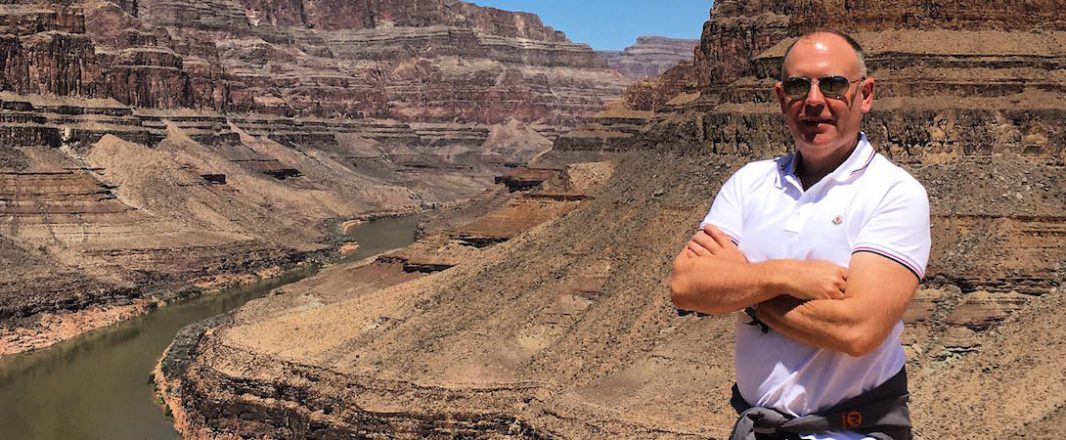
Simon Westcott’s extensive career in the travel media industry is undisputed. His most notable roles are as the former publisher of the famed Lonely Planet guides from 2001 to 2008, being the co-founder of Mr & Mrs Smith Asia Pacific, and his current position as owner and CEO of LUXE City Guides.
While each company varies greatly in both style and character, Westcott’s transition from one to the next was fundamentally motivated by one ambition, to no longer just work for a company, but to take ownership of the very business itself.
“My driver was to really be a bit more entrepreneurial, to have a financial stake in a business, not just be an employee.”
And so in 2014, Westcott made the leap and bought LUXE, a destination guide company that focuses on curated, luxury travel experiences. It proved to be neither an impromptu decision nor a quick process.
“LUXE was in some ways, more of a hobby business that did way better than expected… I was very aware of LUXE starting [and] I’d always admired what LUXE has done,” said Westcott. “LUXE does the best job in the world of curation at the higher end. It’s just got a very, very tight grasp on how to pick [and] get rid of places when they’re not performing.”
After the sale of Lonely Planet to the BBC [in 2007], Westcott’s offer to buy LUXE was initially rejected. Nevertheless, he kept in touch with the founders, with whom he held a good rapport.
“I then co-founded Smith Asia and grew that across the region out of Melbourne.” Then, as fate would have it, “I got approached by the guys at LUXE again in 2013 and they said they were ready.”
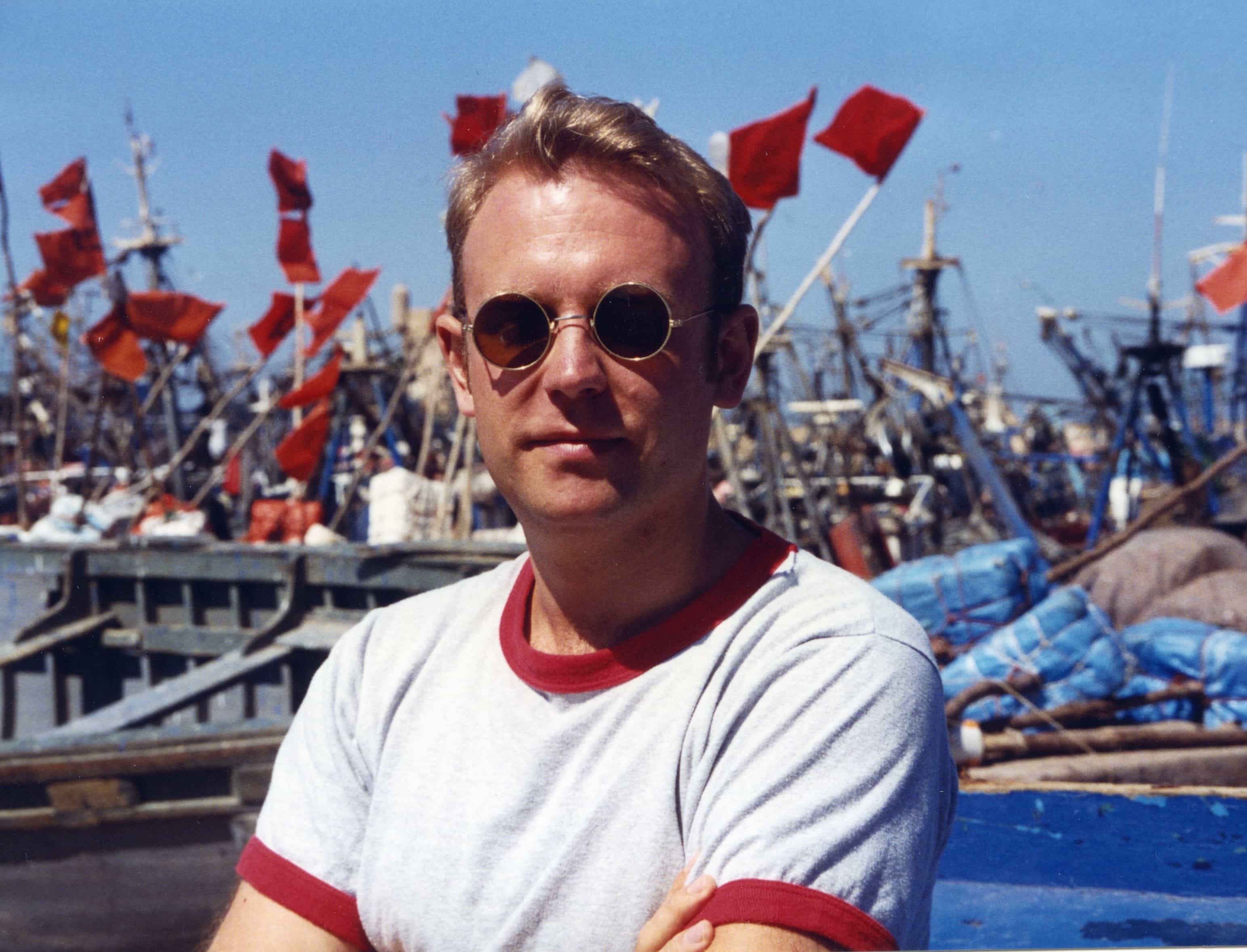
Simon Wescott (1995) in Essaouira, Morocco
Spending on what matters
When it comes to his own travel habits, Westcott believes he is a mix between the Lonely Planet thirst for exploration with the perhaps more discerning tastes of the LUXE traveller.
“My personal style of travel since I was in my 20s has always been mixed up… I’m a weird hybrid… I love the grunge and creative grind of cities. I’ve always grown up with that [but] when you start earning money, you want to access the more beautiful and special aspects of that lifestyle.”
It strongly echoes the mentality and thirst for experience that today’s primary traveller demographic [or millennials, as they are often identified] seek. Research seems inconclusive when it comes to spending habits of the vogue generation, struggling to pin down exactly where millennial money goes when they travel.
Westcott argues that identifying different traveller demographics, beyond money spent is a far more effective way to target your key customers.
“We’re not just catering to rich people. We’re catering to people for whom style, uniqueness etc. is important. It’s not what you earn; it’s about how you target your money at the things that matter to you. What you need… is the knowledge that you’re not risking any of your hard earned money on a bad experience.”
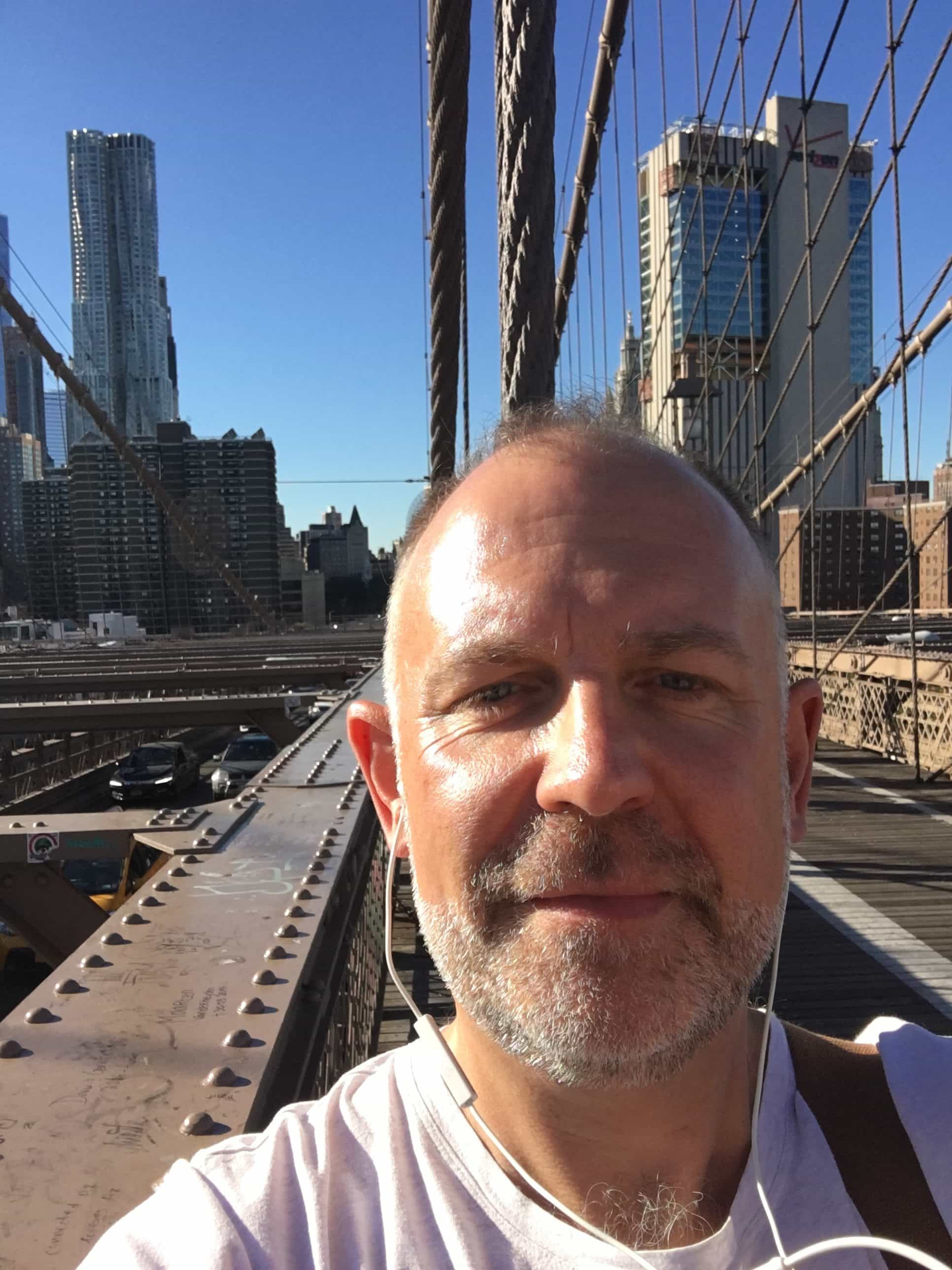
Responsible spending in travel
With regards to spending, Westcott’s political and social outlook has held a much deeper influence of how he believes people should travel. It is something that has also impacted how LUXE City Guides is run.
Beyond the price tag, Westcott believes “in the key good of travel”. There will always be travellers “who [are] time poor and not taste rich”, willing to spend on frivolous things, but the need for ‘responsible travel’ is becoming ever more crucial.
“I think travel… can change people’s values and beliefs. Secondly, because of the economic development it can bring.”
This, he believes can largely occur through “trickle down economics” in developing countries, where the tourism industry is well-regulated and policies, well-executed.
“I think there are some encouraging trends in travel that are helping, like the Airbnb phenomenon. That is a nicely structured way of living with someone in a city… even the experiential stuff they’re now offering. That peer-to-peer stuff… I think that’s a good way that technology is facilitating a bit of change.”
Nonetheless, Westcott is careful not to overstate the profound impact individual ‘micro’ experiences can have on the world. For example, he reflected on his experience riding local transport in rural Tunisia, and attempting to communicate with a local.
“Whoever it was I was talking to hasn’t changed my life personally and I haven’t changed theirs but there is that sense of otherness and people working hard in their own ways.”
Instead, what is more important is to pay attention to the businesses you support and how those businesses contribute to social change. Westcott identified a famous hotel in Rio de Janeiro with a community programme that can create far more impact on a local society than any individual tourist can.
“They’re able to carry the long term relationships, they’re the ones that can transform communities, who are educating young girls, and so on. Yes, the tourists are coming out and feeling good for one day but it’s much more the fact that the hotel has that programme over time. People shouldn’t feel this burden that ‘I’ve got to touch the lives of [however many people].”
Political correctness
And so, Westcott believes content companies like LUXE City Guides and Lonely Planet alike need to consider the ripple effect that recommending certain destinations might have in the bigger picture. He told of when Lonely Planet found itself in hot water after publishing a guide about Burma prior to the end of military rule.
The company eventually declared that as a publisher of information, it is their duty to enable people to make their own informed decisions regarding where they travel. It was indeed a lesson that LUXE took into account when curating their content.
“In research terms, it became very good to understand the difference between a government-run place, a place that was owned and run by cronies…and genuinely independent places. That’s when we put a lot of focus on saying, ‘allegedly run’ and ‘owned by’.”
Admittedly, it is challenge to operate “through a filter of taste” whilst remaining sensitive to these other considerations, yet not overtly politicising their content. Westcott is quick to emphasise that LUXE is not by any means attempting to position itself as a “politically correct” company.
“Our editorial staff is very edgy – we’re brutally frank and sometimes frankly brutal… We say quite rude things about what we hate about places,” but are still recommending it at the end of the day.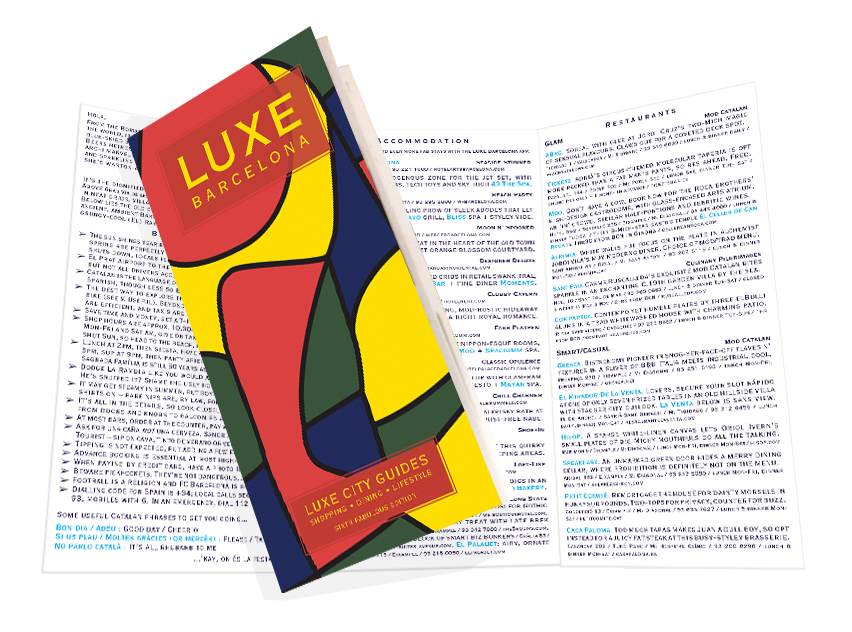
The LUXE voice
To keep its tone fresh, dynamic but consistent, LUXE has developed its own lingo of sorts. It is something that must be trained and passed down to new editors just like the “divine succession of popes”.
“We’re interested in the people who live in cities as curators, not as writers. It’s an inefficient system editorially in terms of the writing and crafting internally… it’s much more important for us to keep consistency in curation.”
“That’s really where it starts… those are the people who are living the LUXE life on their own dime. They’re not primarily journalists or travel journalists… In a sense, it’s a lovely model because it’s very real.”
“The analogy I have is in French cooking… you have this very intense taste that comes from the jus… I think a LUXE guide is like a good jus. It’s got an extraordinary amount of taste packed in.”