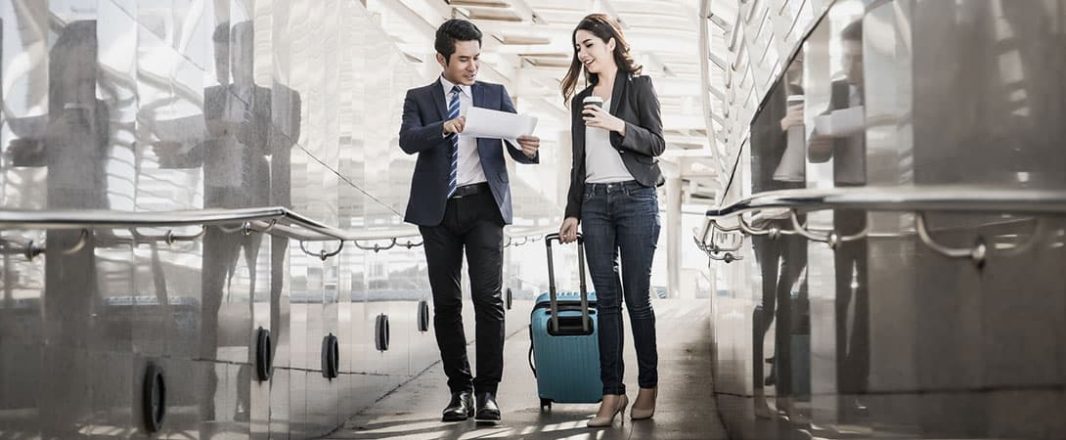
Business travel is on the rise. According to the World Travel and Tourism Council, an estimated US$1.2 trillion was spent on this segment around the world in 2016, nearly one quarter (23%) of total travel & tourism spending. It notes that business travel within Asia is growing at twice the pace of the rest of the world, and looks set to overtake the top-spending Americas within the next 10 year.
There is also a growing trend among these corporate travellers to include local leisure activities as part of their working trips.
This is also the finding of Amadeus recent the Journey of Me research that discloses that more than 60% of business trips in Asia Pacific (APAC) now include a leisure portion. The rise of bleisure – combining business and leisure activities into one travel experience – is accompanied by a concurrent growth in popularity for sharing services, it added.
To help travel service providers and OTAs tap this growth opportunity and get inside the mind of the APAC business traveller, the research focuses on his/her needs, habits and motivations
Conducted in collaboration with market research and data analytics firm YouGov, the research surveyed 6,870 respondents across 14 APAC markets – Australia, China, Hong Kong, India, Indonesia, Japan, Korea, Malaysia, New Zealand, Philippines, Singapore, Taiwan, Thailand and Vietnam.
Here are the research’s findings.
Costs and convenience
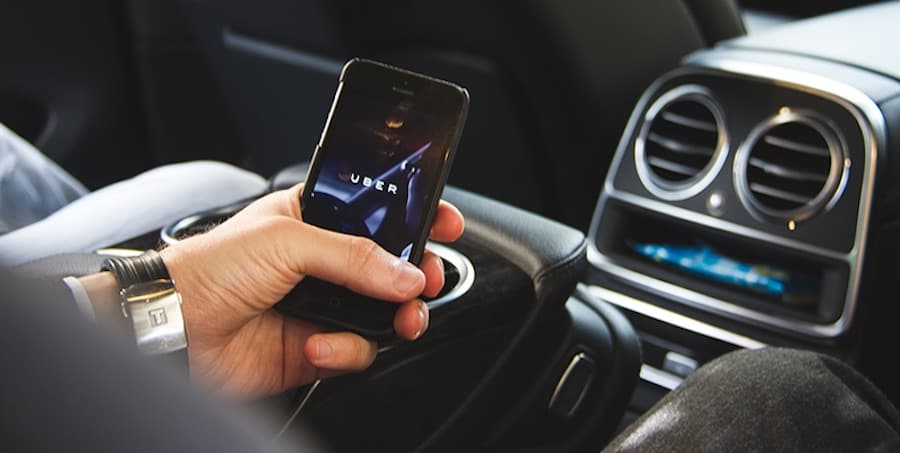
Ride-sharing service is popular with APAC business travellers. (Image credit: Uber)
The study finds that while APAC employees do not have to pay their business travel they are just as cost conscious as their leisure travel counterparts, and are interested in getting suggestions that help them save money (34%).
However, not all business travellers are the same. While employees from Singapore find those that help them save money and plan their itinerary the most useful (both 40%), business travellers from China, India and Vietnam prefer suggestions that ensure their safety (37%, 34%, and 37% respectively). Japanese employees, on the other hand, prefer those that make their travel more comfortable (39%) while the Koreans go for those related to sightseeing (35%).
The focus on cost has seen the sharing economy, specifically ride-sharing services like Uber and Grab and home-sharing services like Airbnb and Couch Surfing, being a large part of business travel, even more so than for leisure. Almost half (46%) of the travellers use ride-sharing services during their trip compared to 31% of leisure travellers.
The reasons for using sharing services are ease and convenience (59% for ride-sharing, 50% for home-sharing) and better quality and service (43% for ride-sharing, 39% for home-sharing). However, for Australian (47%) and Hong Kong (36%) travellers the flexibility of the sharing economy is the main reason they choose to home-share.
“The rise of bleisure means that business travel behaviours are becoming more aligned to leisure travel, including cost consciousness. Sharing economy providers benefit from this trend thanks to the competitive products, flexibility and convenience they are able to offer and deliver,” noted Renaud Nicolle, vice president for travel channels and business travel Asia Pacific for Amadeus.
Paying to stay connected

APAC business travellers don’t mind paying for connectivity. (Image credit: Pinkypills/iStock-Getty Images)
Despite being cost conscious business traveller do not mind dishing out the bucks to stay connected and are willing to pay for multiple options to do so.
WiFi remains the popular choice, but purchasing a local sim card at the destination is a close second for travellers from Indonesia (54%), Singapore (52%), the Philippines (51%), Hong Kong (47%), New Zealand (45%), Vietnam (45%) and Malaysia (44%).
On the other hand, the Koreans (64%) and Japanese (40%) go for international roam-as-you-go services while those from India (56%), Thailand (51%), Australia (43%) and Taiwan (42%) prefer to buy an international phone or data package before they leave home.
Although most business travellers stay connected to keep up with their work this is not listed as the highest priority by their APAC counterparts except those from Korea (56%).
Maps and location information are also used for staying connected (53%) and for informing people that they are safe (50%).
Relevant recommendations wanted

Travellers look for recommendations from various platforms. (Image credit: ComicSans/iStock-Getty Images)
Amadeus said travel providers have a unique opportunity with business travellers in the area of recommendations, as they find those they receive from various platforms more relevant than leisure travellers do.
Recommendations that help the travellers save money (34%), ensure their safety (31%) and make their travel more comfortable (29%) are deemed the most useful. The top three sources are online booking websites (51%), social networks (49%) and travel review sites (47%). Even for post-trip two-thirds (66%) of the travellers are open to receiving recommendations, most likely because they may return to that destination in the future.
However, in Korea and Taiwan travel agents are still rated as the top source (56% and 52% respectively).
Nicolle said travel providers need to have a clear understanding of what APAC business travellers want to realise the segment’s real growth opportunity. “They also need to be ahead of the curve when it comes to technology, ensuring they can offer the technology that business travellers have adopted and habitually use. It is all about personalisation, and pushing the right message at the right time to the right traveller, every time.
“This level of personalisation makes their business trip simple, stress- free and rewarding at every stage of the journey – from search and booking to expense reconciliation, from airport parking, lounge access, hotel and meeting rooms to departure control systems and baggage check-in.”
• Featured image credit: Jcomp/iStock-Getty Images