
We continue our series of Top 3 Lessons learnt in 2019 as travel industry leaders share their reflections on the pivotal year that was, and how they will prepare for the year ahead. What are yours?
Greg Schulze, senior vice president, Expedia Group
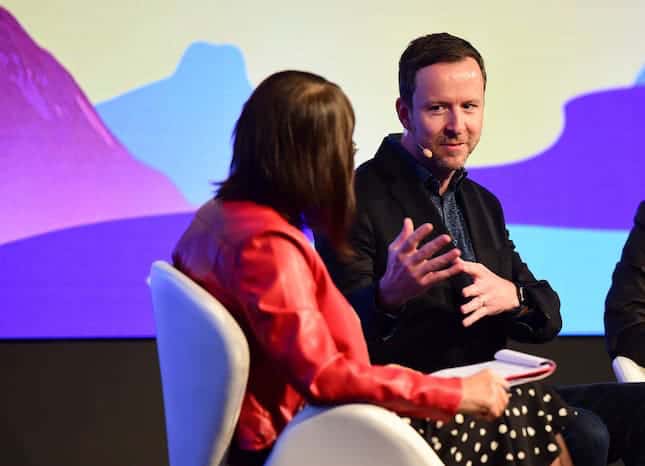
1. Success requires us to operate under the pressure of change. How could I not say this? The world is in constant transformation, especially right now in travel and technology. 2020 will bring new leadership for my company and many other changes I’m sure. Next year, my oldest child will leave for college, which will alter our home and family dynamics. With so much change, I often find myself both scared and excited. I am learning to believe that change is an opportunity.
2. In many ways, the world is becoming smaller and smaller, but our divisions remain significant. Around the world, we see political, cultural and economic battles that are more personal than ever before. While social media seems to have made this worse, travel is a proven cure. We need more people to travel, and we all need to connect with those outside our “tribe”.
3. Have I already mentioned change?
John Brown, CEO, Agoda

1. Customers now want more than just hotels, and we’re ready to serve it up to them.
2. Sustainable travel is finally becoming real – customers are asking for it.
3. Free flowing venture funding won’t go on forever. Customer centric, tech-driven, profitable models will prevail.
Louise Daley, deputy CEO APAC, Accor
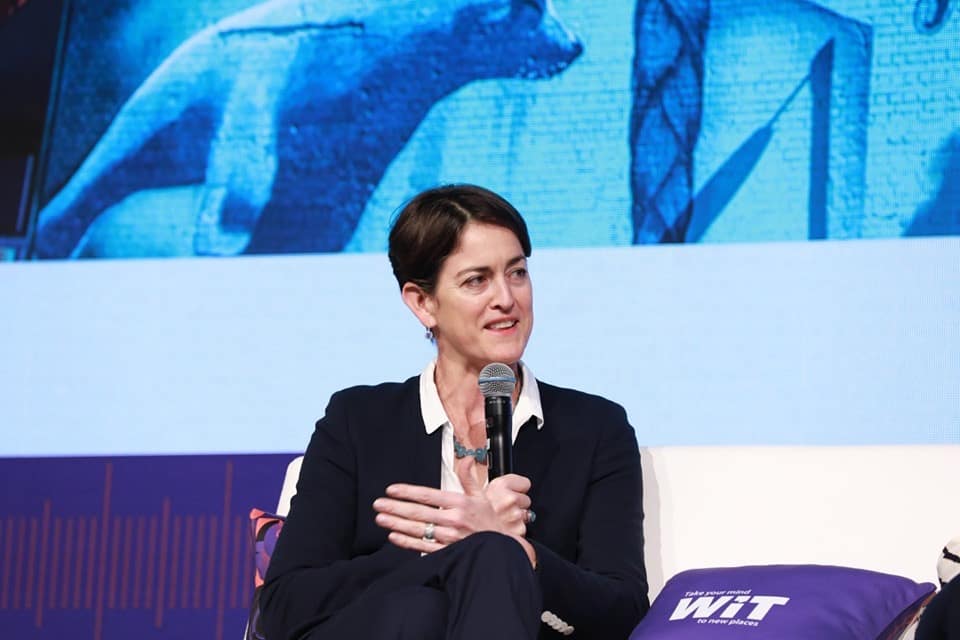
1. What is good for all almost never gets done. I grew up in the hotel industry experiencing downturns where analysts said “reducing room rates won’t generate demand”. Well of course it won’t generate demand for the industry, but it will for an individual hotel, so self interest wins. Same with climate change – so hard to get the right thing done when countries and businesses all want to game the system.
2. Young people still enjoy real conversations, and often need a hand getting their first job. Just because young people have greater access to information than ever before, and seemingly have more digital contacts, it’s not always easy to land their first job. But what an incredible difference it makes when they do, because a job has the ability to change a life.
3. There is growing interest in regulating the internet. When the very man who invented the internet believes we now need government, companies and individuals to work together for better online governance, should we listen? He said “if we don’t act now – and act together – to prevent the web being misused by those who want to exploit, divide and undermine, we are at risk of squandering it’s potential for good”. Ok, so let’s go back to my first point…
Min Yoon, CEO, Tidesquare

1. Growth is important, profit is getting more important.
2. New disruption/paradigm shift of distribution is coming, eg. NDC for air, deal between Marriott and Expedia Group
3. Mobile starts to disrupt even group package tours in Korea where those were regarded as quite solid in the market. Traditional giants begin to respond and prepare to counter.
Eric Gnock Fah, COO & co-founder, Klook
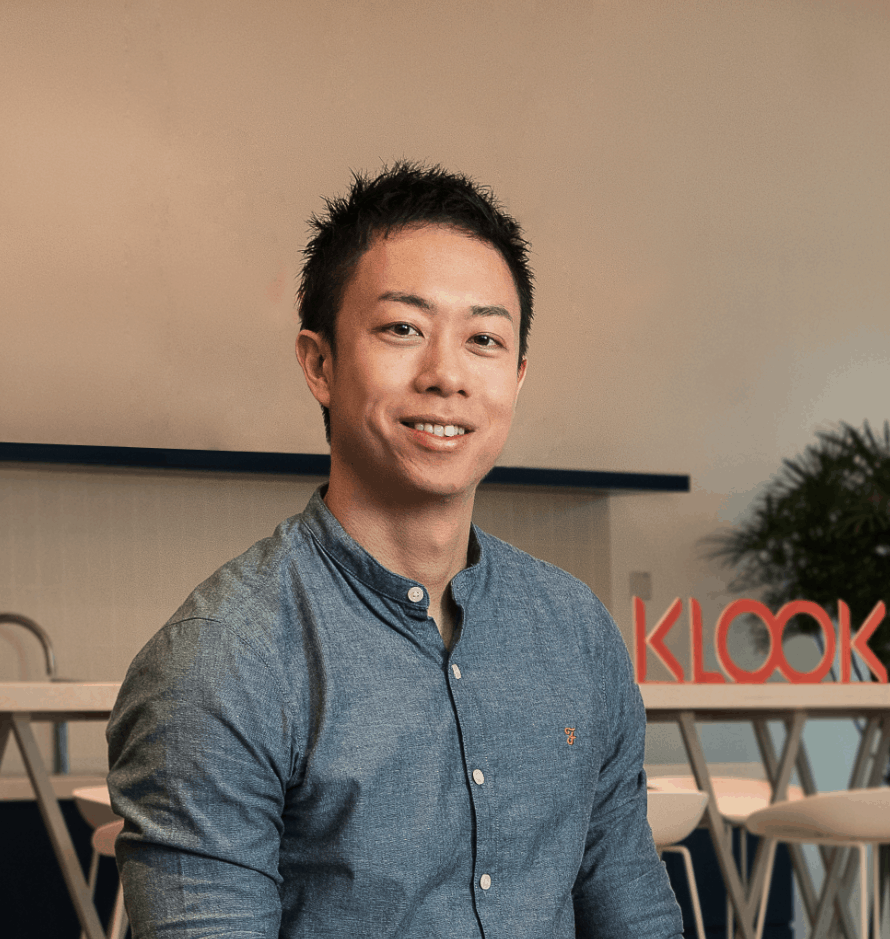
1. Evolve and be bold
Consumer behaviours are evolving and brands must continue to innovate, address the pain points of their customers, and have the agility to adapt to change in order to stay ahead of the curve. It is beneficial to adopt an outside-in approach – this will enable brands to think more boldly, not be constrained by traditional ways and approaches, to truly break the mold.
2. Listen and Engage
Brands must recognize the importance of creating offline touchpoints for customers, especially if they primarily are a digital platform. An offline event enables digital brands to create a physical touchpoint and show customers the real faces behind the company. It also provides the opportunity to gather feedback directly, better understand customer pain points and channel that to improve your offerings. For example, in Southeast Asia, we observed that traditional travel fairs did not cater to the growing needs of free and independent travelers in the region. To address this, we created Klook Travel Fest, a mobile-led offline event that was held in Manila, Kuala Lumpur, and Singapore. We saw over 150,000 attendees over the three mobile-led festivals with 1 in every 3 customers making a purchase.
3. Stay true to your people
While we have been able to quickly scale the business across many geographies, our talents are truly the heart of our organization and they are the catalyst, fueling our growth. Our company culture is fostered by early-joiners – they act as advocates of our values and are the social glue that holds our company together. But that alone is not enough if your company is expanding quickly and across regions. We have established a strong People & Culture function to cater to over 1,800 employees across 26 offices. We are definitely better equipped now, ensuring we are growing and nurturing our talents in a more sustainable and scalable way.
Stephen Joyce, CEO, Rezgo
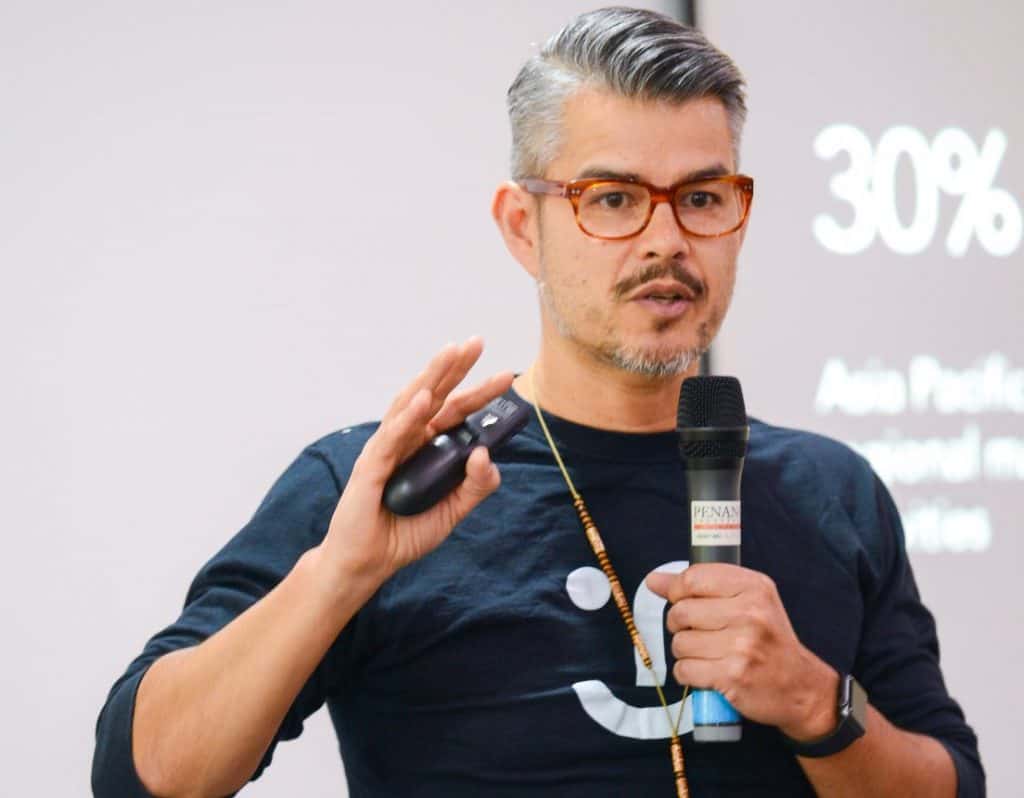
1. Technology is important but relationships are more important. Don’t underestimate the power of interpersonal connections. As wonderful as technology is at facilitating communications, when it comes down to it, nothing builds connection and relationship like sitting down with someone and spending time with them.
2. Business is an infinite game. Players in the game come and go continuously, but there are no defined rules and no real winners or losers. You either play the game, or you don’t. The real measure of success is defined by each player. As long as you continue to focus on achieving your goals, you will continue to play the game and be successful.
3. Think about what drives you to do what you do and infuse that passion into your business and life. When you infuse your passion into your business, it permeates your interactions with your customers and partners. Your why will define your brand and influence how you make decisions. Your passion becomes the bedrock upon which you build your legacy, both personally and professionally.
Claire Hatton, co-founder, Full Potential Labs

1. The calming effect of acceptance – Due to the ill health of a family member, some of the things I wanted to achieve this year have had to be put on hold. At first, (although I would never make a different decision to prioritise loved ones), I struggled with the frustration of being held back from pursuing my goals. That was until I decided not to fight it but to accept it. The resentment and frustration dissolved and I’m able now to be here in the moment focusing on the things that really matter in life. I know I’ll get to those delayed goals sooner or later.
2. The power of consistency – I co-host a podcast with Greta Thomas called ‘Don’t Stop Us Now!’. We interview some of the world’s most innovative, pioneering and original thinking women about their career journeys (check out the episode with Web in Travel’s founder Siew Hoon Yeoh). We publish an episode every two weeks and now, in our 2nd year, we’re just about to launch our 46th episode. It’s been hard work, there’s currently no business model, and there are times when putting so many hours into this passion project have seemed like madness. But in this last quarter, we’re literally now seeing that the consistency, hard work and devotion to creating quality content is starting to pay off. Momentum is building. We’re now listened to in 105 countries around the world and more and more women are telling us that an interview they heard has inspired them to take action. And last week, out of the blue, I was selected by Linkedin as a ‘Top Voice in Technology’ globally. My take? It’s all too easy to quit too early, before the momentum is given a chance to take hold.
3. You can have some of the best travel experiences in your backyard – I’m a HUGE traveller. It’s what I do; why I work; and what I love. But this year, we’ve had to cancel most of our leisure travel plans and have stayed close to home. This has meant that we’ve spent more time in our neighbourhood. What I’ve realised is that there is so much to see here that was under my nose all the time. Travelling is a state of mind. It’s about being curious, open and present to new experiences. What I’ve learnt this year is that I don’t necessarily need to get on a plane to be able to get my travel fix.
Johnny Thorsen, VP, travel strategy & partnerships, Mezi.com

1. Green travel is becoming a reality.
2. Great people are more important than a great idea.
3. Veteran founders will be the winners in the next decade.
Ritesh Agarwal, CEO and founder, OYO Hotels & Homes
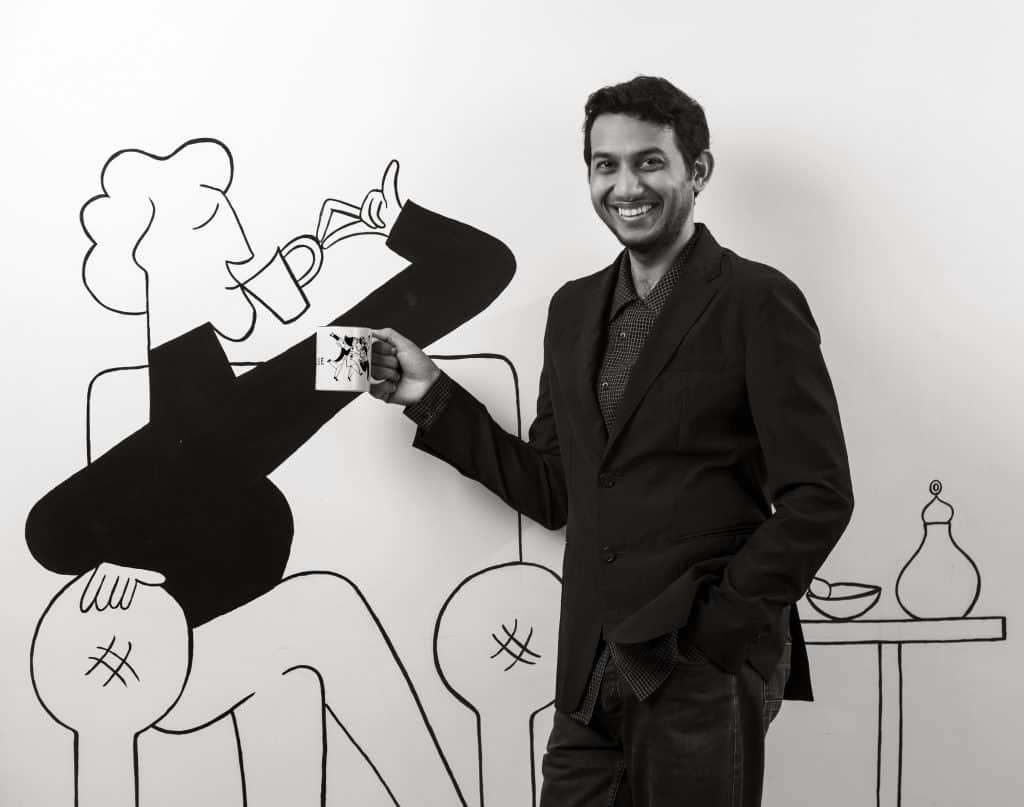
Startup stories usually tell the tales of vision, execution, and accomplishments. Besides designing a unique product and offering incredible service, what is truly inspiring is lessons learned by during my early days. No book or college can teach you what your experiences can. Looking back over the last six years, I believe our passion, perseverance, and grit, helped us pivot to where we are today. Here are three lessons I learned during my entrepreneurial journey:
1. Keep customers at the core of everything you do: My biggest learning for the year is that in the service and hospitality industry, one needs to be constantly evolving to meet changing consumer demands.
2. Focus on your organisation’s culture, recruit for tomorrow: Working through your careers, one thing will never change – working with other people. It is the most obvious, yet the least hailed principle – people will always be our greatest assets. You will always have debates, disagreements and discussions, but if as a group you are totally aligned to a single, big, invigorating missions – then you will complement each other and achieve exponential results. Since the early days of building OYO, I have learnt that hiring the right leadership and talent plays a significant role in shaping the culture of an organization, and in defining its future. We learnt that though we are a closely-knit group, each person has to take ownership and become an entrepreneur, work like one, build a team like one, and run the business like one. This has worked in our favour as in the history of OYO we haven’t lost a single leader and today, over 20,000 OYOpreneurs are committed to the company’s mission of creating quality living spaces.
3. Importance of growing right vs. growing fast: One must always believe in their ability to create an impact and work toward the mission with unwavering commitment. When you face a challenge or a roadblock, always go back to your first principles. One must always prioritize good and sustained growth over numbers that don’t capture real impact.
• Featured image credit: gustavofrazao/Getty Images