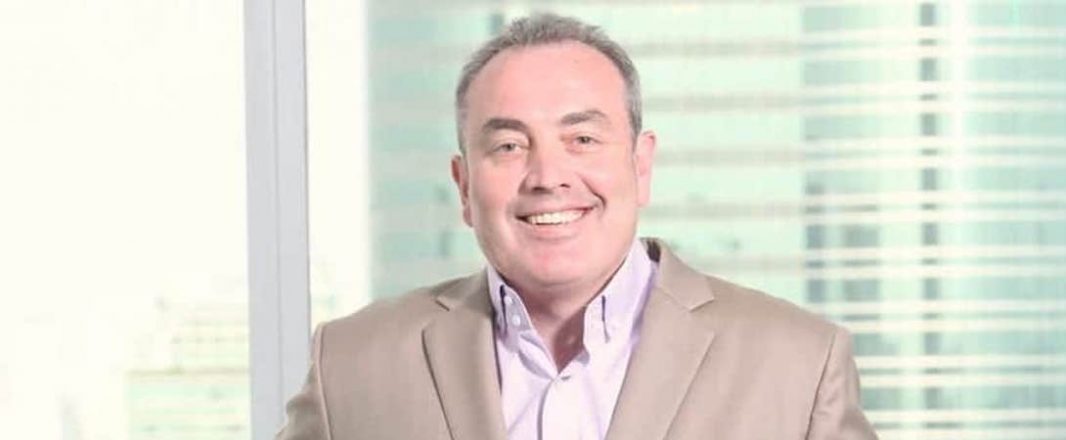
Even for introverts this year has been particularly hard in terms of being cut off from people, but for extroverts like Agoda’s Timothy Hughes it’s been especially challenging. But he’s been taking it in stride like everyone else, saying he’s been the best informed he’s ever been through virtual events but also the most disconnected.
We caught up with Hughes to find out his views living and working in a virtual world, what he thinks of virtual and hybrid events, what were his key takeaways from the recently-concluded WiT Experience Week, what he feels are two interesting trends to watch and, at the end, he speaks about the most memorable “conference swag” he ever got.
Here are the key takeaways:
• Best content ever but …
“The content is the best it’s ever been … disarming executives by having them call in from their homes has forced them to be a little bit more honest than when they’ve got their shields up onstage. So you’re getting great quotes and great stories, and people are feeling very in this together. There is a real honesty in the conversations … But as good as any content can be, it can’t replace all those meetings that never happened.”
• Is it worth it for event organisers to put on hybrid events?
“Financially probably not, but you need to keep the habit and the brand. Because this is going to come back, I’m convinced, just like I was convinced that leisure travel would come back … I’m convinced that the face to face trade shows, the networking event needs to come back. Therefore conference organisers have got to keep their brand and keep their flow in the forefront of people’s minds. So that when we can go back we know the ones and they’re still there, and they’re still in our calendars and they’re still part of our thinking.”
• Consumers have been through digitisation bootcamps, this will accelerate fintech
“The key takeaway is this digitisation bootcamp that is impacting every area of the economy. Consumers locked in their house for whatever period of time that was, depending on the country, have just gone to the next level of expertise in using digital technology to run their lives, from shopping, to travel to whatever. And that was just as clear, if not clearer in fintech, that we have coached, trained, put through bootcamp, half the planet on how to use their phone for digital payments and digital activity. You can’t put that genie back in the bottle, you cannot do that.”
• Fuzzy loyalty – is it to points, product or wallet?
“The loyalty side was a little less clear. We had an interesting poll with the audience, we asked the poll, what series of things would drive loyalty. And to put extremes in there, I had points and status, I had content, safety, and quality of the product. And the audience didn’t even put one vote on status and points, the audience spread their votes amongst a bunch of other things, but did not put one point on status and points …
“There’s plenty of hardcore travellers who have invested much of their life in getting that gold thing, that diamond thing, that PPS thing. And I think we don’t know yet how that’s going to transform and change during this crisis.”
• Will big tech get bigger and travel just becomes a small part of big tech?
“The super app concept is, if I have lots of eyeballs, I can get them to do lots of things. That’s the real concept. So if I have lots of people using my chat app, lots of people using my loyalty app, lots of people using my whatever app, I can get them to do dozens of other things because I’ve got their eyeballs. History tells us that that’s not always true. And let’s take the great example of the internet from 1998 to 2005, when MSN, Yahoo and AOL told us that the portal was the only place you needed to be online – and that was all you needed, because they had the eyeballs …
“And all those things collapsed because the experts built better products. It’s not enough to have eyeballs, you’ve got to have a great product.”
• Will domestic tourism make Asia travel stronger or are we just kidding ourselves?
“We’re doing both at the same time. Yes, they will become stronger and bigger domestic markets … but the problem is the domestic travel is just not evenly spread. It doesn’t compensate. There’s lots of islands you can point to through South-east Asia – Samui, Bali – where domestic is just never going to be enough ever.
“Similarly, the big box of hotels next to convention centres – you just can’t create domestic convention business that’s going to be big enough for that. So yes, it’s a great time for domestic and it can be improved upon, and it can really change the patterns of travels in those countries to enjoy their home market more. But yes, we’re also kidding ourselves that it’s going to be enough.”
• Trend #1 to watch – the on-site property experience and the connected travel experience
“There are lots of technology providers who have sort of swam in parallel but never got next to each other. I’m wondering if this could be the time in which the hospitality tech side, the airline tech side, the distribution tech side, can finally say, let’s be really close friends together because we got to do more passing information to you – you need to know so much more about this traveller – where they come from, and certainly once we start to do more inbound, they’ll be probably need to know more about their health…
“I’m just hopeful that this could be an uncorking of that blockage that stopped a lot of this flow of information and customer connectivity.”
• Trend #2 – a new form of recommendation engine
“I always thought the travel was broken when it came to recommendations online. But here we are, with 20 years in online travel or more … I remembered 10 years ago I put up a whole slide deck on where do I go next as being a consumer desire. The number one graveyard startup business in travel is the trip planner and the trip inspiration site. But in domestic now you’ve literally got anyone who can travel, say, Oh, I don’t want to go to that place. Again. That’s where everybody goes, where do I go next? And you type in places to go and you still get really poorly constructed recommendation. So I’m wondering … could this be a tipping point for a different model for how we recommend things to do?”
Enjoy this episode and watch out for the next one. Subscribe to us at Apple Podcasts or Spotify.