“Trust is the bedrock of collaboration”
In my recent visit to North Asia, specifically Japan and South Korea, I have been impressed by two characteristics – first, how polite and understanding particularly to tourists the local population is and second, a strong willingness to work towards a common goal, essentially seeing collectivism as being good for everyone.
In my opinion, for trust, collaboration is an essential ingredient for any successful business. Collaboration can be especially challenging to achieve in the travel industry due to its inherently siloed nature.
Contrast this with the large Western markets such as North America and Europe where recovery from the pandemic roared back and something less savory came with it. Air rage grew significantly. Not sure why this would happen when everyone in those markets were very considerate as a whole during the pandemic.
We see Western businesses are usually reluctant to share information or resources with each other when exceptionalism and sole innovation are so valued. This is especially true with the US market where most major commercial sectors are dominated by a small group (four or fewer) players.
This can make it difficult to develop industry wide solutions. In turn, the observation I would make it that this creates obstacles for the markets to respond quickly to changing market conditions. Data is very sparse in almost all sectors and in the major sectors of airlines and hospitality this is getting worse, not better.
Asian cultures tend to place a greater emphasis on collectivism and cooperation. This is reflected in the way that businesses in Asia approach the travel industry. For example, in Japan, there is a long tradition of “keiretsu”, which are groups of companies that work together closely to achieve common goals. This type of collaboration has helped Japanese businesses to become leaders in a number of industries, including the travel industry. Similarly, the Korean Chaebols tend to foster collaboration.
At the recent WIT Japan & North Asia, this reflection of influence was in full display. Let me pick on a few examples.
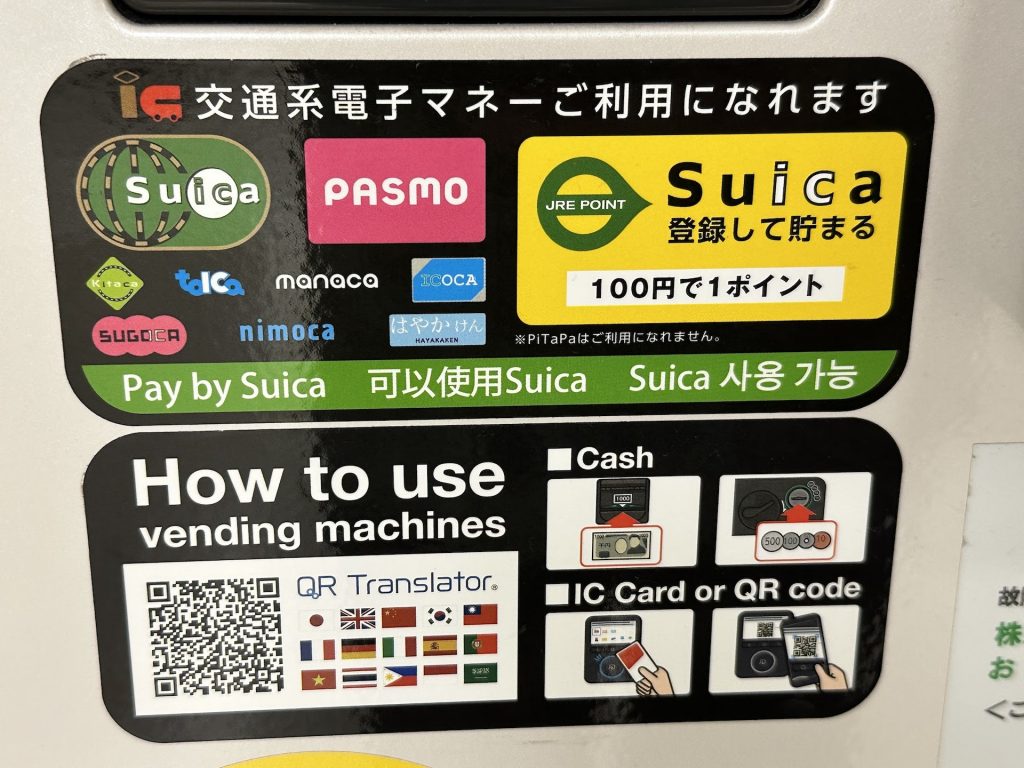
JR East’s Suica card which allows commuters to buy and pay for many things and with integration with SQUEEZE’s suitebook solutions, to check in at hotels. An example of industry collaboration making it easier for customers.
SQUEEZE, a Japanese hospitality tech company, and its implementation of cloud based PMS puts the market leading Opera to shame in both features and functionality and ditto, I understand on price. Its integration of its suitebook Solutions with JR East’s pre-paid Suica card means that customers of its hotel can use Suica to check in, activate the room key and pay through their mobile device.
On the airline side, president and CEO of ANA, Shinichi Inoue spoke of the innovation the airline is undertaking to create an “ANA Wonderland” and he spoke of lessons he took from running its low cost subsidiary, PEACH, into the parent company. PEACH, represented by corporate planning manager Naoko Cooper, at the event, displayed characteristics that are in sharp contrast to those of airlines in the US.
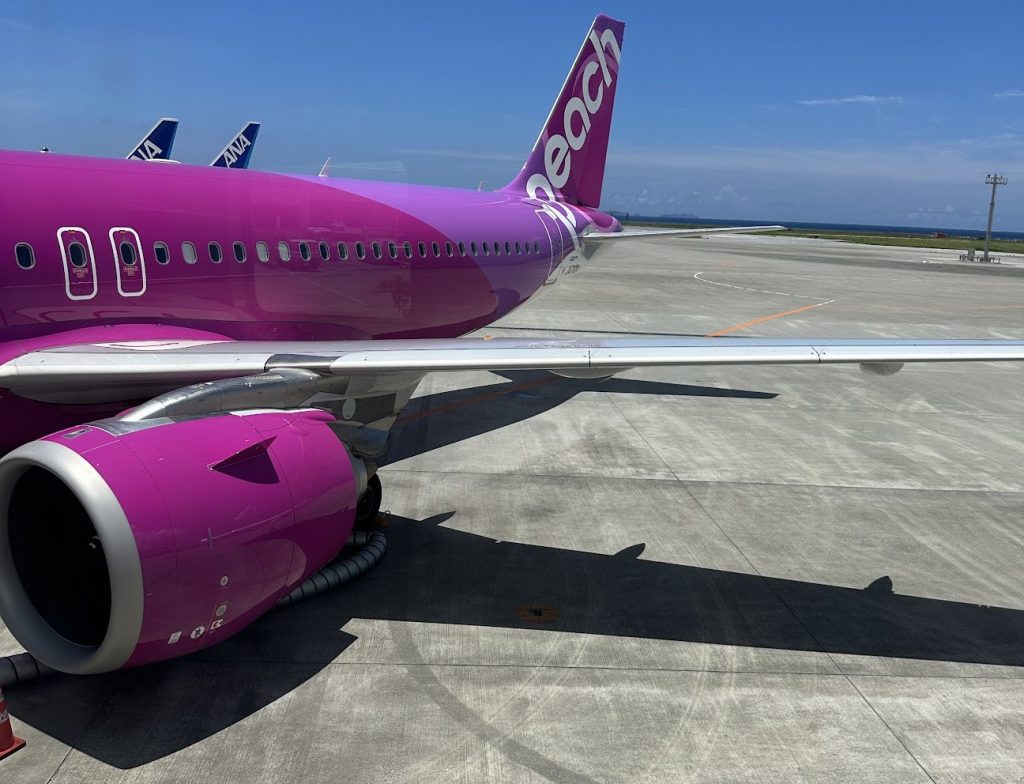
Peach’s approach to innovation and collaboration leads to a better customer experience for travellers.
Having recently flown on both airlines, I can attest to the manner in which this willingness to collaborate just works. A better experience for me as a customer.
I will highlight four key influences that engender this trust and collaboration.
- Asian cultures tend to be more hierarchical, which means that there is a greater sense of respect for authority and for the decisions of leaders. This makes it easier for businesses to agree on common goals and to work together towards those goals.
- Asian cultures tend to be more collectivist, which means that people are more likely to identify with their group or community. This makes them more willing to share information and resources with each other, even if they are competitors.
- Customer service tends to have higher value and higher touch in contrast with the Western attitude where efficiency is more highly regarded.
- Aligned with the service point, Asian cultures tend to be more relationship-oriented, which means that people place a greater emphasis on building trust and rapport with each other. This makes it easier for businesses to collaborate effectively, even if they are from different countries or cultures.
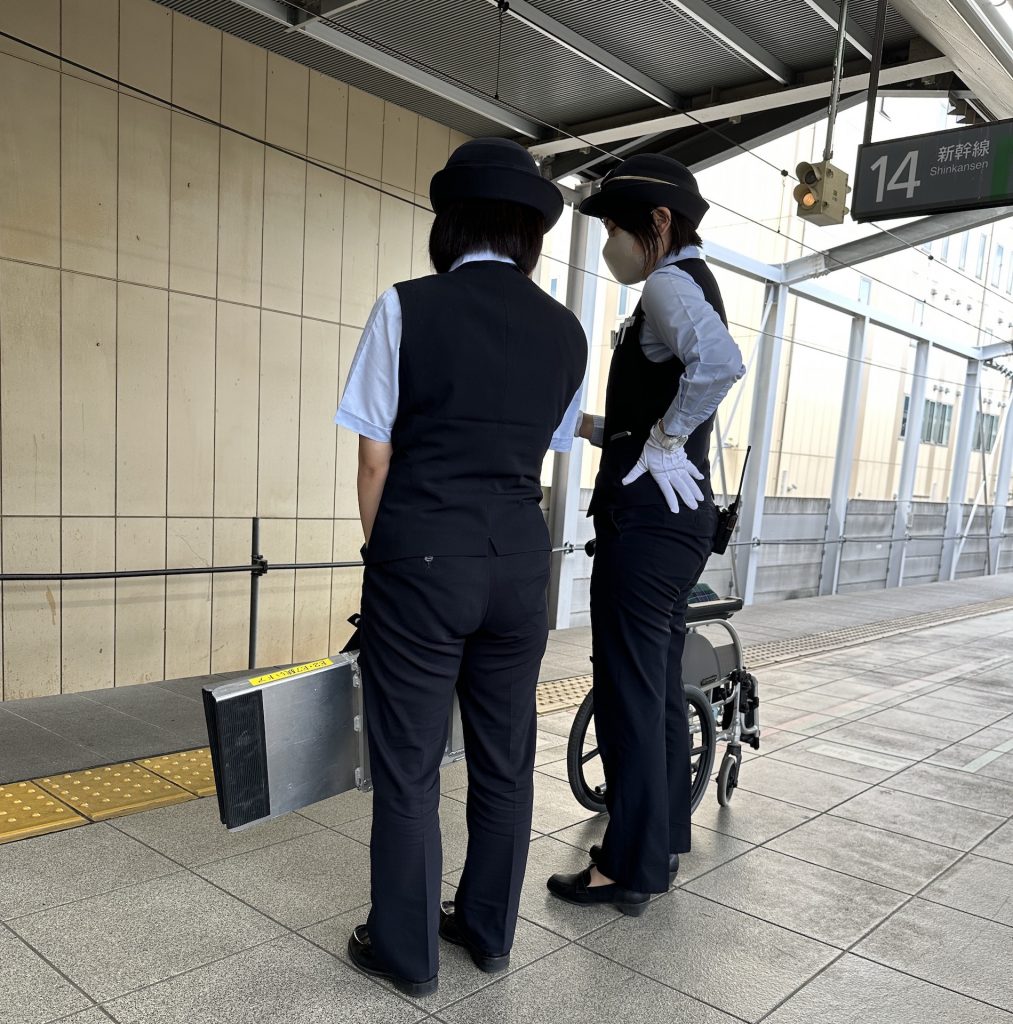
Staff at the train station: Customer service tends to have higher value and higher touch in contrast with the Western attitude where efficiency is more highly regarded.
In recent years, the trends towards collaboration in the travel industry have been spotty at best. Consider the trials of NDC on the air side, which should be beneficial for all, that has taken now more than 13 years to achieve what remains a single digit market share. Admittedly it is ramping up, but that collaboration was strong within the peer group of airlines but not across the other stakeholders in the air sector such as the GDSs and the Travel Intermediaries/Sellers.
The move to digitalisation is playing a major role in facilitating collaboration in the travel industry. The different technology states of Western markets contrast with the rapid adoption of digital in North Asian markets. For example, online travel agencies (OTAs) allow businesses to share inventory and pricing information with each other. I also feel that the nature of the online travel businesses has diversified from the singular model of Expedia and Booking Holdings. The greater influence from China and the diversity of offerings there have had a positive impact on the other North Asia marketplaces.
Of all the countries in Asia, from my personal perspective, I do believe that Japan and South Korea are likely to be among the leaders in establishing trust through collaboration in the travel industry. These countries have a good recent history of cooperation and a strong commitment to innovation. They are also home to some of the world’s leading technology companies, which are developing new technologies that will make collaboration easier and more effective.
While there are many challenges towards collaboration, I do believe that trust does ensue and this is something that will start in North Asia. Ignore that at your peril.