
Using AI to illustrate the “big story book” for toddlers for a new tour
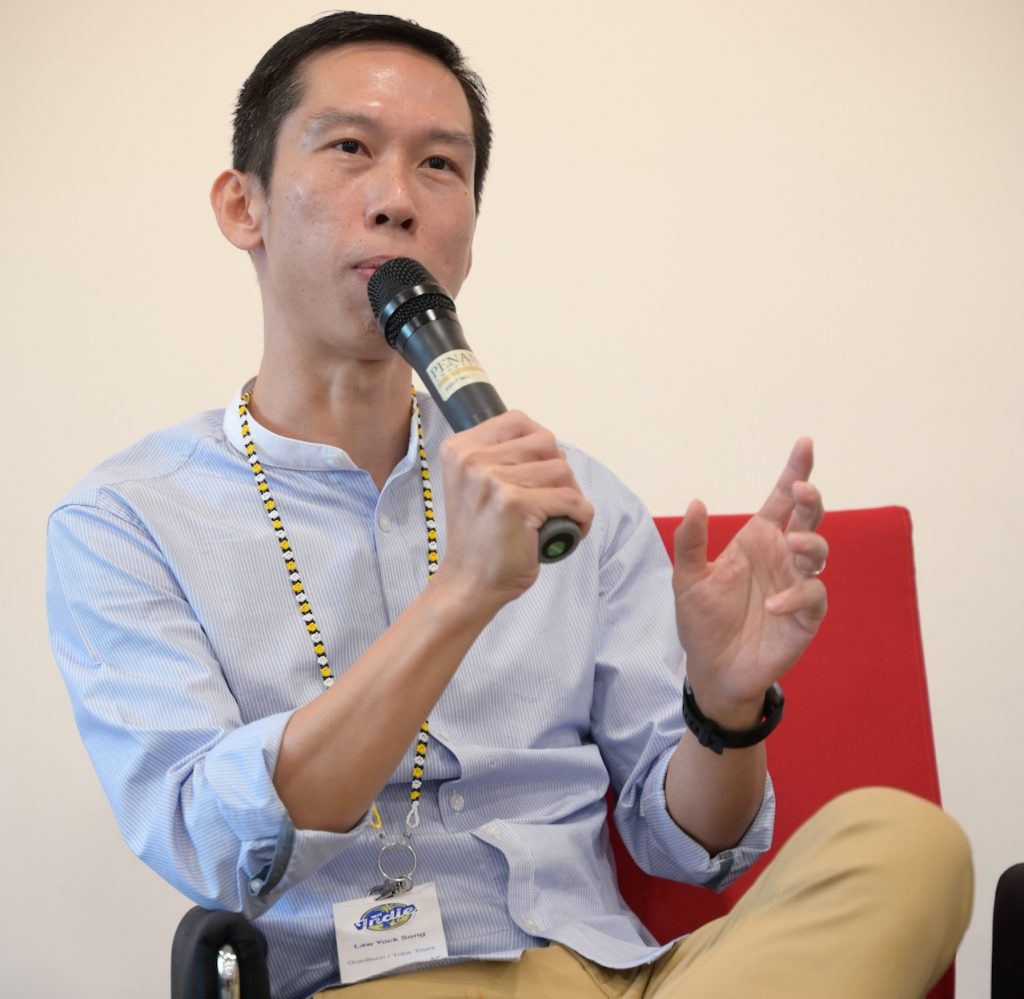
Yock Song Law: “It helps when the story relates around a character or person, because it connects humans to humans, and so there’s empathy.”
For Tribe Tours, Singapore, storytelling is an absolutely essential element to staying relevant as a tour operator in a destination where, let’s face it, visitors don’t face much trouble in getting around. It’s how you differentiate and add value, believes Yock Song Law, Partner & Head of Partnerships, in this interview at WiT Indie, Penang.
Q: How do you think about storytelling in your tours?
I see storytelling as the backbone of my tours. It’s like directing a movie; I’m crafting a narrative that pulls people in. I find that centering the story around a character or person creates a powerful connection. It’s about bridging that human-to-human gap, fostering empathy, and making the experience more memorable.
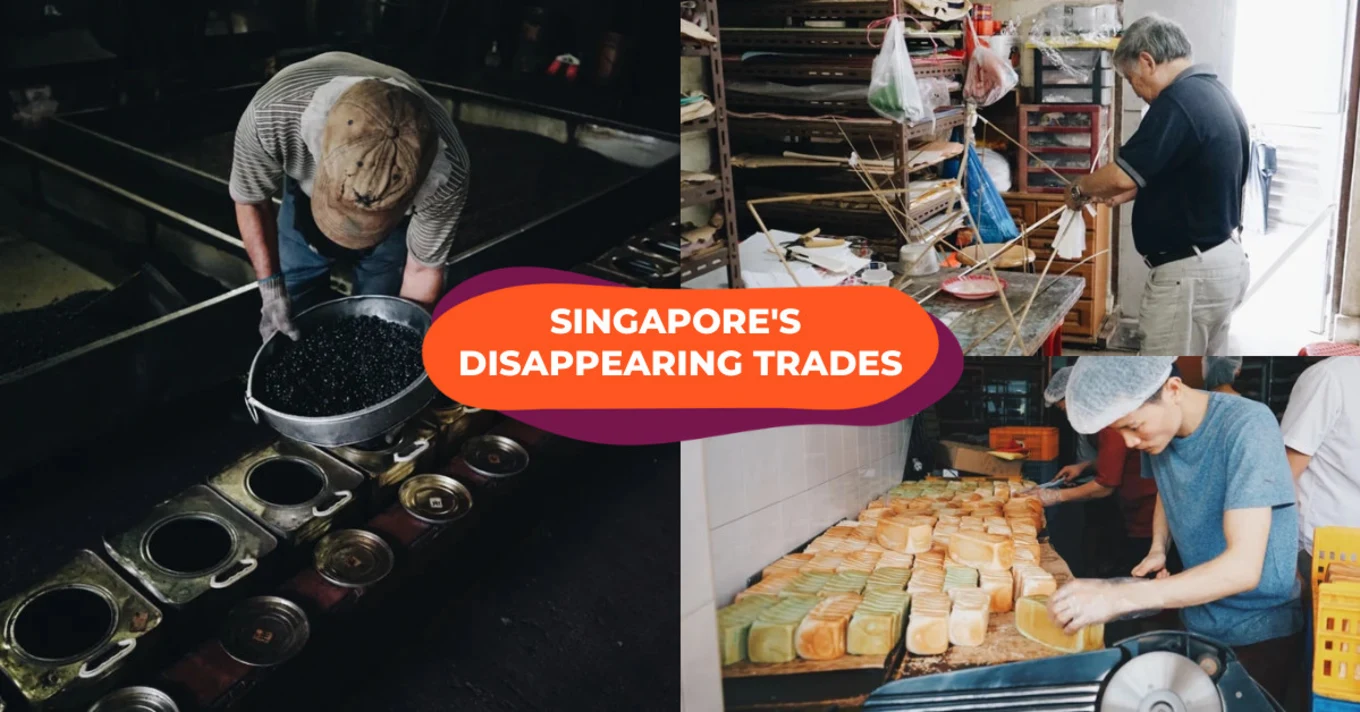
Q: Let’s talk about some of the tours that you’ve done that captures these elements. Disappearing Trades, the tour that won Tribe the first Singapore Tourism Award, which you started eight years ago.
It started off by us wanting to tell a different side of Singapore, to put ourselves in the shoes of the traveller, what do we want to learn about Singapore? So we thought of how a typical day starts – kopi (coffee), roti (bread), where did they come from, what’s the story behind them, they will soon disappear.
I always say, this tour, one day, will also disappear – a matter of time. We started with four stops, now it’s three – the parrot astrologer has disappeared, he returned to Malaysia, so no one does it now except at events. So, we now have the coffee factory, bread factory and paper house. All sunset industries.
And the stories are always about the people, not the industry.
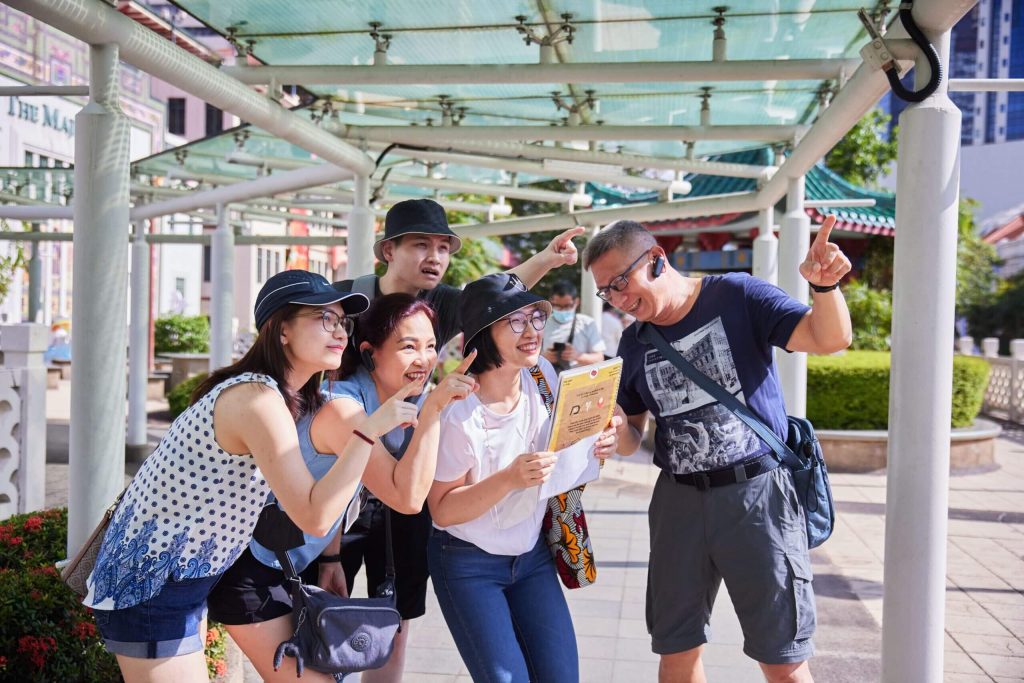
Q: Your Chinatown Murders won our Changemakers Award last year, as well as STB award. Tell us the story behind that.
It is our most popular tour – a modern version of storytelling with gamification where participants have to guess the murderer. It’s used by corporates for team building as well.
We tried to repeat a similar model with Jewel Heist, where we created a story around a heist at Jewel, Changi Airport, and we planned an escape route. We thought it’d be popular but it was not that well received.
Maybe there are too many competing Changi-related products or maybe it’s the
Q: Your Chinatown Murders won our Changemakers Award last year, as well as STB award. Tell us the story behind that.
It is our most popular tour – a modern version of storytelling with gamification. Participants become detectives, solving puzzles and unraveling a murder mystery through engaging narratives delivered by our guides. This format has proven successful, especially for corporate team-building events.
We tried to repeat a similar model with Jewel Heist, where we created a story around a heist at Jewel, Changi Airport. Players strategize an escape route, immersing themselves in the architectural story of Changi Jewel. Unfortunately, despite our high hopes, the tour did not sell as well.
Maybe there are too many competing Changi-related products or maybe it’s the price, where we price it at $80 for a 3hrs duration, compared to Chinatown Murders at $60 for a 2hrs experience.
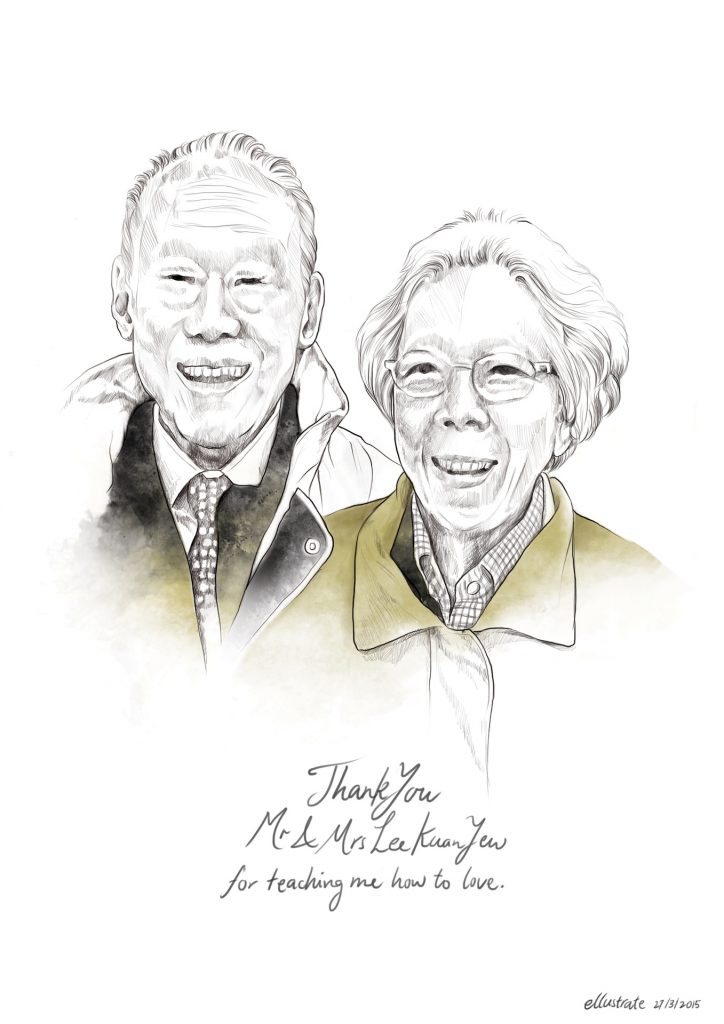
Q: Your LKY (Lee Kuan Yew) Story – which is definitely about a person – is also highly popular. Seems he’s Singapore’s biggest attraction.
Indeed, we’ve seen substantial interest, particularly from Chinese corporations. We have a series of tours booked for September. While the tour delves into Mr. Lee’s personal life – as a son, husband, father, and grandfather – it’s rich in lessons applicable to leadership and problem-solving. This resonance has made the tour popular among overseas business missions, business delegates and also students from the Lee Kuan Yew School of Public Policy.
Q: Who writes your stories/scripts? Have you worked with theatre companies before to create stories?
We have tried but often it’s hard to marry the two – when the tour becomes too much like theatre, it becomes too expensive to run. Take the example of the New World Tour which stopped after three years – that was an audio tour, telling a story of two star-crossed lovers in the New World area. That was expensive, renting a flat as a set piece and decorating it with props.
Q: Let’s talk tech – how do you use tech to become more efficient, more productive?
Our automated bot (EZBooking.AI) is going really well – it handles bookings, finds the guide, matches the guide, sends out admin information – really useful for multiple individual bookings. But there’s a limit – no matter what we put on the website, some clients will always call for information.

Q: How are you using AI to generate content?
It definitely speeds up the writing process. What used to take a few days, now takes less than 15 minutes, so writing has become the least of our concerns. The concern is, to humanize the copy because after a while, all the copy starts to sound the same.
We experimented with a project for toddlers, 4-9 years old, and asked, what’s the best way to tell a story, and we thought, why not reintroduce the big story book? So we used AI to generate the initial draft and to illustrate the book. First, the Page 1 character did not match the Page 2 character, but after a few rounds, managed to get eight images that are fairly similar.
Q: You also started tours run by Persons with Disabilities around the SG Enable village. What are your plans to expand this area?
It’s going very strong – which surprised us. Predominantly, it’s locals, corporates. It is unique as it is the only tour in Singapore that is guided by Persons with Disabilities – it does change people’s perceptions of them. The customers, they get a completely new understanding of what PWDs are able to do.
We now have four guides, and we want to scale up their roles, see if we can expand to other fields, hotels front of house, instead of limited to back of house, and with conferences and exhibitions.
Q: Singapore is a small place, very easy to get around, and today information is so easily available. Why would travellers need tour operators and guides these days?
It’s all about how you differentiate and add value. One, who are your guides? Two, content – how you create it and tell stories. Three, how you handle large groups. And continuing to create new tours around good stories – we created a tour for the Singapore Heritage Festival, called Chicken Rice Diaries: The Hainan Story in Bugis. We gamify it with bingo, we introduce a rare Hainanese snack called Yibua, and it’s run by a Hainanese guide who tells his own story. Surprisingly, we get a lot of locals, younger Hainanese, booking the tour.
This is a testament to the power of storytelling and experiential learning, which is what travellers are seeking for.