


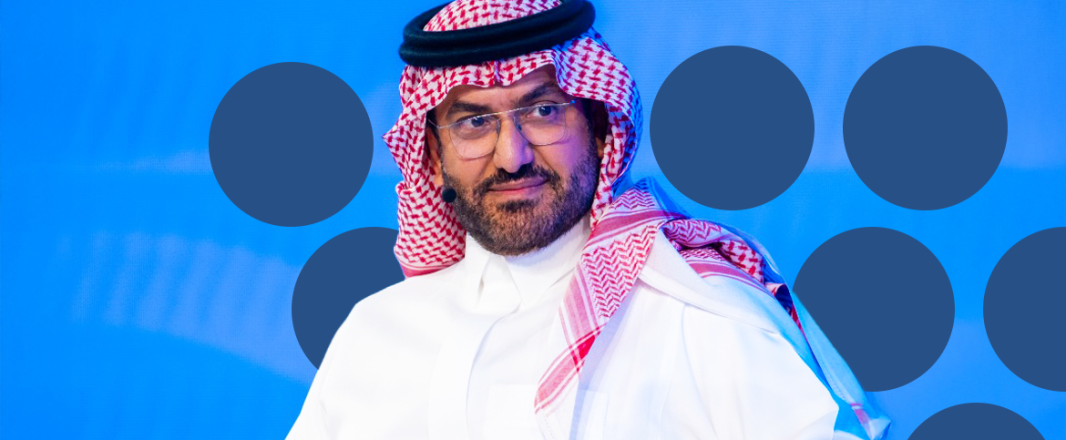
Saudi’s bid to unite consumption economy and to elevate tourism to its fair play
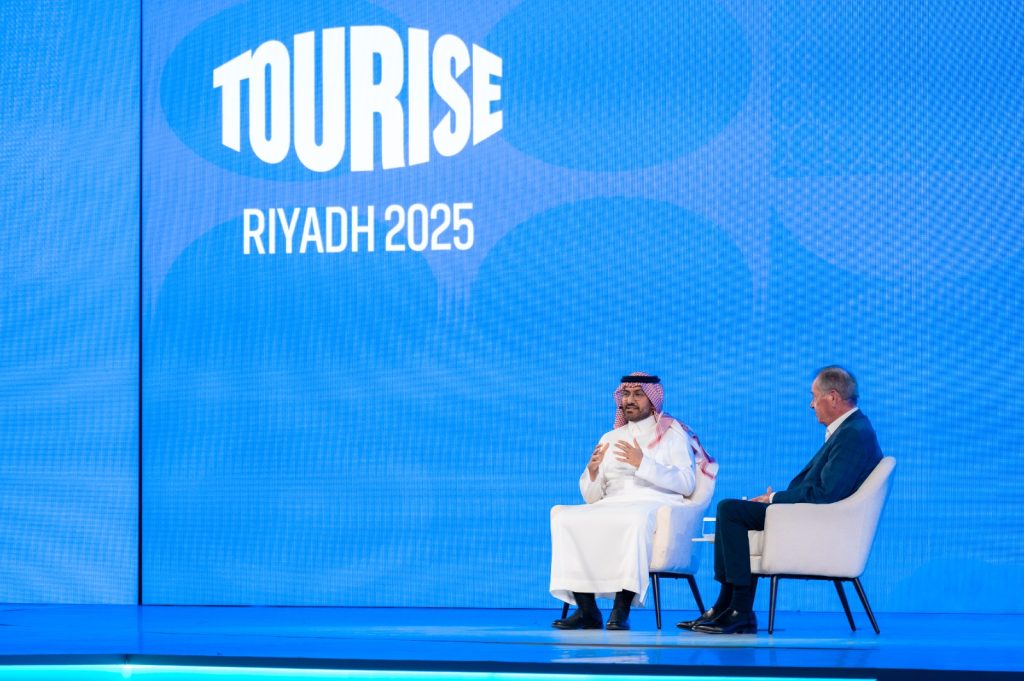
It was the final day of TOURISE 2025. The three-day inaugural global travel event organised by the Saudi Ministry of Tourism was winding to a close but even then, the corridors were still full of people, the energy still palpable and the mood celebratory.
Fahd Hamidaddin, CEO of Saudi Tourism Authority, was beaming from ear to ear.
“I’m actually overwhelmed with positive feedback,” he told me. “We had leaders from the other industries who attended, saying, we didn’t know what to expect but it exceeded all our expectations.”
More importantly, he said, were the ideas and initiatives that were created by facilitating such convergence – bringing multi-sector leaders under the roof of tourism for the first time.
Tourism, he argued can no longer operate in its own silo of hotels, airlines, tour operators, and booking engines. Most events revolve around those groups. TOURISE was designed to break that mould, he said.
“You don’t often bring entities like border control, visa authorities, financial solvency systems, ministries of interior, AI companies, and mayors… but these sectors actually shape and impact tourism, maybe to a greater degree.”
The first breakthrough: Visa by profile, not passport
One of the most promising initiatives is a cross-border alignment on digital visa innovation – Visa by Profile, rather than by passport.
Hamidaddin described watching visa officials, financial institutions, and interior ministries begin to coalesce around that single idea: A passport-agnostic visa issued by digital traveller profile rather than nationality.
“You can imagine just getting a visa solution that addresses financial solvency could unlock hundreds of millions of travellers… This is not a solution for Saudi Arabia. This is a solution for the world.”
The Visa by Profile programme is designed to simplify visa issuance for low-risk travellers through financial reliability verification. By partnering with Visa and leveraging credit scores, the initiative aims to reduce barriers, attract high-value tourists, and make visa decisions faster and more efficient. The pilot will launch in Saudi Arabia and expand to integrate other markets.
If realised, this model could redefine global mobility for travellers from India, Indonesia, and across Asia.
A new alliance on traveller safety
Another unplanned – but urgent – initiative emerged around traveller safety, an issue Hamidaddin notes is escalating worldwide. “Robberies, thefts, attacks on travellers… it’s only rising.”
Because safety typically belongs to ministries of interior or city authorities, it seldom appears on tourism conference agendas, he said.
By the end of the event, not a working group – but an alliance called the Tourism Destination Initiative (TDI) – had formed:
- 27 members
- 13 mayors, with two agreeing to co-chair
- Three AI companies
- Google and Amazon (AWS)
- Commitments to reconvene in three months
“That, to me, is the greatest value,” he says. “We had imagined a working group… now we have a coalition.”
The first chapter: destination safety. Future chapters: city design, surveillance models, and next-generation urban tourism.
The first agentic protocol for tourism
The world’s first Agentic Protocol for Tourism, a universal digital framework to span the traveller’s journey, was also launched at TOURISE as part of the Agentic Tourism Initiative in partnership with Globant.
The Initiative brings together founding members across technology, infrastructure, aviation, and destination leadership, including: Globant, Red Sea Global, HUMAIN, Riyadh Air, King Salman International Airport, World Travel & Tourism Council, Amazon Web Services, Salesforce, Hollibob, and Trip.com.
The Protocol aims to define how AI agents interact from inspiration to return.
Retail, tech & cities: Tourism as the consumption economy
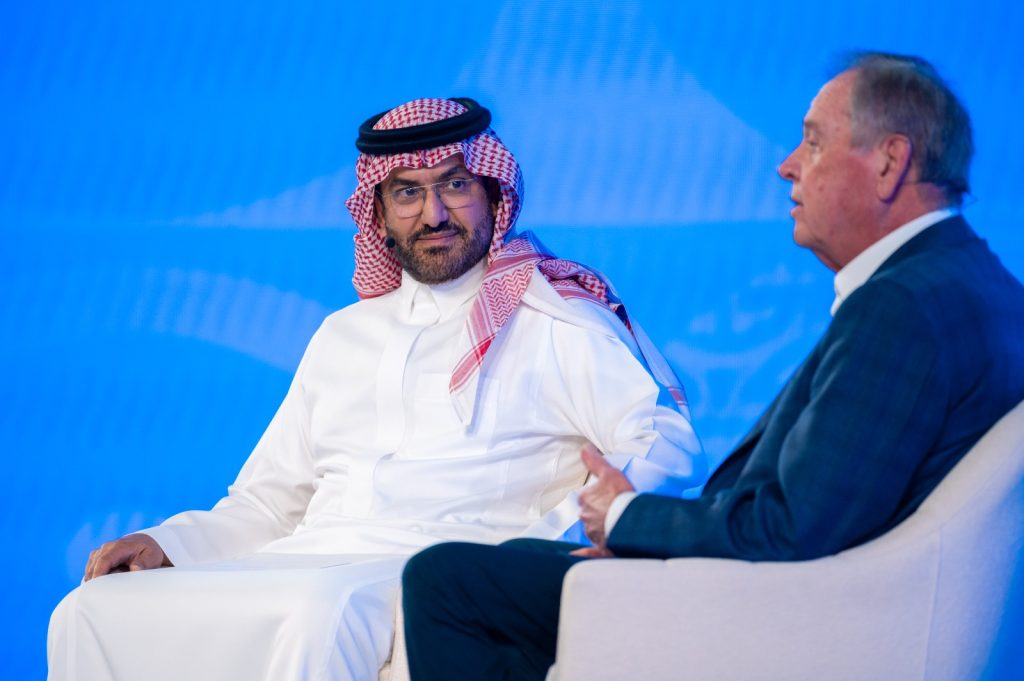
Hamidaddin’s view is that the future of tourism is inseparable from the future of cities – and consumer culture. “We are all in the consumption economy.”
He cites conversations with retail leaders such as Jean-Marie Tritant, CEO of Unibail-Rodamco-Westfield and others. “They were asking: How do you see us involved in the design of urban spaces and cities?”
He sees brands shifting from places of transaction to spaces of experience. “You need to unpack the brands you have. Imagine if Nike expands into Nike gyms… how can we unpack these brands into experiences?”
He also cites examples such as London where 40% of commuters on the Underground are tourists or Greece which gets four times the visitors of its population. “Because of tourists, these places are able to build infrastructure they normally wouldn’t be able to afford if it was just their population. What’s good for visitors is good for locals too.”
Saudi Arabia’s advantage: A living laboratory
His belief is that Saudi Arabia is uniquely positioned to spearhead such a movement as TOURISE.
“We are a living laboratory – a test bed for so many ideas. We came late in the game, and we’re the biggest investor. Our new cities are testbeds for global innovations and new models… and we will export the learnings.”
In other words, it has no legacy systems to hinder innovation, offering a rare blank slate. This gives the Kingdom a unique ability to try – and scale – next-generation solutions in real time.
What excites him most: TOURISE 2.0
While TOURISE 2025 had a clear agenda, he lights up even more when he talks about what wasn’t planned. “I’m more excited about the things we did not plan for, but were generated by the discussions.”
Hence his wish is for TOURISE 2.0 not to be too scripted but that it should catalyse. The next edition, he insists, cannot be defined by the same 100 people who imagined the first.
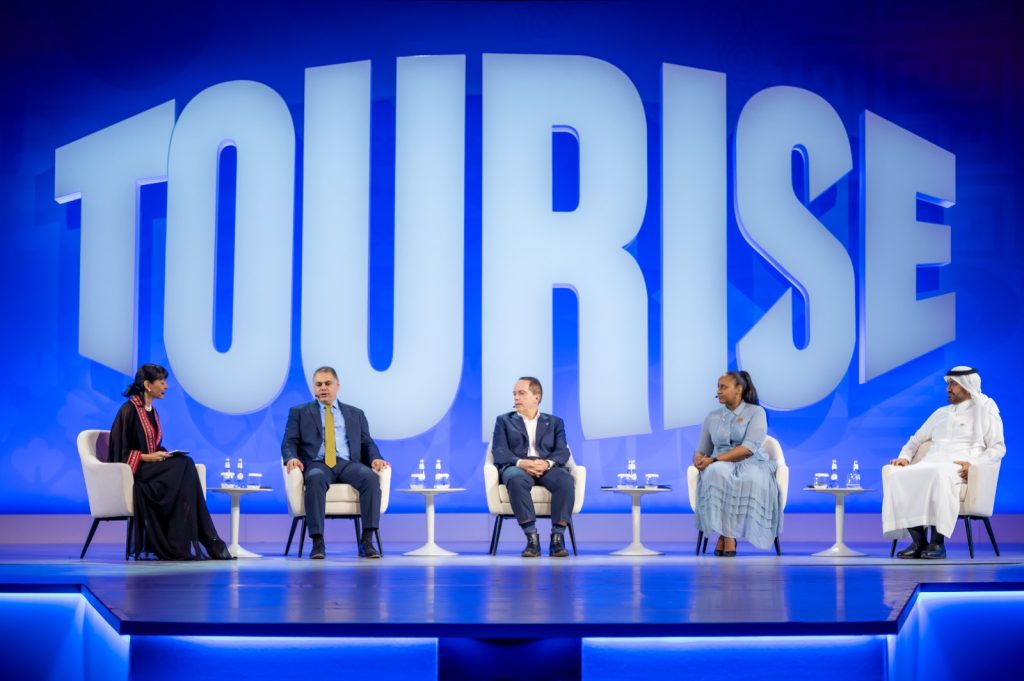
“The next TOURISE should be shaped by the people who participated in the first… the sectors that came in and identified opportunities we may not have thought of.
“This is a platform for all of us. It’s not from us to the world – it’s from tourism to other sectors to engage them.”
His vision is simple but ambitious: “To see tourism rising to its fair play – that is what TOURISE is all about. Tourism, for the first time, rises to a level where it brings leaders of all sectors and policymakers under its own roof.”
Editor’s note: TOURISE 2.0 is scheduled for March 23-25, 2027.


