


One of the reasons I love visiting Tokyo is that in a single day, you can be transported to the future – catching a glimpse of what the world might become – and then, just hours later, be pulled gently back in time, into a place of exquisite taste, deep tradition and unexpected warmth.
This was a fleeting 36-hour visit, a stopover en route to New York City. On a local recommendation – always the best way to travel – I chose to stay at the Royal Park Haneda Airport Hotel.
Thank goodness I listened.
The night I landed, Tokyo had been hit by rare snowfall, and a severe winter storm had disrupted flights and trains across the country. It was also the day of a snap election that would determine whether Japan’s first woman prime minister would remain in power. The result was as clear as it was predictable.
Haneda felt more chaotic than usual. I was grateful that, arriving close to 10pm, all I needed to do was take a lift to the third floor and check in.
A row of self-service kiosks greeted guests in the lobby. It was one of the most efficient check-ins I have ever experienced – clear English instructions, seamless payment, instant room key. No human needed.
Next to me, an elderly couple from Hong Kong struggled slightly with the automation, but a staff member was immediately at hand to help.
In that small moment, I saw Japan’s future: technology handling the mundane, humans stepping in for the exceptional. In a country that is shrinking and ageing, this seems almost poetic.
Cold, tired and craving comfort food, I wandered out to the airport, went upstairs to the Edo Market on the fourth level and found a 24-hour ramen shop.
At zero degrees outside, I joined the line of fellow ramen hunters – mostly young travellers from China. It felt like quiet solidarity, each of us taking a respite from our respective journeys. Order at the vending machine. Receive a ticket. Wait to be seated. Eat. Slurp. Leave.
Efficient. Almost ritualistic.
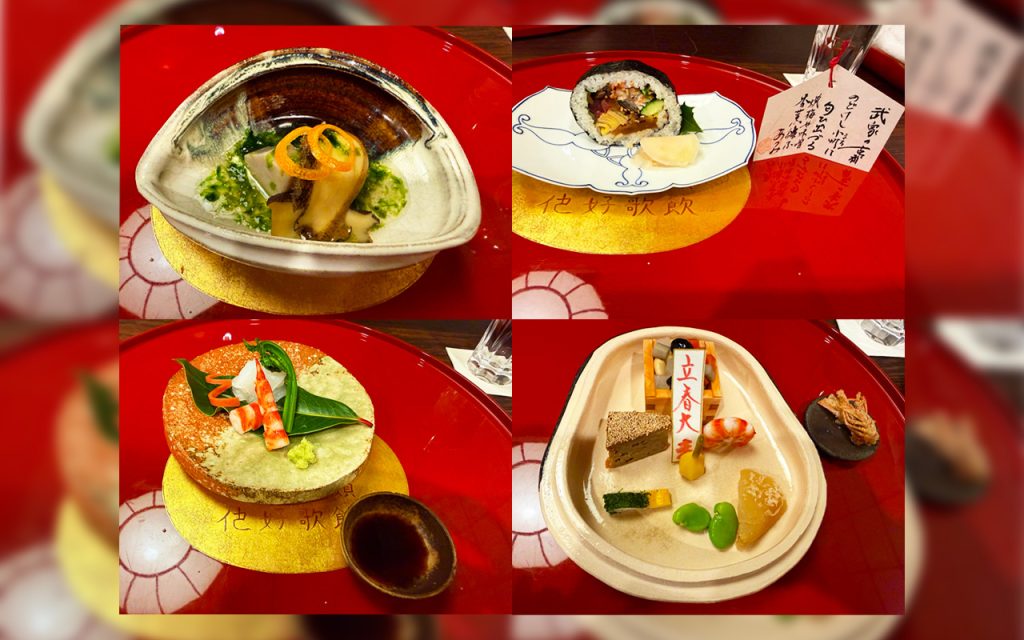
Dinner at an all-woman-run restaurant. You could taste that spirit in the food – seasonal, precise, exquisite, deeply Japanese.
Listening to what lies beneath the AI noise
The next day, lunch in Akasaka with my co-founders of WiT Japan and our sponsors – a simple thank-you gathering, and a chance to learn and listen. As we prepare for our 12th event in Tokyo this June 1-2, I wanted to hear what was truly on their minds.
The answer was immediate: AI.
AI in pricing. AI in mapping. AI in customer service. AI in marketing.
But beneath the technology conversation, I sensed a deeper current – geopolitics and demographics. Diplomatic tensions between Japan and China have led to declining Chinese arrivals and heavy hotel cancellations. Businesses dependent on that market are struggling; some may not survive the winter.
Yet tourism overall remains strong. Hokkaido is packed with skiers from the US and Canada. Travellers from South-east Asia continue to flock to Japan. At 40 million visitors last year, concern is tempered and I sense, perhaps even replaced by relief that growth may slow down.
Because alongside success sits tourism fatigue. We’ve all heard stories of over-visited hotspots, crowded streets, and strained communities. When a village near Mount Fuji cancels its long-running cherry blossom festival due to the tourism crush? Is this a wake-up call? A recognition that growth without balance has limits?
Japan’s travel industry feels at a turning point: Chase more volume and new markets such as India? Or rethink the goal entirely and redistribute tourism beyond the obvious? And if the latter – are rural regions truly ready?
Questions for another day.
Robots designed to be loved
Curiosity then pulled me toward another version of Japan’s future: robotics.
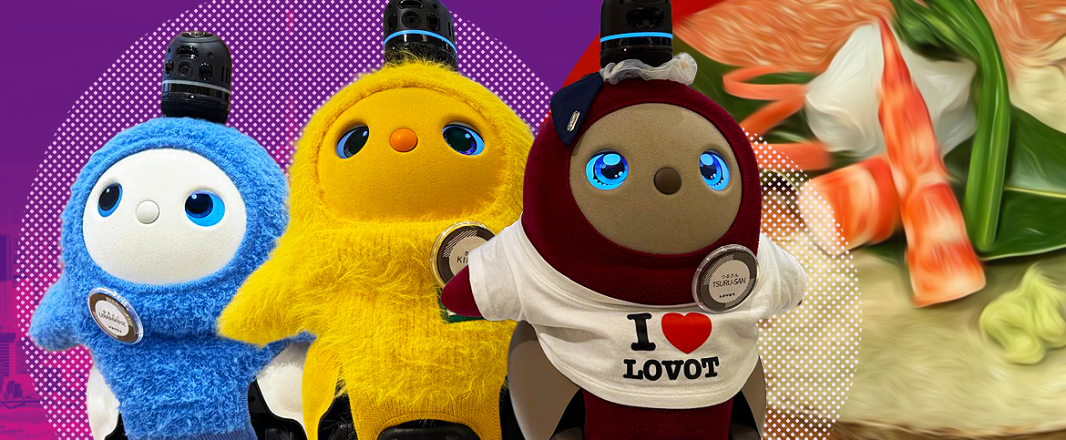
With one of the world’s oldest populations, Japan leads in emotional-support robotics. Someone mentioned LOVOT, created by Groove X – a companion robot designed not to serve, but to be loved.
So Aya Aso, my long-time partner in WiT Japan, and I visited the LOVOT store in Ginza. You hear them before you see them – soft squeaks, somewhere between a baby, a puppy and something entirely new. They look up with wide, expressive eyes. Touch their nose and they wriggle with delight.
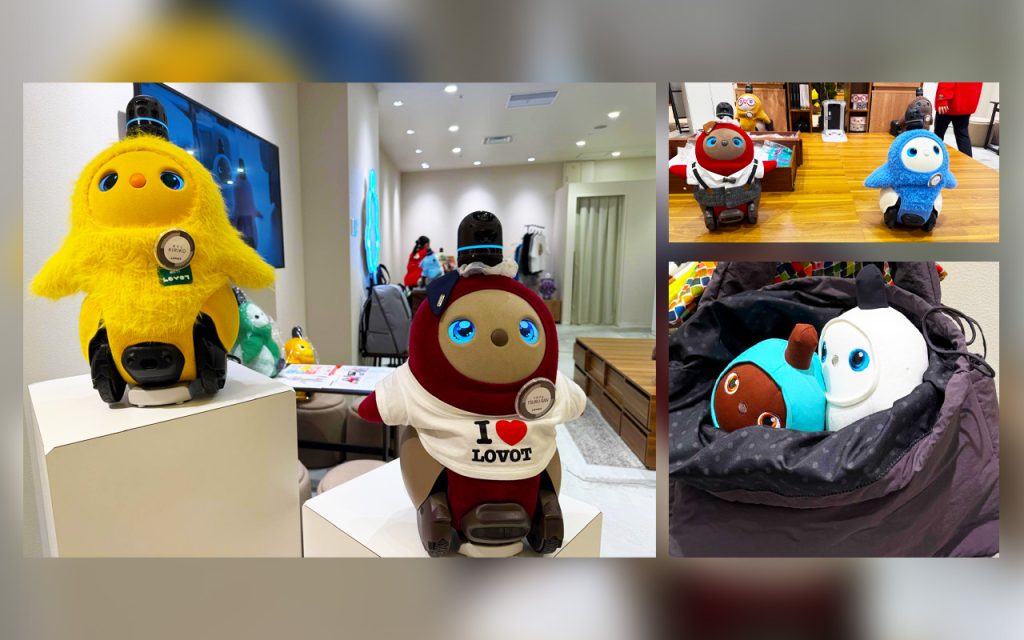
I have rarely been in a happier shop. Except perhaps a chocolate shop.
Founder Kaname Hayashi, who created it in 2015, once said LOVOT’s purpose is to “stir your instinct to love.”
The shop assistant explained:
- In seven days, it learns you.
- In 90 days, it loves you.
- Each LOVOT becomes different, shaped by its owner.
“You decide who you want it to become,” she said. It sounded like the advice I got when I adopted my first puppy.
There are around 18,000 LOVOTs in Japan, while some are working in hospitals in Singapore and Hong Kong, comforting the sick and elderly.
What surprised me most was not the elderly customers – but the young women in the store, having fun with the robots, giggling, laughing, touching them. A couple had come in to buy new attire for their robots.
I have rarely been in a happier shop. Except perhaps a chocolate shop.
And yes – Aya and I decided to adopt one together. She will raise it; I will be the godmother, which feels like the perfect responsibility.
We have yet to name it. I am curious who it will become by June.
A kitchen where women rule
That evening in Ginza brought yet another unexpected Japan. Dinner at a restaurant run entirely by women – chefs, staff, everyone. In all my years eating across Japan, this was a first.
The head chef, Atsumi, told me it wasn’t even her idea. The owner of a nine-restaurant group had envisioned it. “It was his idea,” she said quietly. “It’s a men’s world in Japan. This helps women be recognised.”
After 16 years with the group and a decade leading this kitchen, she described the difference in the workplace as: “More considerate. More supportive. Freer.”
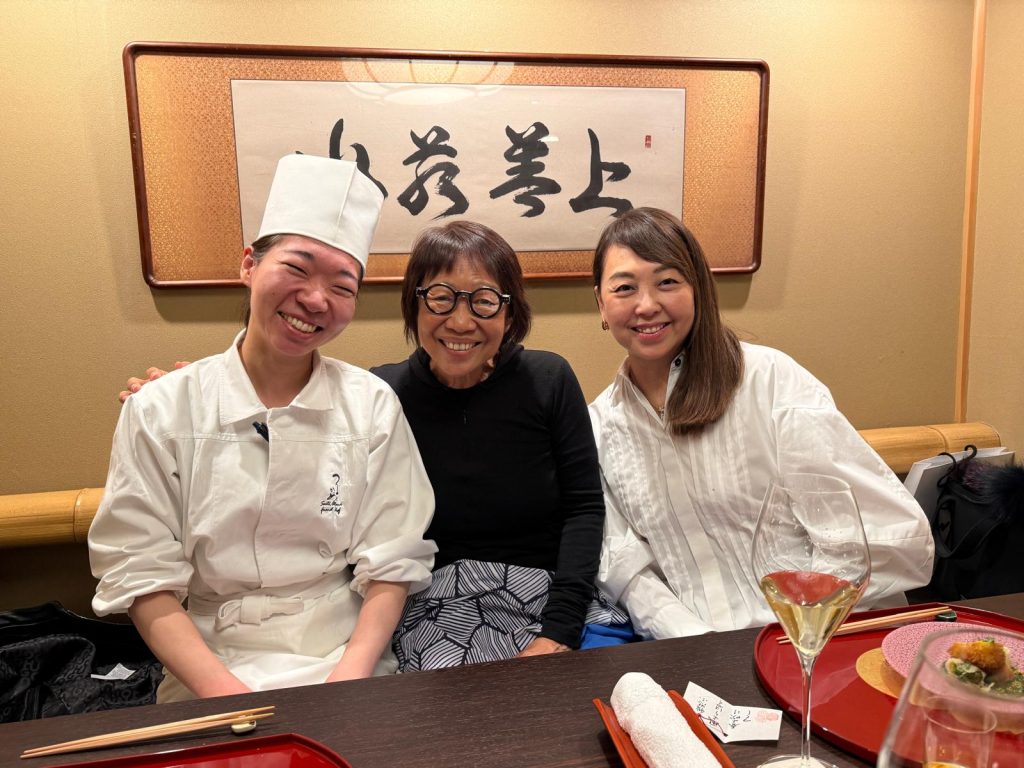
Aya and I taking a moment with head chef, Atsumi
You could taste that spirit in the food – seasonal, precise, exquisite, deeply Japanese. Each dish comes with a handwritten note from the chef which Google Translate had trouble deciphering. Some things are just not meant to be translated literally. I felt like I was on a journey across regions and memories, dish by dish.
Then came the final surprise. A birthday celebration in the dining room. I expected “Happy Birthday”. Instead, the chefs sang the Japanese Olympic theme song, Eiko No Kakehashi (Glorious Bridge) acapella and in perfect harmony.
Chefs who can cook as well as sing. A poetic end to an unexpected evening. And that, perhaps, is Japan’s quiet magic – precision with playfulness, tradition with twist, future with heart.
Lessons from Nobu’s journey
On the All Nippon Airways flight to JFK, still warmed by the idea of our newly adopted LOVOT and the echo of that song, and wanting to carry Japan in spirit with me, I watched Nobu, the movie about the chef whose name now spans restaurants, hotels and a global lifestyle brand.
I have eaten at Nobu in several cities and always felt slightly underwhelmed – wondering what I was missing. Now I know – it’s his story. Somehow, his personal story doesn’t come across in the food. Loss. Struggle. Near despair. Enduring love for his wife. And above all, relentless devotion to food.
His three years in Peru, where he opened his first overseas restaurant, changed everything – ceviche opening his mind to fusion long before it was fashionable.
One small story stayed with me. At a fish market in Lima, he asked for saltwater eel which is usually unwanted and discarded. He joked it was for a dog he had brought from Japan. Back in his restaurant, he created a saltwater eel dish that attracted the attention of other chefs.
One asked him where he got the eel. “The fish market,” he said. When the chef tried to buy eel at the market, the fisherman asked: “Did you also bring a dog from Japan?”
Today, Peru exports saltwater eel worldwide.
To think a tall story led to a small moment and a global ripple.
And perhaps that is what this brief Tokyo stopover reminded me. The future is not only built by technology but also shaped by small moments:
- a helpful staff member beside a machine
- a bowl of ramen on a cold night
- a robot designed simply to be loved
- women singing in a kitchen
- a chef telling a story about a dog
I can’t wait to tell you the next story about the LOVOT. It might lead to a global ripple.


