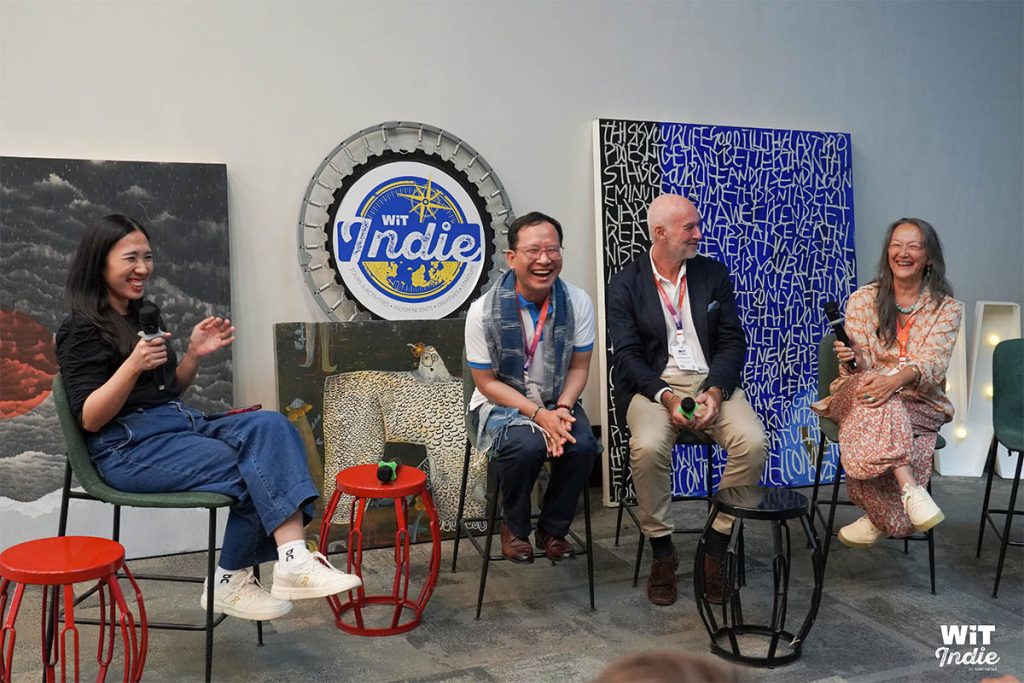
What’s your unique obsession? That was the question Jacinta Lim, co-founder and CEO of Seek Sophie, asked the audience at WiT Indie when she moderated the session on “The Experience Surge”.
It was a perfect set-up for a panel whose three guests have each done exactly that – built businesses out of their unique obsessions – Dara of Daraism & Artists, Andrew Dixon of Cempedak and Nikoi, and Rebecca Wilkinson-Duckett of Tiger Rock.
From selling on the street to building a cultural tourism company
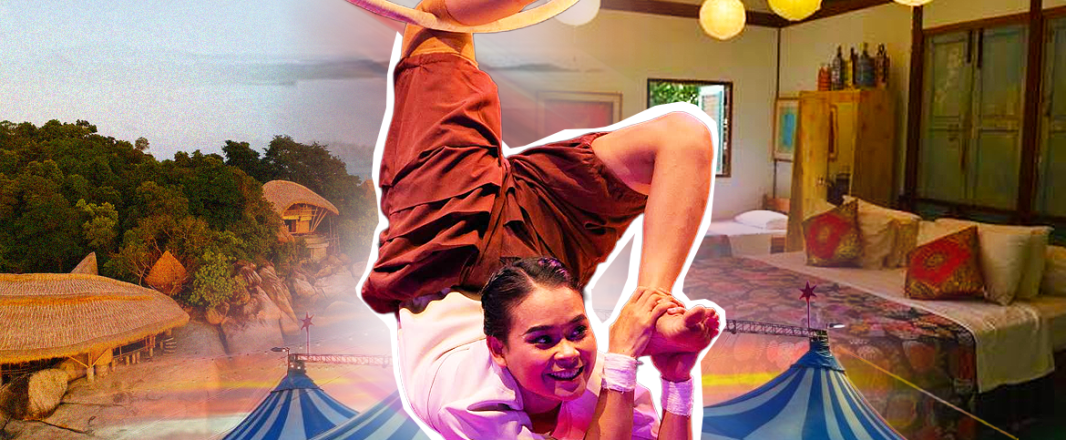
Dara’s path to hospitality began with an identity crisis – growing up in a Cambodia still working through the trauma and complexity of its own history. He spent over a decade building Phare, the Cambodian Circus, a social enterprise creating jobs for hundreds of young Cambodian artists, before leaving last year to build something of his own.
“I am a person with an identity crisis, because of everything our country has been through. Being in hospitality and tourism has given me an identity. Cambodia is about the collective learning experience of Cambodian people, and how we inspire the world through building our country to where we are today. My tours are blended with storytelling, and end with the artists, to inspire.”
The turning point into hotels came almost by accident: his uncle bought a villa and asked him to run it, without warning.
“I never thought in my life I’d run a hotel, though I worked in one for four years in sales. When I found out, I scratched my head trying to imagine how I was going to do this. But the guests who booked the hotel matched exactly with my own tour company – one guest booked five nights, then texted me and extended to 11, and booked my two other tour guides as well. The hotel became my open door to reach the kind of customer who fits my curated cultural company. Now it’s an ecosystem of things I have to make work together.”
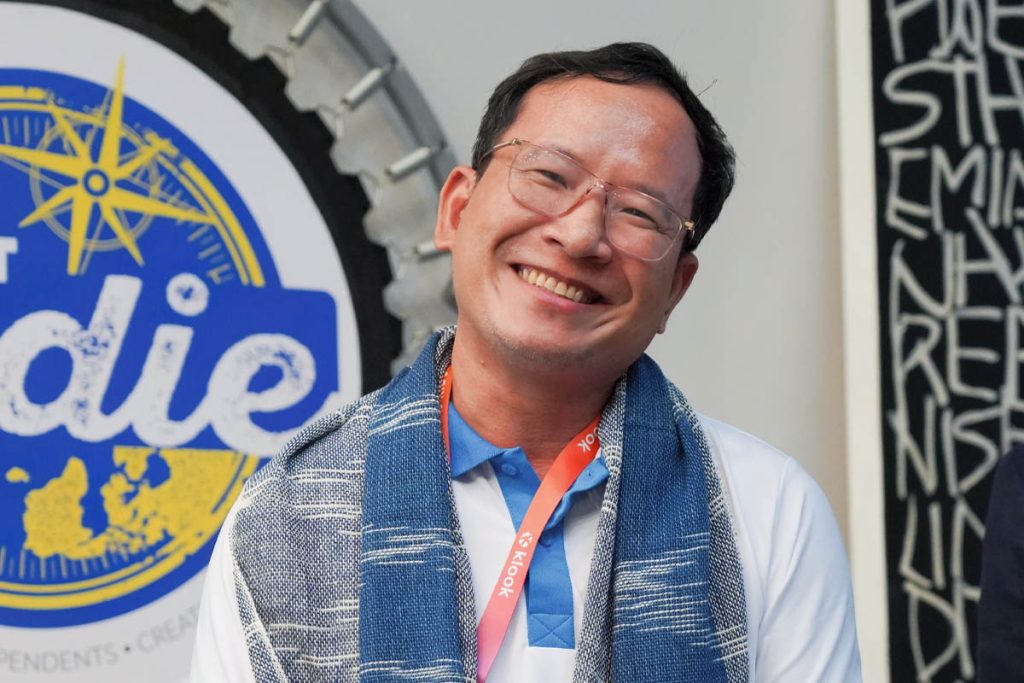
His signature experience takes guests into his own birth village near Siem Reap, weaving in his family’s story – including the accident that redirected his father’s, and his own, path.
“My father was village chief and head of the pagoda committee. There’s a story about why our family moved from the village into the city, connected to my father going into the jungle to gather firewood for a festival rice cake, and an accident that broke his back. That’s why he left village life so I could be educated in Battambang. These personal stories are part of the journey – it’s not a soul-searching sad story, it’s a transformative one, and it lets travelers appreciate how a young Cambodian like me got to where I am today.”
He also stages a village festival built around a local art school, centred on a UNESCO-recognised intangible dance heritage.
“The local art school becomes a festival site – tourists take part in cultural activities and a dance masterclass, part of Cambodia’s UNESCO intangible cultural heritage. Once they understand the meaning behind the movements, they appreciate the dance performed by the students.”
Building from a family’s own land
Wilkinson-Duckett’s story started on Malaysian plantations, where she grew up the daughter of an artist father who had his children painting and journaling from an early age. Tiger Rock, on Pangkor Island, grew out of a decision she and her husband David made to leave Kuala Lumpur and build something on 14 acres of former rubber smallholding.
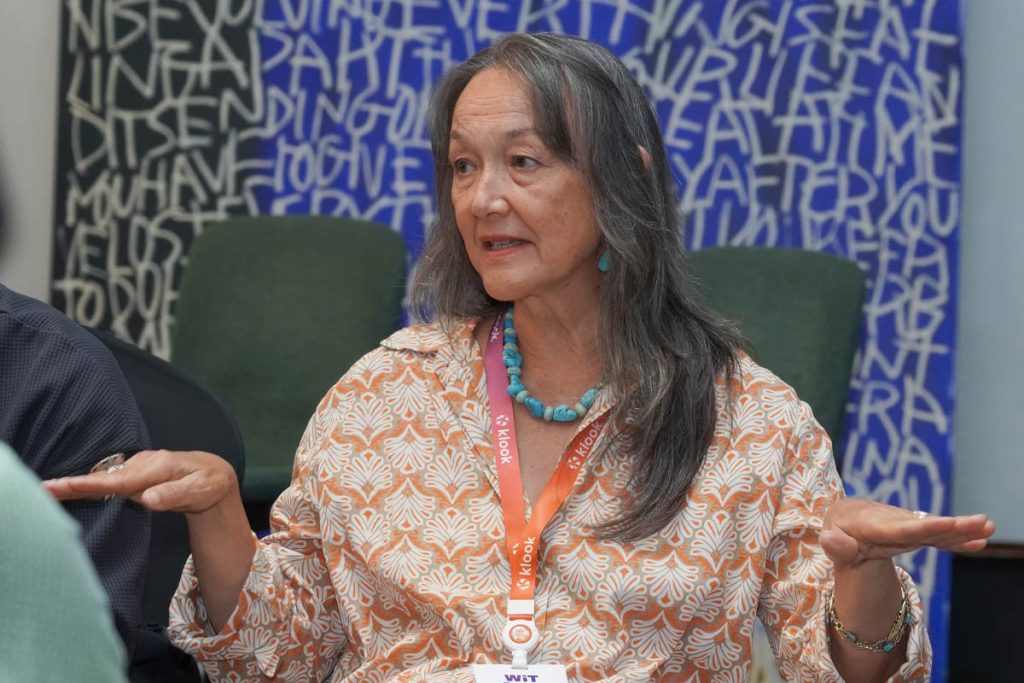
“We built the house with the help of local villagers – the Malays built the Malay-style house, Chinese contractors built the main bridge, and then we added the colonial-style house and pool. We did it for ourselves, as a business to run while we lived there – we wanted our kids out of Kuala Lumpur, and David wanted to give them something of the plantation childhood he’d had himself. Over the years it’s been run very much by a local family from Pangkor, our hosts and chef, who look after guests. It’s still very much a home for us, one that happens to be open to guests.”
The odd one out: Building from scratch on someone else’s island
Unlike Dara and Rebecca, Dixon didn’t grow up on Nikoi island. His route into hospitality started with family holidays and camping trips to the island, and a former career in banking.
“It started as a bit of a side project – I was in banking, not really planning to be in hospitality. A lot of what we ended up creating came from trying to put ourselves in the guest’s shoes, to build an experience we would enjoy ourselves, tied closely to the local environment, community and culture. We didn’t really know what we were doing as we started – it moved slowly.”
Dixon’s resorts now run artist and writer residencies, a fully-acted murder mystery, turtle walks and black soldier fly composting tours. Asked whether these were built as a competitive strategy, he said the guest experience always came first but conceded the side effects have been considerable.
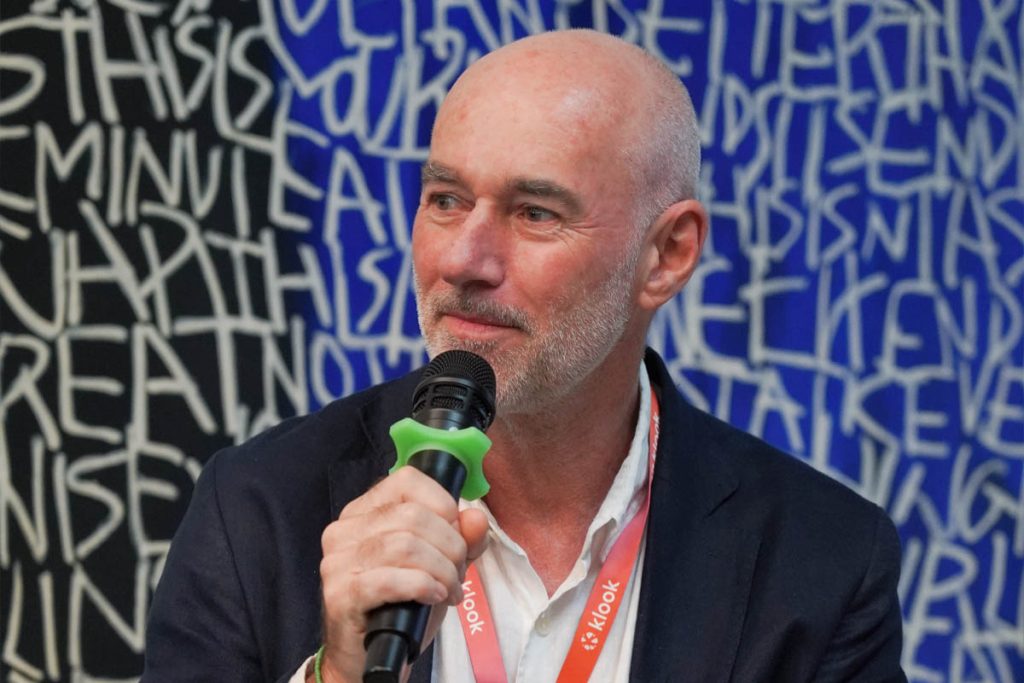
“It definitely allows us to stand out. But we do it foremost for guests, so they go away with something different – that’s number one. It does create real interest among journalists, though; our writers’ and artists’ residency has gotten us into travel media in a really compelling way.”
He said the unplanned benefits went beyond press – into his own team. “It wasn’t the main reason we did it, but another side benefit is what it does for staff engagement. The other day I walked past the artist’s residency and my GM and my executive chef were both in there making art. I thought, whoa, what’s going on here.”
Adding to the discussion, Wilkinson-Duckett said her own sprawling list of concepts – Tiger Rock, Tropical Spice Garden, Tiger Blue in Indonesia – came from a similar place: never a deliberate business plan, always a personal impulse followed through.
“They were never done deliberately to make a business – they were a good idea, and we thought, let’s go for it, and then, oh, now we’ve got to pay for it. Each one happened very spontaneously. It’s been exciting and fulfilling, because we’d never have gone on those journeys if we hadn’t built them ourselves – it was all part of our own self-fulfilment, and it became these small, very specific businesses.”
The thin line between authenticity and performance
Lim raised a tension she said she feels as a traveller herself – that village visits can tip from meaningful into intrusive. Dara said the safeguard is restricting numbers.
“I keep group sizes to a maximum of 10. Along the way we stop at homes, including my own, where my mother still lives – she’s aware and welcomes guests, and there are photos of me since I was young. We also visit a retired professor who’s happy to share coconut juice with guests and admire the architecture together, and we end at a pagoda, learning a small number of dances and joining the dancers ourselves. Nothing is staged – no one performs for you. I make sure we’re not intruding into people’s lives. The village home visit is only ever done by me, personally, and can’t be scaled but the village festival, held at the local art school, can be, because it involves the wider village’s children.”
Asked how she balances keeping experiences financially sustainable with staying accessible, Wilkinson-Duckett said, “It’s a genuinely difficult issue. As you get older, you want to give back more – I want to sponsor Malaysian artists who haven’t left the country to experience a different environment, through our place in Italy as well as Tiger Rock. Pricing that properly is hard.
“Sometimes we forget, in our own little cocoon, how incredible Pangkor itself is – the food, the local fishing village, the breakfast culture, the fishing jetties. I want to bring guests closer to that, and bring the whole thing back to my own core passion: art, nature, culture, and my love of Malaysia. There’s a sense of nostalgia in it for me too – Pangkor is a little microcosm of Malaysia, and I want to hold onto that.”
Attracting the right guest without chasing them
Nearly 20 years in, Andrew Dixon said his most distinctive guests were never actively marketed to – the product itself does the filtering.
“Our guests found us, rather than us finding them. We’re an unusual product – on an island, driftwood-built villas, no air conditioning, no TV, plenty of bugs, the sound of fishing boats at night. It’s not going to suit everyone, but it suits the curious – people who want privacy, a boutique property, and an interest in the culture and community around them.”
Dara took the opportunity to ask Dixon about distribution. His response: “Focus on the guest experience. If you let people leave saying, wow, I had a great time, they’ll do your marketing for you – it just takes a while to build. We don’t use online travel agents.
“And look after your staff – the hotel industry generally doesn’t do this well, and COVID was a classic example. It’s not just salary, it’s the training, the investment in their future. Staff are the most valuable asset, and in most cases, they walk out the door every day undervalued.”
He recommended one book on the subject: Unreasonable Hospitality.
Conclusion: Tips on how to build meaning
Asked for the one thing an indie hotelier should do tomorrow to build something meaningful and authentic, each panellist’s answer traced straight back to their own story.
Dara: “I’m currently building meditation experiences, partnering with Buddhist monks and other gurus, linking them with healing and cultural immersion. My advice to any independent operator: find your own colour, and build your packages and experiences around it.”
Dixon: “We’ve had a lot of success working with genuinely passionate people – our writers’ residency is run by Ken Kwek, our artist residency by two others, our murder mystery by a whole creative group. Finding those people, and letting them lead an experience they’re passionate about, takes it to another level.”
Wilkinson-Duckett: “Sometimes you just have to take a big risk, follow the passion, and give it a go – because if you don’t, you’ll never know whether it would have worked. It’s worth it, no matter the end game.”