With markets in North Asia bottoming out and starting to recover, while markets in South-east Asia remain muted, Klook has launched a multi-stage recovery programme to address customer needs in both phases.
In fact, Eric Gnock Fah, COO and co-founder of Klook, is optimistic that in markets where restrictions have been eased, recovery could come faster than expected. “People are going out, spending, exploring. The pick-up has been earlier and faster than we had anticipated.”
In the past two months, in addition to having had to cut up to 300 jobs, the company has been doing some heavy lifting to develop product lines to address what it calls the multi-stage recovery of travel. Efforts will be rolled out based on the unique needs and conditions of the markets, it said.
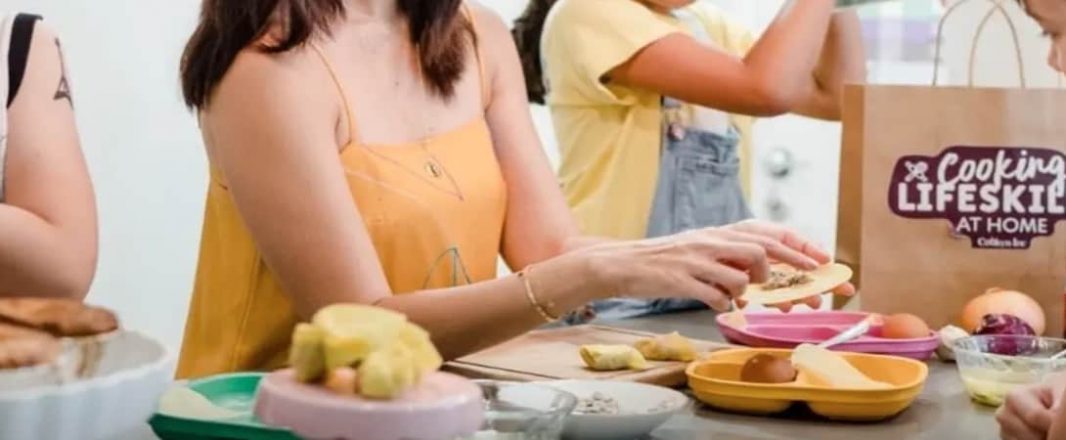
To address markets still in some form of lockdown, it has launched Klook Home which offers almost 200 home-based experiences such as Do-It-Yourself (DIY) craft and cooking kits, online workshops, as well as free virtual tours.
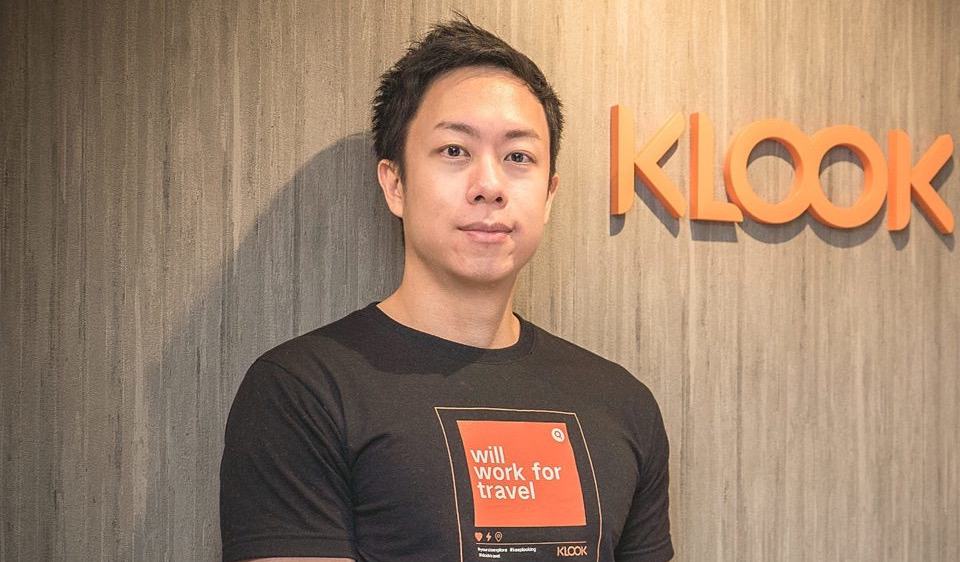
Said Gnock Fah, “We want to offer an alternative to food delivery. Other than virtual experiences – such as of attractions and zoos – we are offering DIY kits around food and dining, and entertainment. For example, you can have a Korean barbeque at home and we provide the utensils and specially prepared food.”
In Singapore, some of the experiences include bubble tea making kits – The Whale Tea, Cooking Lifeskills and Terrarium DIY Home Kit.
“We anticipate that even in markets where people are allowed to go out, some will still wish to stay home because people will still be very careful about socialising,” he said.

For markets such as Hong Kong, China, South Korea, Taiwan and Thailand, where domestic tourism is beginning, it is starting with local experiences (home-based experiences; weekend things-to-do within the city; and domestic travel experiences). The aim is to capture local demand first, followed by offerings based on intra-regional travel corridors, as global market conditions gradually improve and travel restrictions ease.
Based on Klook’s search data in April across APAC and Europe, about 60% of the total number of searches are related to domestic experiences.
Markets with stay-home regulations such as Singapore and the Philippines will be able to tap into home-based activities from Klook Home, while markets that have eased stay-home orders such as Taiwan and Hong Kong can leverage Klook’s list of local activities within the city or other cities. Klook’s domestic offerings encompass weekend city things-to-do such as local attractions, staycation packages, movie tickets, and underexplored off-the-beaten-path activities.
Earlier in April, Klook piloted a curated list of local, unique experiences ranging from outdoor tours and activities in South Korea and mainland China with encouraging success. Based on Klook’s April booking data, the number of bookings in South Korea and mainland China increased by almost 2-fold and 4-fold month-on-month respectively.

Most notably in markets where recovery is on the mend, about 80% of searches in markets such as Taiwan and Australia were purely domestic in April. Hong Kong observed a similar trend, with 70% of its total searches solely on domestic experiences.
Gnock-Fah said there’s a clear preference among consumers for outdoor experiences and hyper-local activities. In Hong Kong, there’s growing popularity in cruising to the outer islands. While he admits that the domestic market in Hong Kong is small, he said there’s hope that the corridor between Hong Kong and Macau might open soon.
In Taiwan, Klook partnered with the local governments of Tainan and Pingtung in March and May respectively to help traditionally offline merchants, enabling these offline operators to digitize their travel activities and monetize their offerings.
It also rolled out Klook Partners Hub, a resource centre to help merchants keep abreast of the latest updates from the travel industry and Klook’s platform. It is also launching Klook Academy, an initiative to help merchants optimize their travel products and services better in the new normal of travel. Klook Academy will offer workshops and webinars touching on a wide range of topics that can help their business, ranging from marketing to operational excellence.
Gnock-Fah admits the past two months have been tough as it had to adjust the business, and realizing there would be no travel in the immediate months. “However it’s not like we operate flights or hotels. We are in the business of things to do and that’s still relevant. We can support local businesses and there are merchants that are pivoting to local customers as well, that we can help.”
In April, Klook acquired car rental firm Huizhuche and he sees this as an important part of the strategy to re-ignite domestic tourism. “We see interest in self-drive holidays in Taiwan, Japan, South Korea and Thailand. People will travel in smaller groups and prefer smaller accommodation.”

Klook launched its private car rental page earlier in May. The launch of the dedicated page, available in English, Chinese and Korean, enables users who prefer to explore the open road in small groups to better access, browse, and book their own private cars.
Acknowledging that car rental is a competitive segment – Hertz has just filed for bankruptcy – he said, “The supply is quite fragmented, similar to experiences, and car rental has so far been run by big guys, maybe we can do a better job, maybe car rental will look different from how it was.”
He said Klook would put more efforts in Japan, Taiwan, Thailand and South Korea. “We have stronger supply than global platforms in these markets, and these are pockets of opportunities that other companies are not focused on.”
While there are those who question the wisdom of expanding into other sectors when companies should be re-focusing on their core during Covid-19, Gnock Fah said, “Yes, you should look at your bread and butter but you also have to be realistic to look at growing opportunities in the immediate future. If you see that if the ceiling is a bit low and you have to financial resources, you should go for new opportunities. Because we are smaller, we can be more agile.”
Agreeing that this is “the fight of our lives”, he told WiT, “Any hardship is nothing compared to this. We felt lucky that for the last five years, not much has happened, and this thing happened almost overnight”.
The toughest part was cutting jobs and putting staff on furlough “although we are bringing back some staff”, he said. “We are seeing some markets rising and government policies being put in place. Every week, we have our Covid task force meeting and we are seeing pick-ups for the next three to six months. Confidence is stronger.”
• All images credit: Klook