
“We’re on the brink of a new world as the old world comes to a hard stop. Fortify and brace yourself”
I got back 11.30pm, March 15 from Penang, Malaysia, 24 hours, before the deadline when the Singapore government issues 14-day stay-home notices to “people who enter Singapore with recent travel history to ASEAN countries, Japan, Switzerland or the United Kingdom”. (It comes into effect at 11.59pm tonight)
The recent spike in imported infections clearly made it necessary for the Singapore government to further lock its borders with its neighbours – the new order does not apply to land or sea crossing from Malaysia. Remember, up to 300,000 Malaysians enter by land to work in Singapore everyday and authorities say a different arrangement will be made. I can’t imagine what.
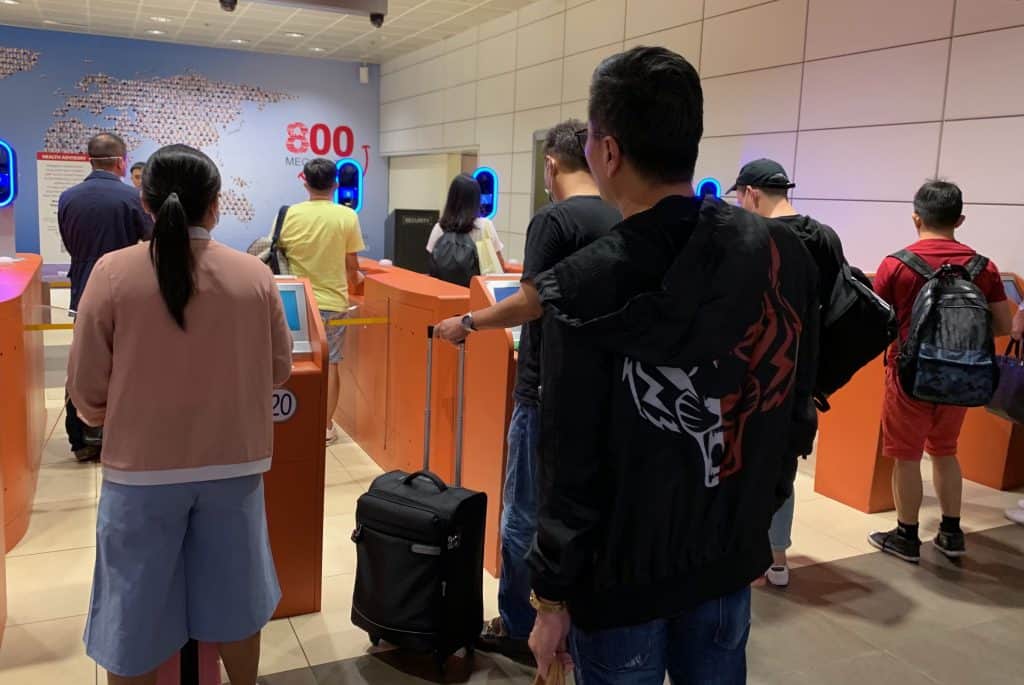
The airport was the busiest I’ve seen it in recent weeks. A Swiss flight departing for Zurich was packed as travellers rush home to beat their own government’s lockdowns across Europe. Immigration was full of people like me, rushing back to beat the deadline.
The minute the new restrictions hit the media, Singapore Airlines’ mobile app, website and call centres were jammed. I tried for two hours to change my flight. A message to PPS Connect (the frequent flyer hotline) got the response that “sorry, all our customer service representatives are currently busy”.
For Singapore, this order on travellers from ASEAN is a painful one for its tourism industry – not only have three of its biggest sources of travellers been taken away (China, South Korea and Japan), now its neighbours, the ones that could spark any early recovery, remain out-of-bounds.
But as Singapore’s Minister of Foreign Affairs, Vivian Balakrishnan, said in this interview, ASEAN is one hot zone because of how connected the countries are, and intra-ASEAN travel forms the majority of travel in the region. If it’s not solved within ASEAN, it cannot be solved within Singapore.
I suspect last night’s activity in Changi was the last big rush for a while. For now, we are all truly grounded as Planet Earth goes into lockdown against a virus that has proven how global and inter-connected we truly are. I know all of us are in shock as we watch the industry we love come to a crashing halt and our right to travel taken away.
We now have no choice but to stay grounded and figure out how to survive this personally and professionally.
That was the main thrust of discussions at WiT Indie which took place in Penang on Friday, March 13. We followed all the local advisories, did temperature checks and had health declaration forms filled, organized seating and meals around current precautions and did our event safety briefing to the estimated 100 who showed up and stayed for the day.
Here are the key takeaways from a group of outsiders who came together to form a community around survival and recovery in travel.
1. Focus on cash flow, cut costs, do it collectively
There was no fudging of a difficult topic – how do you remain solvent when your business has dropped 50, 80, even 100%? Small businesses have a tougher time with cash flow so this topic was addressed head-on. Muster your reserves, cut costs, move some to variable … the pain though must be collective, so gather your troops and discuss jointly what can be done, and take the bitter medicine together.
As Kei Shibata, CEO of LINE Travel.jp said in Episode 2 of the WiT Podcast, the opportunity to come out of this are stronger teams, forged and fortified in crisis.
I asked if VCs, who have profited from the travel rush in the last decade, could set up a fund to help startups and SMEs through this, but it was felt this was something private VCs could not do. However it could be something government-backed organisations take up, which Aaron Sarma, head of digital strategy, MDEC (Malaysian Digital Economic Corporation), said could be looked into.
Perhaps this is the time for all those incubators and accelerators, private or government-funded, to be tested and see what support they will give startups in need?
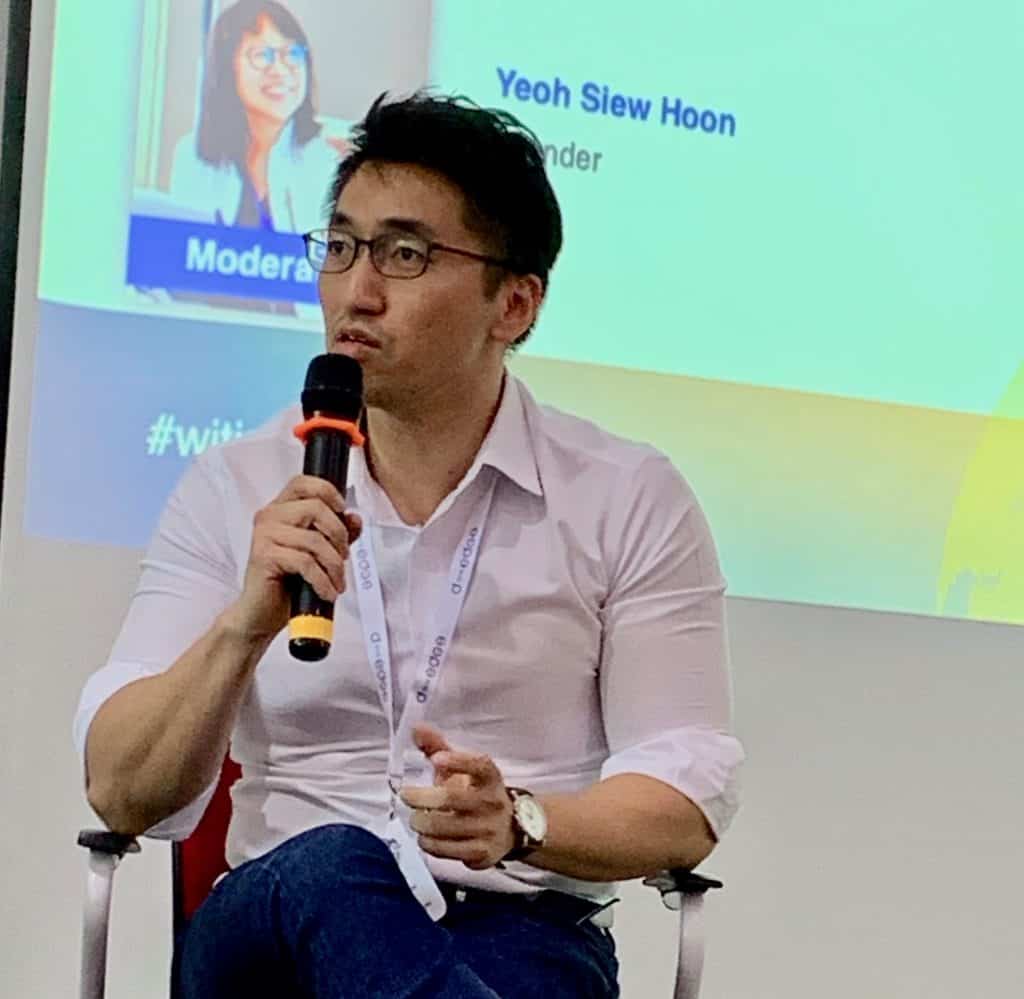
VCs also can do their bit and make their resources available to startups. Bennett Lee of Velocity Ventures, which has a Travel & Hospitality Fund, said, “We are still investing.” It has invested in hospitality tech (IDEM Hospitality) and food tech (Lumitics) and is exploring co-living and co-working.
Lee said this could be the time perhaps for crazy ideas, ideas that would have once been dismissed. For example, he recalled a startup that pitched the idea of a robot tour guide. “Now it doesn’t seem so crazy.”
His tips for survival:
• Plan for at least 12 months’ runway and free up cash flows for worse case scenarios
• Fully communicate and be transparent with your team about the challenges and set up crisis management teams if need be. Treat your people right.
• Reflect hard on how to value add clients and take this opportunity to stress test business models, product and processes
• Be extremely nimble and radically adaptive to changes. There will be new business opportunities during this period.
2. Time to do hard reset
Shen Loh-Lim, executive director, Cheong Fatt Tze Mansion, Penang, sparked a critical thought when he recalled how in 2015, when he took over the family business, he had to do a hard reset on the business.
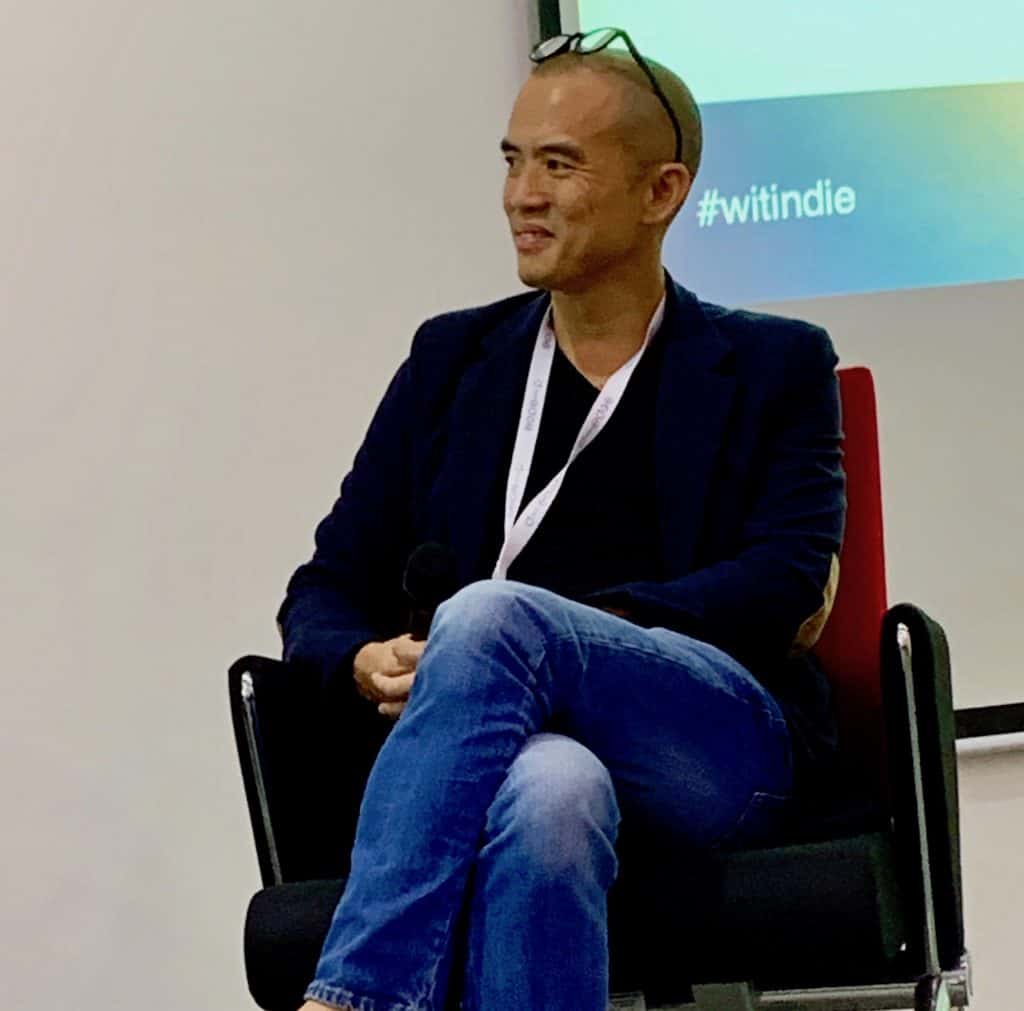
He went through a thought process – what are we? Are we a tourist attraction? A museum? A hotel? A restaurant? He then homed in on the differentiating factor – authenticity – and built up according to that principle. In tandem, he implemented a digital strategy. Having worked in e-commerce and marketplaces before he got the call from Dad, he was well-equipped to layer on digital over the heritage experience, from being super data-driven to revenue management and content marketing.
He said this crisis was a good time for everyone to do a reset on their business.
I couldn’t agree more. In good times, when things come too easy, you don’t think too hard about what you are adding on and you grow and grow until you lose sight of the core with which you started.
It’s a good time to ask the question, what are we? What do we really want to be? And rebuild your business according to the answers you find.
Personally, because we will all have lots of time in self-isolation or staying at home, we should also ask ourselves some hard questions. What new skill can I pick up? How can I emerge a better version of myself?
3. Be nimble, be creative, be proactive
Be like cockroaches and move fast. If you have training content, that you deliver face-to-face, develop videos or do them virtually. Christine Tan of D’Edge Hospitality Solutions shared an interesting anecdote in this WiT Podcast about how one of her sales staff, when he couldn’t travel to meet his customers, made a video of himself doing the sales pitch and got a response almost immediately.
Keep your brand alive by creating interesting content, and use data to guide you when it’s time to do those flash sales and promotions. Be proactive and create unique experiences to capture customers’ interests and intent.

Emily Tan, head of marketing, Malaysia, of Klook, shared ideas about how operators could use Klook’s data to create specific experiences – she cited the Game of Thrones movie, but I could also see similar interest being sparked by popular K-dramas such as “Crash Landing On You” or “Memories of the Alhambra” – both on Netflix by the way, since we all have time on our hands.
Companies like Klook are out there, with their antennas switched onto customer interests, and could provide fertile ground for ideas around products and services that tap into an interest at a particular time. But you have to move fast.
Tan said it was usually Klook who approached the operators with ideas. Maybe it’s time for indie operators to become more proactive to save their businesses.
4. Think about how to sell travel differently
When people start thinking about travelling again (and this will happen in waves across the world), we need to re-calibrate how we sell places, products and services.
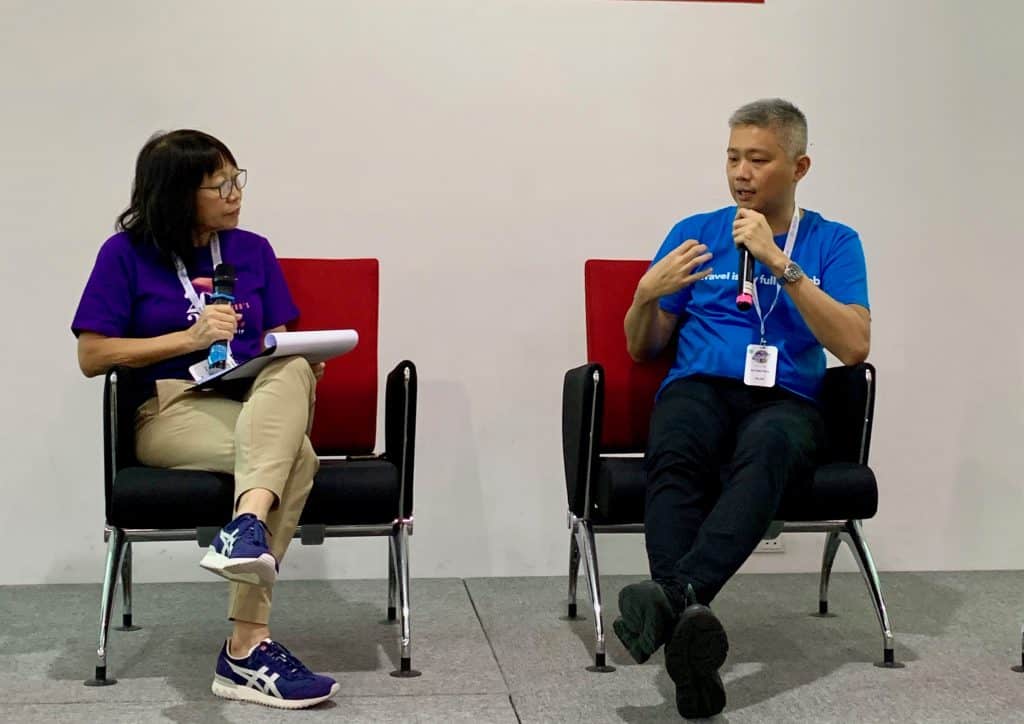
For example, Ooi Chee Teong, senior director, international flight business, Trip.com Group, brought up the idea of selling airlines according to how they were cleaning their aircraft. Carriers that were taking special measures ought to be rewarded, he feels, and if there were internationally-accepted guidelines around cleaning measures, that would help OTAs rank them.
Could this be a new criteria for customers choosing airlines when we start flying again? And for hotels? And for meeting venues? It applies across the whole value chain.
Ditto with destinations. Singapore has launched its CleanSG initiative, which calls on all Singaporeans to adopt good personal and environmental hygiene habits. It also calls on organisations to adhere to sanitation and hygiene checklists by authorities.
Will destinations be chosen for their cleanliness factor, post-Covid 19? Will destinations that are more remote and where social distancing is the norm, not the exception, be most sought-after?
5. Be kind and compassionate, and stay focused on future opportunities
Reza Cockrell, director, Pacific Tiger Group, when asked the question about a collective fund to support SMEs, said candidly most investors would be focused on their own portfolio first. “For us, it is to make sure our companies are alright, and we protect employees. Employees come first.”
I sincerely hope this is how all organisations, especially the big ones, are thinking. They have profited from travel, now’s the time to stick by the people who helped them fly. Again, to quote Christine Tan of D’Edge in the WiT Podcast, “this is the time for us to live up to our purpose”.
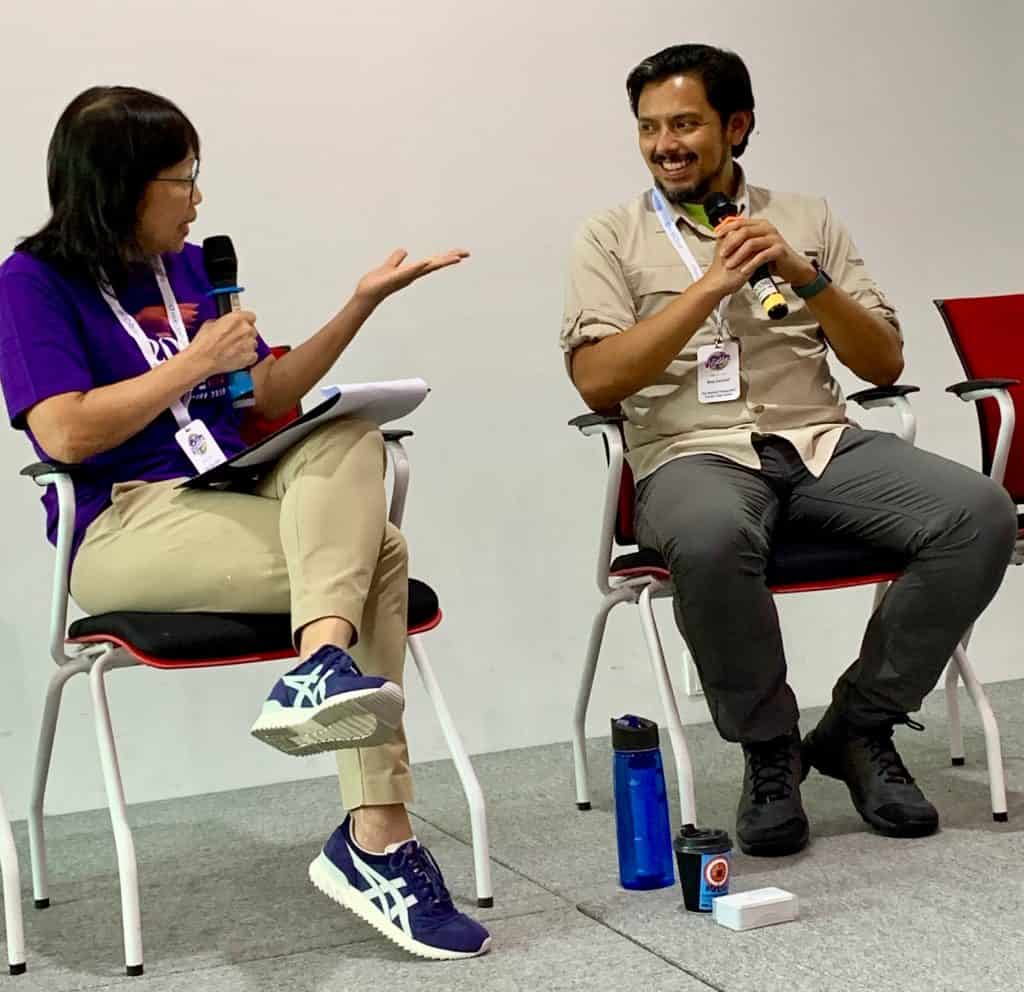
Cockrell, who is also founder of The Habitat Penang Hill, spoke about how getting involved in the nature conservation park, a project started by his father, has changed him as an investor. The challenge of creating the park, whose budget ballooned from RM3 million to RM30 million in the decade it took them to build, has certainly brought out a fire that probably he didn’t even know he had.
Speaking of the moment when days after they had completed building and a landslide happened that took away half the hill, Cockrell admitted that was the first time he cried and “most investors would have walked away”. But he persevered.
The experience has taught him to look at investments differently with an eye on sustainability and PTG, a family fund, focuses on impact-aligned investments, based on the triple bottomline. It has created The Habitat Foundation under which the park falls and it is keen to take its model of sustainability (including financial) to other parks in Malaysia.
Clearly, PTG which owns PTG Food, which is into manufacturing and production of high quality foods with companies such as Eat The Kiwi, Green Mount Foods, New Zealand; and Croissant De France, has also been hit by Covid-19, as it supplies to hotels.
But Cockrell is excited about the future of food tech and food security. “It’s already happening. This crisis will accelerate it.”
Not to forget, health tech of course. And e-learning, virtual events, new channels of communication, digital currency …
We’re on the brink of a new world as the old world comes to a hard stop. Fortify and brace yourself.
At WiT Indie, we asked speakers and participants to contribute ideas for survival and recovery. Here’s the WiT Indie 2020 Survival & Recovery Capsule, created by everyone who took part in the event.
• Featured image credit: Ultima_Gaina/Getty Images
• WiT Indie images credit: Corinne Wan