By Manuela Schwab
“The key is to set realistic customer expectations, and then not to just meet them, but to exceed them — preferably in unexpected and helpful ways,” says Virgin Group founder Richard Branson.
The two words “unexpected” and “helpful” sum up the opportunity for every brand that aspires to delight its customers with great service. Along with the advancement of communication technology, customers’ expectations are constantly changing. In this article, we identify some of the trends in customer service and how the travel industry can adopt them.
Customers today expect personal interaction in real-time
According to a survey from RightNow, 89% of customers have stopped doing business with a company after they experienced poor customer service. But when is customer service seen as “poor” and what do customers expect today? It’s certainly not enough that service agents are just friendly to their customers. With the development of new technology, service expectations have risen. Today, customers use different online channels for private communication and they expect companies to offer the same channels to get in contact with them.
“Customer service has to match the individual needs and wishes of customers,” says Fiona Brady, Senior Customer Operations Manager at CarTrawler. “The challenge is to build trust by delivering a personal experience. This has a lot to do with the way you get in contact with your customers, especially in a time where you don’t book a journey in person with an agency any more, but online.”
A personal experience requires consistent service. A recent survey from the International Customer Management Institute (ICMI) has shown that 60% of customers move between different contact channels, depending on where they are or what they’re doing. “People expect an omni-channel service in return as they see a brand they’re communicating with, not a department. A customer who had a conversation with us on Facebook then expects a call centre agent to be informed about it,” says Fiona.
In times of social media, mobile and 24/7 support, response times also make the difference. According to the survey, two-thirds of customers expect a response to their query on the same day when asking about a product or service. Over 40% expect a reply within one hour.

Trends in customer service
Messenger apps
Travel brands are now looking for new ways to provide customers with a real-time, personal interaction. Messaging apps like WhatsApp, Facebook Messenger and WeChat are becoming credible business tools.
In January 2016, WhatsApp founder Jan Koum announced that the company was testing new tools for communication between organisations and customers, particularly in the travel branch. This means a more robust customer service for brands. This year, KLM became the first travel brand to test a rebooking service via WhatsApp. Passengers on connecting flights to Schiphol Airport in Amsterdam who found that their next flight was cancelled due to severe disruptions like an ash cloud, earthquake or closed airspace had the chance to use WhatsApp to rebook their flight, instead of having to wait in a queue.
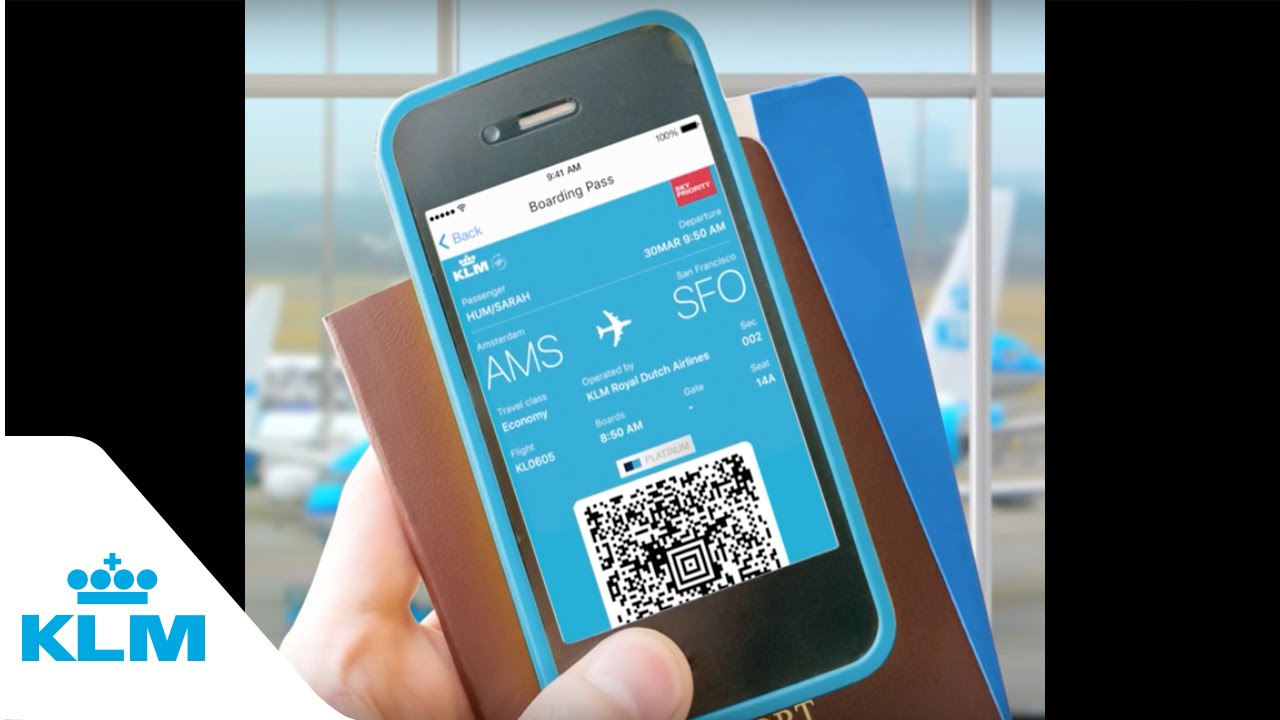
Furthermore, KLM announced in March 2016 that it would be the first airline to offer passengers flight updates through Facebook Messenger. Facebook allows businesses to directly integrate Messenger on their websites, enabling customers to receive Push Notifications directly on their phones. KLM passengers can get their booking confirmation and notifications about scheduling changes and the flight’s status via the app, as well as their boarding pass. “We are seeing an overall growth in one-to-view communication. More and more of our customers feel comfortable sharing info with us via a more personal platform,” says Marieke Eestermans, Manager of Ancillary Commerce AMS/SZ with KLM.
Air France has become the first non-Chinese airline to reply to its customers via WeChat. This instant messaging mobile application has 600 million monthly users worldwide, and is particularly popular in China. Customers can use it to send queries regarding seat selection, ticket rebooking, reservation cancellations or excess baggage. The service is available in Chinese and English, and the airline tries to reply to demands within one hour and deliver a solution within 24 hours.
Self-help customer service
Self-help customer service is gaining in popularity, as it provides customers with the information they need in a quick and efficient way. According to the latest Global State of Multichannel Customer Service Report from Microsoft, more than 90% of 4,000 consumers surveyed said they expected brands and organisations to have a customer self-service offering.
While FAQs are still essential on a website, automated customer service is becoming a more prevalent feature. For example, Alaska Airlines has introduced virtual agents to help customers in real time. On Alaska’s homepage, a virtual agent named Jenn replies when travellers type in a question.
Jet2 also uses a web chat function. Its “Specialist Travel Advisor” helps customers to book a flight, and offers a controlled and dynamic customer experience. “The web chat option we offer customers has gone from strength to strength since its introduction in 2012. At first this was only available to direct customers on the Jet2Holidays website, but we now offer this service to travel agents and Jet2.com customers,” says Sarah Simpson, General Manager of Customer Service & Business Projects at Jet2.
In contrast to web chat, American Airlines provides a phone service to their customers. Their AAdvantage members who register with the “Remember Me” program can call at any time from their registered cell phone and proactively receive information about upcoming travel reservations.
“Customers are becoming more and more independent. They tend to search themselves for the information they need rather than calling a ‘real’ customer service agent and running the risk of waiting on hold,” says Fiona. “We noticed international differences here: from our experience, Nordic customers generally are more than happy to self-serve and do their bookings independently. In contrast, Italian and Russian customers usually like the human interaction and prefer to call an agent when there are questions with a booking.”
Social media – turn your critics into fans
Social media continues to play a central role in customer service as Facebook, Twitter and other online channels are more and more frequented by people enquiring about services, and sharing their thoughts and complaints.
“If you manage to reply promptly, show understanding and find a quick solution in a transparent way, you can turn your critics into fans and also impress your other followers,” says Alicja Kisio, Social Media Specialist at CarTrawler. Additionally, interactions on social media give a brand visibility, with more mentions and activity leading to better SEO rankings. With more than 1.2 million likes on Facebook, German travel and tourism company, TUI Group is a good example of a company successfully marketing through social media.
KLM also has a clear social strategy: “We believe we should be where our customers are. As of April 2016, we have over 22.5 million fans and followers on various social media platforms. Through these channels, we receive more than 100,000 mentions every week. A dedicated team of 200 social media service agents personally engages in 10,000 conversations every week,” says Marieke Eestermans.
With regard to video, YouTube offers great possibilities to travel brands explaining products or processes. Swiss International Air Lines, for example, presents its products and services, like a business lounge and pick-up service at the airport, in a 6-minute video that has been viewed over 157,000 times.

The future of customer service?
Regarding the rapid development of social media, it only can be speculated which tools could become more relevant for customer service in the next few years. One app that is predicted to gain relevance for companies is Snapchat.
Using videos and pictures, the app provides a new way to interact with customers. While it can be sometimes difficult to describe an issue with words, customers can use Snapchat to explain their needs more easily by sending pictures and videos. Businesses are able to reply in the same way to provide solutions and information.
Snapchat can also enable businesses to provide easier interaction in real time and create a more personal customer experience. Regarding today’s customer expectations mentioned above, it’s not far-fetched to assume that apps like Snapchat will be the future of customer service.
The range of online communication channels is huge, with plenty more options other than Facebook, WhatsApp and Snapchat. No matter what new services companies plan to introduce, it is crucial for them to understand the benefits of different chat systems, social media channels or apps to their business, and not let themselves be guided by current user numbers or age groups.
Facebook and Twitter have already shown that the age distribution of active social media users is getting broader. Another example is Instagram. Only three years ago the app was mostly used by young people. However, things have changed, and now Snapchat has the reputation of largely being an app for teenagers. It appears apps “age” with their users. Today, half of the Instagram users are aged between 25 to 54 years and the app is especially popular with companies in the automotive industry who use it to show high-quality images.
Therefore, the most important thing for companies is to choose a channel that has the capability of helping their customers in the best possible way.