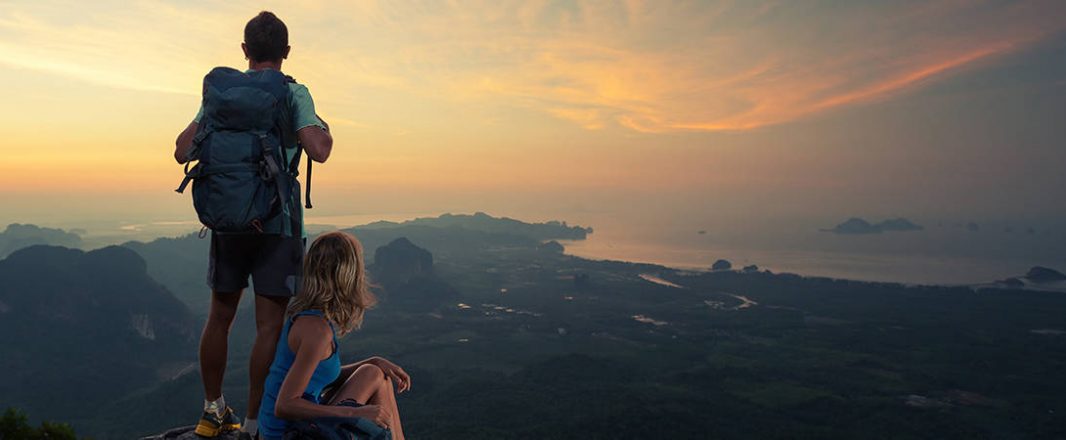
PENT-UP demand there will be for sure – look at how travel has rebounded in markets where restrictions have been lifted – but how can the industry turn “revenge travel” into “beautiful travel”, given the downtime it has had to create new products and services to cater to changed consumer behaviour?
That was the question asked of Laurent Kuenzle, CEO of Asian Trails, Mar Pages, co-founder of Solo Female Travelers, and Nuno Guerreiro, regional director, South Asia, Oceania & Chains, Booking.com during a panel at the WiT Travel Roadshow last Thursday, which turned the lens onto consumers and their changing behaviour.

For Kuenzle, the slow and gradual reopening of Thailand provides the ideal lens through which to view and understand returning travellers and their motivations. Phuket Sandbox reopened July 1, followed by Koh Samui, Koh Phangan and Koh Tao on 15 July under the Samui Plus programme.
Krabi and Phang Nga will open mid-August in what is called a 7+7 model – this will allow foreign tourists under the Sandbox programme to reduce the mandatory stay in Phuket from 14 to seven days, after which another seven nights can be spent in Krabi (Ko Phi Phi, Ko Ngai, and Railay Beach), and Phang Nga (Khao Lak and Ko Yao).
Like all of us, Kuenzle and his team have been keeping close watch on the Phuket Sandbox. Official statistics state that from July 1 until August 1, Phuket recorded 14,910 international arrivals under the Sandbox programme.
Asian Trails handled only 137 of those, he said. “This (number) is very small considering what we usually have, but it’s the first tourists we have seen since the beginning of the pandemic. So we see it as a step in the right direction. But much more has to happen before the country really reopens and foreign tourists return.”
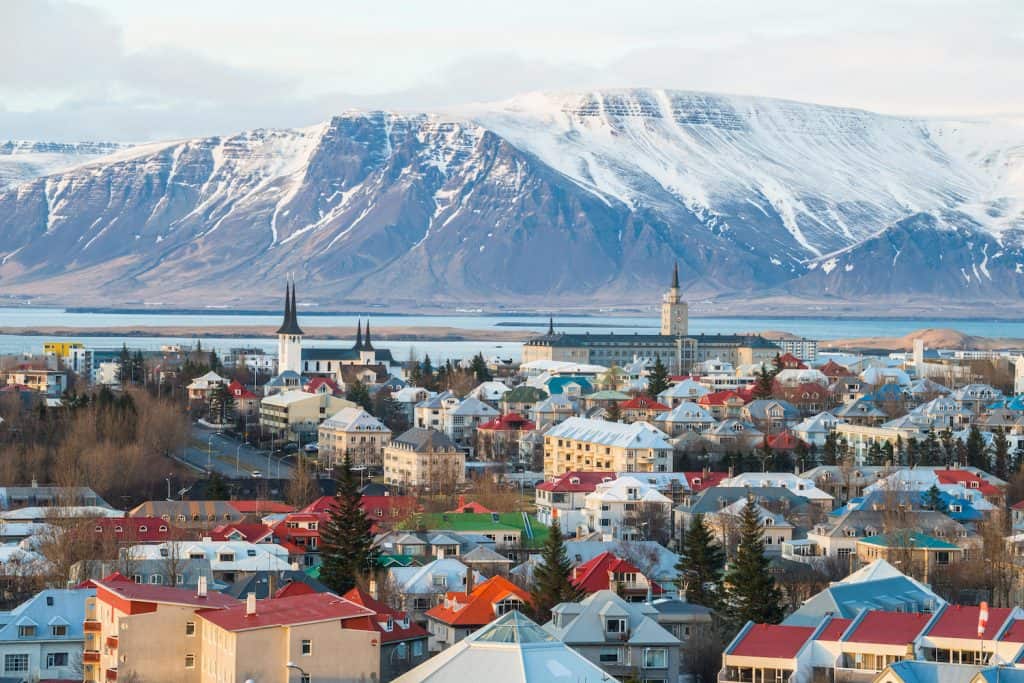
Singapore-based Solo Female Travelers, which started out two years ago with the original intent of creating and running small group tours, has already sold and activated some groups this year and next. Its Iceland trip in October is sold out and it is planning Tanzania in November. Its customers are primarily from the US and Europe. “We have no customers from Asia because Asia is fully closed,” said Pages.
“Tanzania is a relatively easy place for Americans, and it’s easy for them to go to Iceland as it is very near, affordable, no visa requirements and the restrictions are quite straightforward,” she added.
Guerreiro is a believer that demand and travel recovery “will be roaring back”, whether it will be fourth quarter or first quarter 2022 or later.
“Travel restrictions, vaccination rates and some global health standards will impact that ability and how it will vary per country. We have seen the trend, and we have seen positive uptick. And those green shoots are back in Australia, China, in India, but we’re also seeing the reverse” as restrictions are reintroduced.
He added that demand drivers in the next coming quarters would be based on local demand, leisure travellers and ground transportation with travellers moving around by road to get to their destinations.
One clear theme in the new products being developed for the coming rebound is sustainability, according to the three panellists.
Said Kuenzle, “What I see is a very clear trend towards sustainable products. Of course sustainable has different meanings for different people, but there is very much a drive to giving back to the community and to feel good about travel. So sustainability products, excursions tours, multi day tours – that’s going to be very much in demand.
“I believe family travel is going to be big too, and also small group travel. We have very few bookings at the moment because other countries are closed, but from some queries coming in we see many requests for three rooms or four rooms. This would have been one- or two-room requests before the pandemic. So that is another trend that is going to materialise.”
Asian Trails has introduced “Esteemed Principles” such as “eat locally, stay eco-friendly, transport alternatively, and so on” and for a tour to be categorised as sustainable, it must meet at least three of the principles.
Pages said her club’s mission is to empower women to travel the world solo safely and on their own terms. “We always make sure that we educate our members and we do that through the community. We have had experts in the last 18 months come and talk about sustainable travel, animal conservation, animal tourism, zero waste travel, as well as on carbon offsetting and carbon literacy a couple of weeks ago.”
Guerreiro said to help its customers make the right sustainable choice when booking accommodation, it has been working with its partners, and it has over 30 different official certifications with global entities.
“But it is not just those global certifications, but how we also support the initiatives that our partners have. We now have up to 32 different features of where you’re doing efforts on waste management, energy saving and so on, which you can display, and provide that information to consumers.”
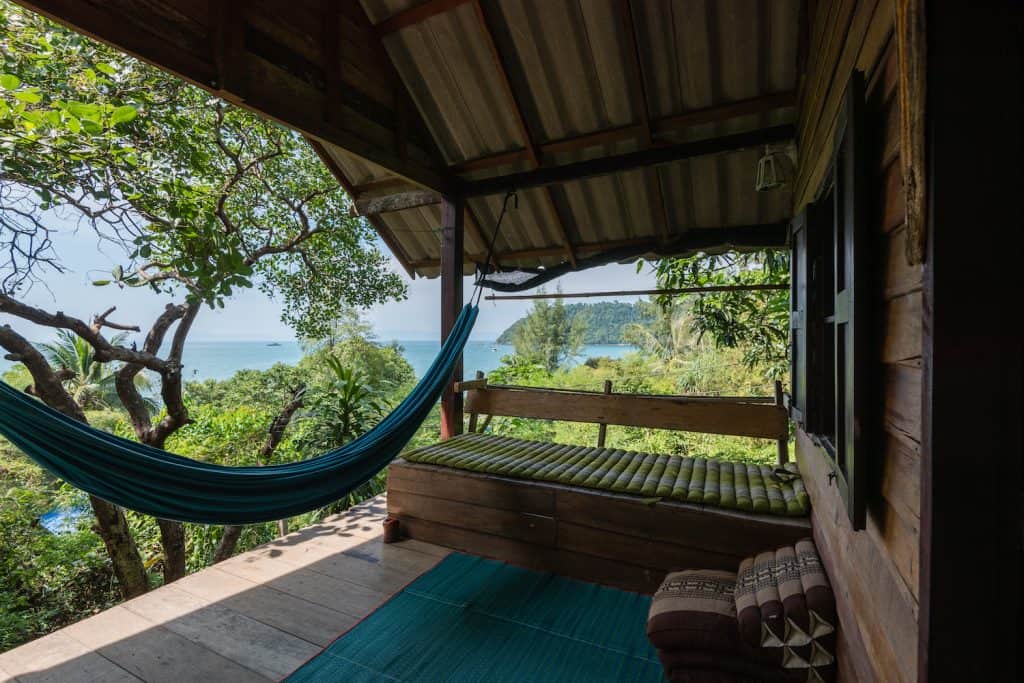
On the accommodation front, Kuenzle said, “Villa products are going to do very well when Asia opens up. Villas associated with hotels, individual villas, villa resorts, I think these are going to kick up very quickly.”
Guerreiro said Booking was also seeing strong demand on homes – “home-like products and vacation rental segment”.
“That’s something we have been working with for many years, so it’s not new. We’ve always seen appetite from consumers to have both accommodation, like hotel accommodation, and then go from a resort to a villa or bungalow in another destination. It also depends on the type of travel experience and consumer tastes.”
Meanwhile, one tip shared by Juliet Kinsman, sustainability editor of Conde Nast Traveller, in her book “Travel: Easy Tips for the Eco-friendly Traveller, is to visit places with “undertourism” and our panellists were asked to share their tips.
Pages picked Sudan instead of Egypt, Guerreiro chose Timor-Leste and Kuenzle, asked to pick an alternative to Angkor Wat, said people visiting Cambodia for the first time would always want to see Angkor Wat but a good alternative is to “add another two days to go outside of Siem Reap … and then visit Preah Vihear Temple, that famous temple on the border between Thailand and Cambodia, which today has no visitors.”
As for what their definition of “beautiful travel” was, Pages said, “Travel is connections. It’s the connection between our members who come alone, and they come for the community to meet like-minded women. It is also the connection with the local women at the destination, which for us is very important.”
Guerreiro said, “When you travel, you grow, you expand your horizons, you learn. I believe that beyond maybe yourself, when you travel the beautiful thing is you grow with the community, you have a positive impact, and that’s what we’re here to do.”
For Kuenzle, “it’s people, people you don’t know. Be able to interact with somebody who is completely different than yourself. Different sceneries, beautiful nature, be alone on a sailing boat in the ocean. I think that just simply wonderful.”
Watch the discussion here on “How To Turn Revenge Into Beautiful Travel”
• Featured image credit: mihtiander/Getty Images