From renting one room on Airbnb to building a brand
FROM helping his mother rent out the top floor of their holiday home in Chiang Dao on Airbnb six years ago, William Le Masurier now has plans to develop a resort that will capture the essence of his “Dek Doi” (which means mountain kid) brand. (IG @dekdoi.chiangdao)
The British-Thai 31-year-old, born in Thailand but grew up practically everywhere – Korea, Japan, Germany, England, New Zealand and China (for eight years) – came up with the idea of creating a “Dek Doi” experience when he and his mother thought of renting out the top floor of their holiday home.

William Le Masurier: “People come into this industry for short-term gain, make money for two to three years and then they leave. The government needs to come in and regulate, otherwise it will affect our industry longterm.”
Its website describes Dek Doi as “a mountainous enclave attracting a movement of purveyors, seeking a new era of community”.
“The essence of Dek Doi is raw and authentic,” he said. “We dig deep into adventure, mountains, nature, good and culture. We do nothing on the surface level.”
When he started with that one room, “I didn’t think it would sell, no one knew about Chiang Dao. But slowly, word of mouth spread through social media, we got good reviews and we were fully booked six to seven months in advance.”
Encouraged, Le Masurier thought it may be time for him to return to Thailand fulltime and work on the idea. “I always wanted to come back to Thailand. I always had the feeling, when I landed in Thailand, that I’m home.”
He and his mother personally took guests on trips. The positive reviews mounted and soon people were asking him to rent out their properties. He then started a management company, Dek Doi, to manage other properties and today, it manages about 16 properties under the brand. Social is a big channel for him – LINE and WeChat, in particular.
Now, with travel returning to Thailand, he feels it’s time for him to create his own flagship resort, one that will capture the essence of Dek Doi.
“I have learnt a lot over the six year, what will work, what will not work. People want experiences that are more exclusive, tailor-made, authentic – more spontaneous, nothing packaged.”

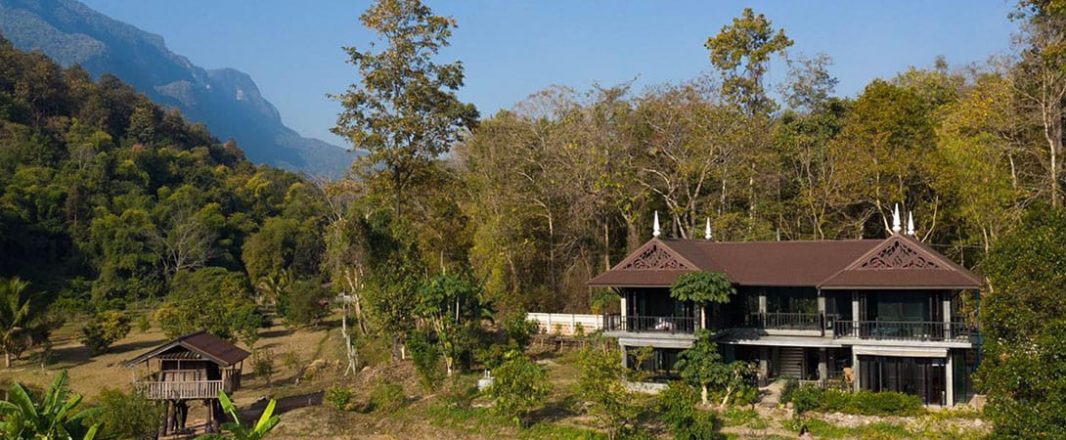
One of Dek Doi’s properties in Chiang Dao, Thailand.
The resort will have four villas, priced between 6,000 and 8,000 baht each, and the setting will take inspiration from Thai gardens. “We will stay away from ornamental landscaping, it will be on big, edible landscape. We want to bring people into an experience they can’t get anywhere else.”
Le Masurier said he saw the trend of urban dwellers, both in Thailand and outside, longing for nature experiences during the pandemic and with travel returning, “we see people coming to us saying, hey, I love this place, I want to buy land a build a house here”.
He also learnt a lot of lessons during the past two years. “When the pandemic first hit in March 2020, every single booking was cancelled over a week,” he said. Later, he started seeing longterm bookings – for a month stay or more – from urban dwellers in Thailand. “Of course, we had to lower prices.”
Prior to the pandemic, guests came from everywhere and China was a big market given Le Masurier, who is fluent in Mandarin, was marketing on WeChat. “There was a year when we only had Chinese guests. Regardless of nationality and age, we attract a certain type of guest – more a state of mind.”
Currently, it’s mostly guests from Bangkok who are returning. “We are seeing foreign tourists come back but it’s still not at the same level.”
Living as close to the land and community as he is, Le Masurier is concerned that developers who want to capitalise on current trends are building short-term projects that “leave a scar on the landscape”.
“Pai is now a ghost town – lots of developers came in, built glamping sites for the short-term and then left. People come into this industry for short-term gain, make money for two to three years and then they leave. The government needs to come in and regulate, otherwise it will affect our industry longterm.”
Le Masurier said Thailand needs to think about “how you can really create value for the people you are attracting”.
“Travel is the ultimate experience, you go back and tell stories to your children through generations. We need to bring the value back to travel through authentic interactions and experiences, not only at the face level. A lot of attractions are being created for the “picture” moment. That’s where the money is going.”
He is aware that what he’s trying to create will be hard to scale. “You can’t scale authenticity and rawness but you can create a lifestyle brand to deliver the experience.”
Plus, he’s learnt much from his own experience in building up Dek Doi and before that, starting a speciality coffee brand in China, that nothing comes easy as well. “I was in my early 20s when I tried to start a new coffee brand in China, very undisciplined, very unorganised. With Dek Doi, we had a tough couple of years at the start, but we were willing to go through the hard times. Passion will overcome anything, if you stick to it long enough.”