
You couldn’t find three more different hoteliers if you tried but Chris Ong, Doris Goh Nixon Chin, sharing their stories at WiT Indie in Penang, share one thing in common – they are each driven by a common mission to create spaces that matter to today’s travellers.
One wants to bring about a renaissance in Penang by bringing intangible heritage back to life in his hotels, one is reimagining luxury for the future for the traveller who wants meaning over bling and one is living his real life through a brand that is wants the Next Generation traveller to live their freedom.
Chris Ong: Soulful curator of Penang heritage
If there were ever a spiritual custodian of Georgetown’s soul, it would be Chris Ong. A former banker and national swimmer turned hotelier, Ong is the force behind George Town Heritage Hotels, including the iconic Seven Terraces and his latest, Argus Residences, a restoration of five heritage homes once used as subsidised housing by the Catholic Church.
But for Chris, architecture is just the frame. “Material heritage without the intangible is like a person without a soul,” he said. His work goes beyond bricks and beams – from reviving Chinese festivals to preserving Peranakan culture, he’s building emotional bridges across time and diaspora.
Chris also doesn’t pine for authenticity in the form of static tradition. When asked if he was concerned that the number of residents in the city’s heritage core has declined from an estimated 50,000 before its UNESCO inscription in 2008 to about 9,000 today (Penang Heritage Trust), he expressed the sentiment that “it’s not about who sleeps in Georgetown, it’s about who values it”.
“For me, it doesn’t matter if a resident lives in Georgetown or who sleeps in Georgetown. The travellers that are here are relevant to the whole community as long as they share the same values and as long as they spend their money where it helps to keep the community alive. That’s more relevant than just local people sleeping in those houses.
“Georgetown is a mercantile port. It’s always had immigrants coming through. So it’s really an organic evolution, an organic fusion, as Penang has been over the centuries. And in fact, if you think about the Chinese visitors visiting Chinatown in Kuala Lumpur or Penang, they are rediscovering their Chinese roots.”
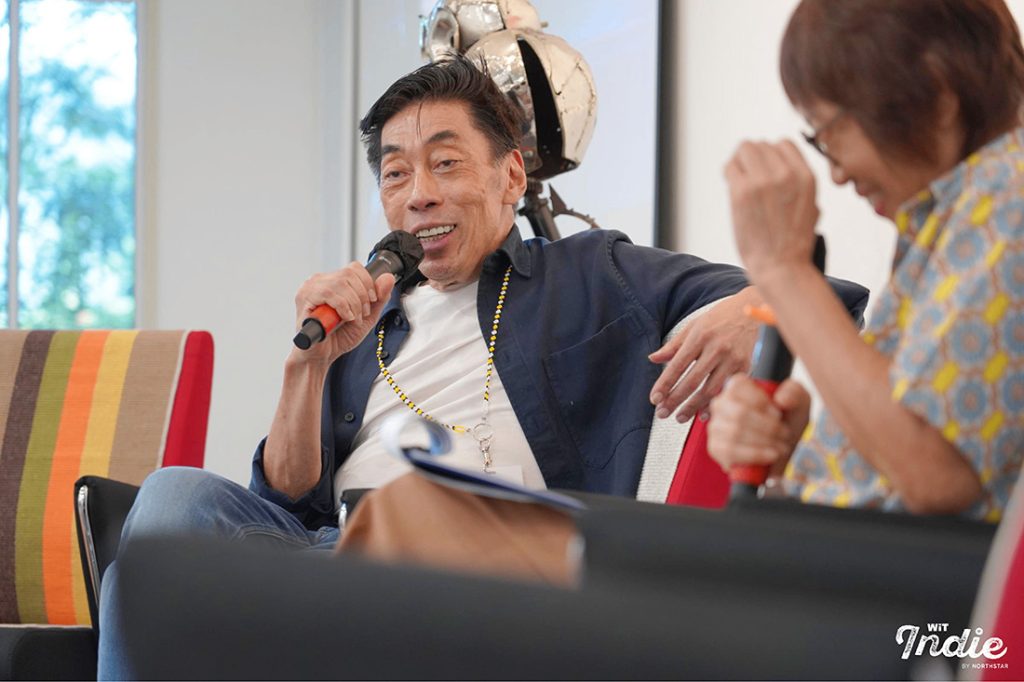
Thus in his view, travellers, migrant workers and locals alike can play a role in sustaining Penang’s evolving story.
He noted that places are a storyline of their evolution and the ebb and flow of people, including foreign workers, keep a city’s heartbeat alive. “It’s not static, living culture.”
Asked how he balances profit and passion, he said, “You can stay true to your belief and stay the course. Of course, it helps to have deep pockets. But I’m a banker. I don’t put money where it doesn’t generate a return. I may however make more longterm decisions.”
For him, tech is the means by which he tells his story – his group is big on social and video content – but he doesn’t believe in AI, calling it “mediocrity”. “It takes in all the information out there and gives everyone the same input.”
As for social media, he said, “I think people are wasting so much time scrolling – when you don’t know, you don’t need to know.”
Chris said that, growing up in the world of his grandmother, he had imagined himself as an “Edwardian Baba” and so he is now living out the dream.
And if he could have one superpower to solve a hospitality problem, he said, “I’d implant the hospitality gene, like a chip.”
Doris Goh: The storyteller of silent luxury
Representing a global perspective from Singapore, Doris Goh, Chief Commercial Officer of COMO Hotels & Resorts, is reimagining luxury, not with opulence, but with soul.
COMO, founded by Christina Ong and headquartered in Singapore, is best known for redefining understated elegance through experiences that marry design, wellness, and narrative.
“Luxury today is time,” said Doris. “It’s the chance to pursue something meaningful, something you never had space for before.”
From barefoot retreats like Cocoa Island in the Maldives to intimate wellness estates in Burgundy’s wine country, COMO creates places that evoke a deep emotional response. “We’re not trying to impress with bling, we want to move people,” said Doris.
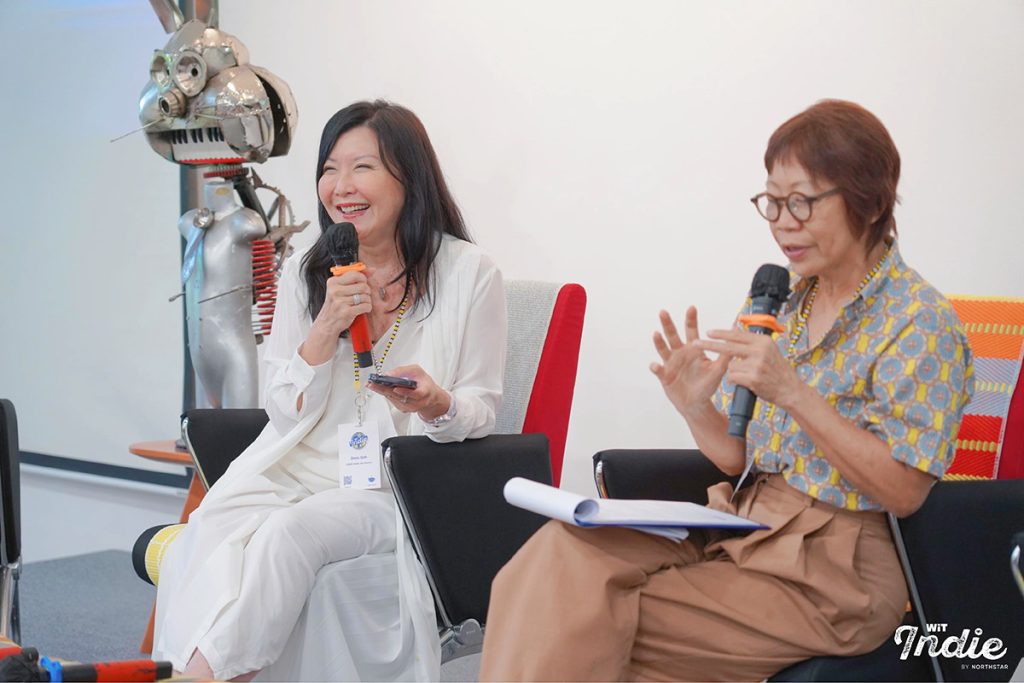
With the global luxury travel market growing, and Asia at the epicentre of the growth, Doris said it was currently dominated by global hotel chains. “I see the opportunity for more indie brands, for the boutique hotels because for our next generation of travellers, they’re looking for more experiential and smaller places.”
Loyalty for COMO isn’t just about points, it’s about belonging and curation, especially for their core 40-to-60s female demographic seeking wellness, transformation and a slower, richer pace of life.
“We’re all caught up in this rat race and people want to seek wellness, but not places where you’re forced into it but where it’s all part of the experience and you’re slowly drawn into it.”
She also sees platforms like TikTok reshaping discovery. “There’s no hiding with AI,” she said. “If your content is real, it’ll show. If not, you’re invisible.”
Nixon Chin: The vibe-maker of new-gen social living
And then there’s Nixon Chin, Lyf Champion of Lyf Penang, part of The Ascott Limited’s fast-growing co-living brand.
Formerly working in luxury hospitality for 20 years, Nixon has discovered his true self in this brand which calls on travellers to “Live Your Freedom” .
He’s ditched the suit and tie, and five star room service for sneakers and vending machines. “This is the real me,” he declared to the audience, as he shared a photo of “the old me”.
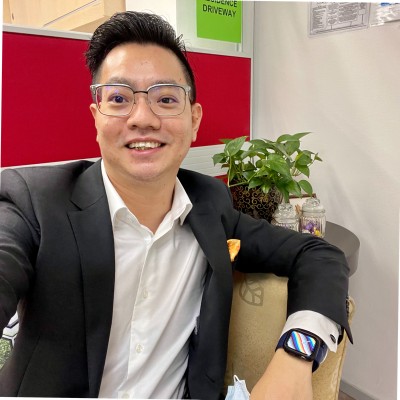
“I’m most comfortable when I’m out of my comfort zone.”
Leaving the comfort of traditional luxury hospitality, Nixon is now having a field day, with Lyf which he says is a playground for community-driven hospitality. Think flexible furniture, co-working meets co-living, lobby weddings, and telephones in rooms “just in case your phone dies and you have a heart attack.”
The guest profile for Lyf Penang may not be similar to that of say, Lyf in Singapore which is more skewed towards digital nomads and longterm guests “but they are all the same in spirit, they are curious and want to try something new”.
His guests span curious elders – its location next to the Eastern & Oriental Hotel helps in attracting an older, more affluent guest – to tech entrepreneurs, and even a few who wander in thinking it’s a supermarket.
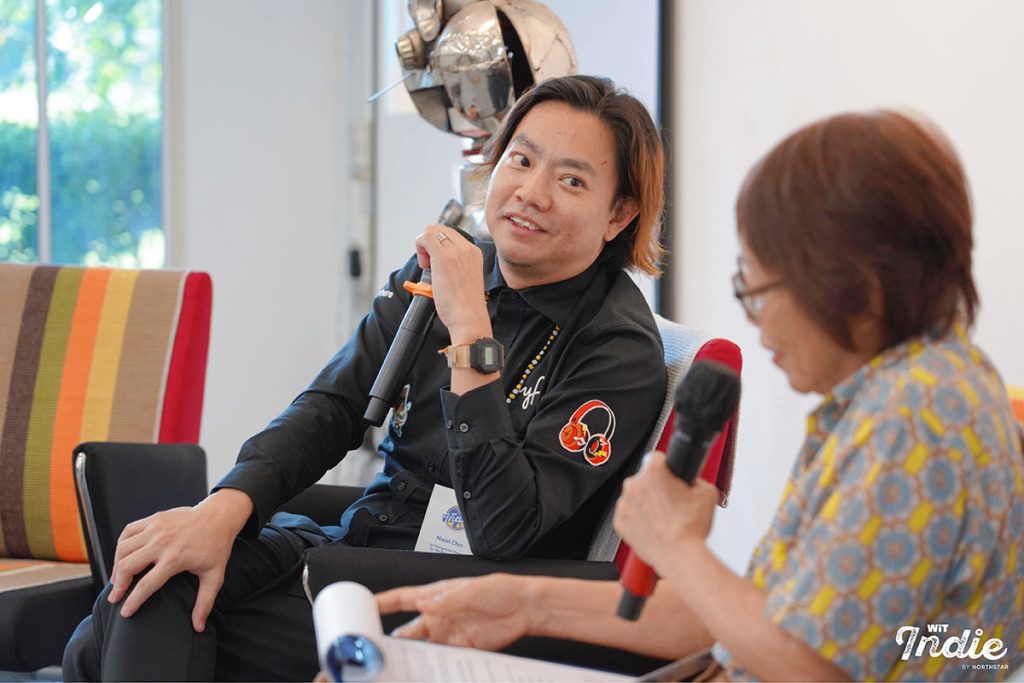
Marketing is done through social – Lyf is big on Instagram, it has yet to test TikTok.
“Loyalty today? It’s not points. It’s vibes,” said Nixon. “The best influencers aren’t the ones with followers. They’re the ones who are fun.”
He hires for personality, not CVs. “We ask them to sing during interviews,” he said, grinning. “You’ve got to break out of tradition to create something truly social.”
United in indie spirit
These three hoteliers – Chris, the Renaissance man, Doris, the storyteller, Nixon the vibe-maker – differ wildly in aesthetic, philosophy and target audience. Yet, they share similar indie characteristics, among them, creative or niche-oriented, value-driven and community-led.
It goes to show that it doesn’t matter if you run an independent business or work for a corporate brand, what matters is how you express yourself individually in what you do and how you stay true to personal core values while pursuing professional goals.