Three AI themes that will change hospitality – context window, Agentic AI and text-to-action
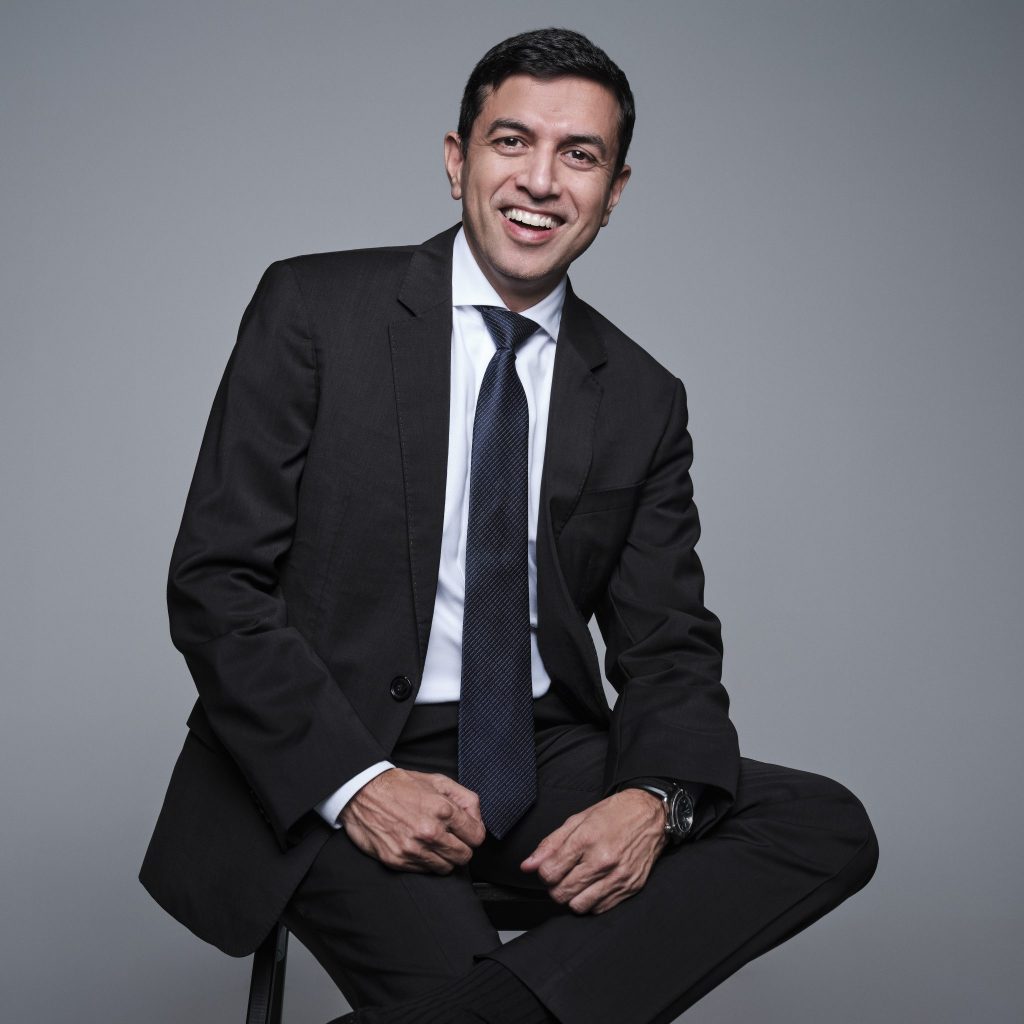
Sanjay Sharma: “We want to transform inventory distribution, CRM and revenue management and undertake a PMS migration to the cloud.”
Back in January, in the first weeks of his new role as Chief Technology Officer of Orascom Hotels Management, Sanjay Sharma. was still uncertain about what lay ahead in this new opportunity.
After all, the Dubai-based veteran technologist, with 27 years experience in driving business transformation, had worked with Emirates, then Jumeirah Hotels & Resorts, both household names in the Middle East and he was transitioning to a new orld of Orascom, which is the hotels management subsidiary of Orascom Development, a Swiss-based company, specialised in the development and management of touristic towns such as El Gouna, Egypt or Andermatt, Switzerland, to name a couple.
In his search for the next role “because I felt I had done all I could at Jumeirah”, Sanjay had chosen Orascom over other top hotel brands based on advice from a mentor. “Sanjay, for the position you are joining, make your decision based on how engaging and inspiring your discussions were with the stakeholders during the interview process.”
Well, he enjoyed the interview process with CEO Stuart Leven so much that he was swayed. “It was for a new role, not your typical head of IT role where you fix laptops or, if you’re lucky, get involved with website design and booking processes – it was a great opportunity to do a full business transformation. Many CIOs or CTOs do not get this opportunity to play with business processes,” said Sanjay.
Even then, even when he was on his way to visit Orascom’s township in El Gouna, Egypt, he was still uncertain about what this opportunity would hold for him.
But something had occurred on the flight to Cairo, which fortified him somewhat. “I was sitting next to this beautiful woman, and she asked me where I was going. When I said El Gouna, she moved a little closer and wanted to know more. She had heard of it and knew it had a great reputation, which made me feel better and proud of Orascom’s product. No wonder nine out of 10 guests who visit Orascom say that they have an amazing experience.”
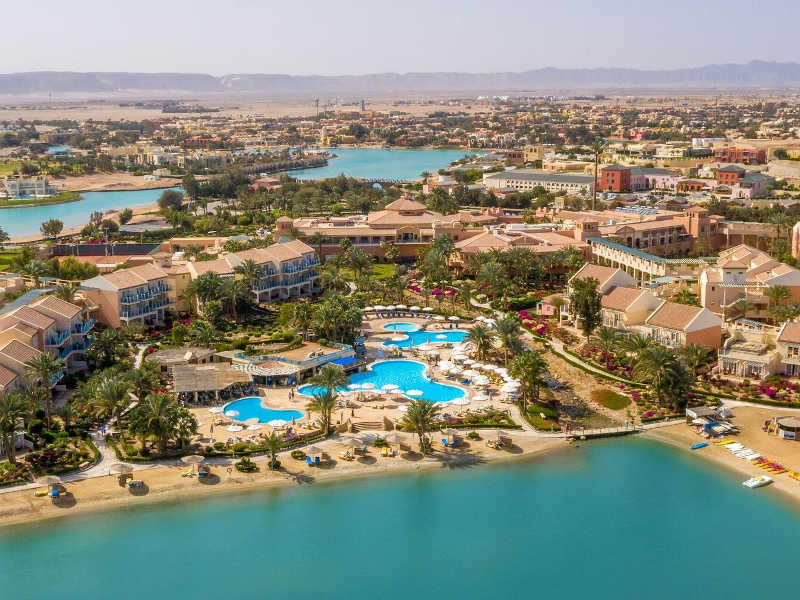
Movenpick Resort and Spa in El Gouna, Egypt
One of the aims is to reduce dependence on external distribution systems
Well, six months into the job, and Sanjay is fully charged with the mission of transforming Orascom’s commercial capabilities within a year and help grow its footprint within the next three years.
One of the biggest hotel owners and operators in the MENA region, Orascom currently has more than 8,000 guestrooms dispersed across Egypt, Oman and the UAE, along with other Hotels under development in Montenegro and Morocco.
“It is an aspirational journey,” he said. “We want to transform inventory distribution, CRM and revenue management and undertake a PMS migration to the cloud. We are relooking everything. We worked hard with Oracle to convince them to work with us – to redesign the business processes from scratch and then move to Oracle Cloud.”
One of the things that baffled him when he got into hospitality was how hotel companies tended to outsource what is considered enterprise architecture which determines how you connect to outside vendors. “This is core to IT, and I found that hard to understand – data and enterprise architecture should be inhouse and not in the hands of various vendors because when you want to put it all together, and connect, it’s an uphill task.”
His idea is to minimize dependence on external distribution systems such as GDSes and CRSes and build its own booking engine to increase its share of direct business.
“Airlines are moving away from intermediaries and OTAs such as Booking and MakeMyTrip, they are all making money from hospitality. The hospitality industry should wake up. I am not saying, don’t work with distribution partners but we have to minimize dependency and use our own system of record to distribute,” he said. “In this age, you can build your own booking engine, put it in the cloud, use APIs and distribute.”
How he says the three big themes in AI transforming hospitality
And he’s particularly excited about the timing of undertaking this business transformation – at a time when three big themes in AI will transform the human-machine interface in 18 to 24 months.
One, context window. “The prompts will become infinitely long which means that we will be able to take the answer from the system and feed it back and ask another question. Think about automated refunds based on cancellation policy.”
Explained Sanjay, “When I first designed the chatbot at Emirates, chat was limited to a few lines, you could not carry the conversation forward. Today, as we speak, it’s going to a million lines. This is transformative, where the context window will be limitless, infinite. When you have such a window, think of how that will transform the guest experience.
“Relate it to cancellation policies – the bot can make sense of the conversation and do everything within a few seconds with high level of precision.”
Two, Agentic AI. “LLM that knows or learnt something new; these agents will be very powerful and there will be lots and lots of agents which will be available to us. It will be like githubs of Agents. One use case could be creating a personalised campaign where one agent will segment our customers and then based on the segment the agent will create the content and then the agent will identify the right time to push the campaign to the right person.”
He explained further, “Right now, all of us are dependent on RPA -based bots, doing repetitive tasks. However, the new age Agents are intelligent. These agents learn something new every time they perform an action. This will transform the booking engine process.
“Imagine, an individual speaking to Agentic AI, and then taking a shoe and showing it to the camera and asking, should I take this shoe for my hike? The agent understands the emotion and converses in native language. It picks up the right shoe for you and puts it in your shopping cart without making you click at so many screens on an ecommerce site – this is happening now.”
Three, Text to Action. “We will be able to say something, and the system will be able to do it anytime of the day. Imagine the new booking engine interface.”
Said Sanjay, “Lots of things are happening in AI that are very transformative and will reinvent the guest experience in how they interact with us. It will transform e-commerce, back office and call centres.”
He is also excited by the possibility of going beyond hotel stays with Orascom’s model of managing touristic townships. “We can bundle stays with activities within the towns, for example, restaurants, attraction tickets, etc.”
Other than the technology needed for the transformation, he said, “the human element also needs to be re-engineered”.
“We understand the importance of change management. We will focus on training the individuals, letting them own the processes and let them drive the change to bring value to the organisation,” he said,.”