The Wrap is a round-up of news in the travel and technology industries, and to keep track of developments in these sectors as the green shoots of recovery slowly take root.
AAPA urges governments to ease “unduly onerous restrictions” on international air travel
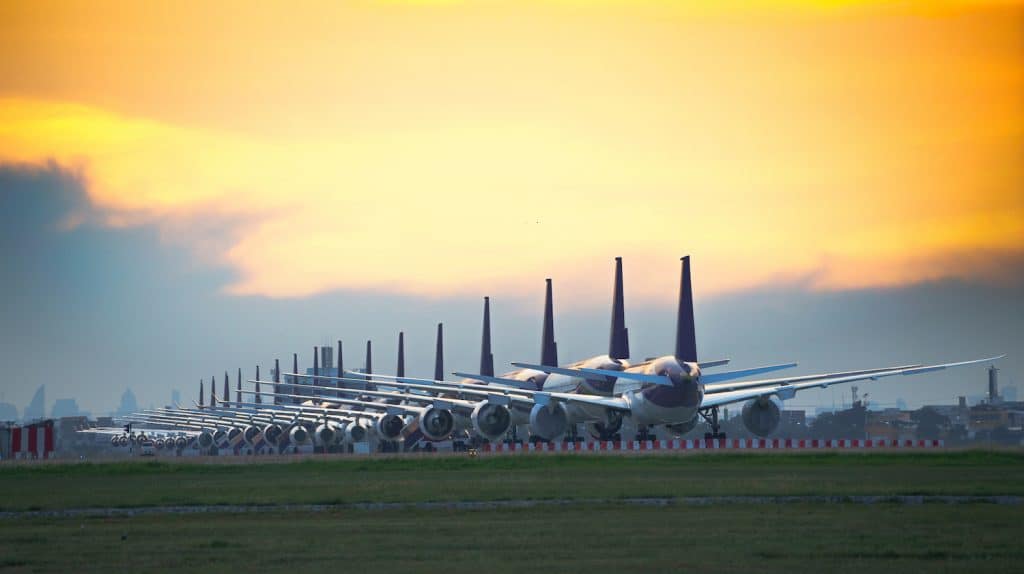
It is more than six months since the outbreak of coronavirus, and with recovery slowly taking shape Asia Pacific (APAC) airlines are resuming domestic flights and taking initial steps to restarting international operations by working with governments, health authorities and other stakeholders.
However, most international flights worldwide continue to be grounded by border closures and other travel restrictions even as domestic lockdowns are gradually eased, states the Association of Asia Pacific Airlines (AAPA).
“The economic consequences of such shutdowns are far reaching, with the travel and tourism sectors among the hardest hit. Airline failures and major job losses have been announced within the industry, and could become more widespread as the crisis becomes prolonged”.
Hopes that international air travel would gradually return in the second half of 2020 now “seem premature,” especially most government are utilsing resources to fighting resurgent domestic infections, added the trade association.
AAPA calls on governments to ease unduly onerous restrictions on international air travel to re-establish global connectivity.
“Restoring international air connectivity is a shared challenge. We are calling on all governments to work cooperatively to re-establish global connectivity whilst maintaining appropriate measures to safeguard public health,” enjoined Subhas Menon, AAPA director general.
He reiterated that APAC airlines remain committed to working closely with governments and other industry stakeholders to progressively restore international air links in a safe and secure manner.
The association also points out that while there is a growing confidence among the public for air travel, a major obstacle is the widespread imposition of blanket quarantine measures by governments on inbound passengers. This makes travel internationally by air “extremely daunting, with questionable benefits over the need for quarantines once adequate community testing and contact tracing measures are in place.”
Adding to the confusion of both airlines and passengers are the unpredictability and changing requirements of such measures.
“International isolation is not a sustainable long term solution for any government given the importance of travel and trade in supporting global economic and social activity,” Menon commented.
He opined that quarantine measures should only be applied selectively for passengers originating from higher risk locations. “Another critical area for cooperation is reaching a common understanding on the use of Covid-19 testing as a further risk mitigation measure in screening international passengers, based on mutual acceptance.”
All concerned parties “must take a pragmatic approach to restarting flights gradually while mitigating risks to restore confidence and trust in the reliability of everyday air travel,” he said
The World Travel & Tourism Council (WTTC) has also urged governments around the world to maintain open borders, and warned that further country-wide border closures could seriously jeopardise global economic recovery.
Indonesia, Dubai and Rwanda latest recipients of WTTC Safe Travels stamp

Indonesia, Dubai and Rwanda are among the latest destinations to start using Safe Travels, the “world’s first global safety and hygiene stamp” launched recently by the World Travel & Tourism Council (WTTC).
These destinations joined Costa Rica, Tobago and Tanzania among the growing number of countries, cities and hotspots worldwide adopting WTTC’s new safe protocols.
“The success of the WTTC Safe Travels stamp shows its importance not only to countries and destinations, but also, crucially, to travellers and the 330 million people around the world who work in and depend on, the travel & tourism sector,” said Gloria Guevara, WTTC president & CEO.
“The stamp is a critical step in re-establishing consumer confidence in Travel & Tourism and ensuring travellers can rest easy knowing that enhanced standards of hygiene are in place and they can once again experience ‘Safe Travels’.”
Wishnutama Kusubandio, Minister of Tourism and Creative Economy of Indonesia said the country has support from WTTC for the development of Guidelines on the Implementation of Cleanliness, Health, Safety, and Encironment (CHSE) under “Indonesia Care” national campaign.
“Parallel to Indonesia’s efforts to restart the tourism industry after the pandemic, we are honoured to be part of the Safe Travels stamp that has been designed to rebuild confidence among consumers so they can travel safely,” he added.
For Dubai, the stamp endorses the city’s strong global cooperation in combating the pandemic with effective measures to gain the confidence of travellers to visit “one of the safest cities” in the world.
“As we reopen Dubai’s doors to tourism and welcome our international visitors back to the city, our foremost priority is their wellbeing, achieved through stringent hygiene and safety protocols that have been deployed across all tourist touch points,” Helal Saeed Almarri, director general of Dubai’s Department of Tourism and Commerce Marketing (Dubai Tourism), stated.
Belise Kariza, chief tourism officer at Rwanda Development Board, said the creation of Safe Travels represents an important step in the reopening of tourism around the world.
“Rwanda’s number one priority is the health and well-being of visitors to our beautiful country. As one of only three countries in the world with endangered mountain gorillas and numerous other primate species, we also have a special responsibility to protect these magnificent animals.”
The protocols were devised following the experience of WTTC members dealing with the virus, and based on guidelines from the World Health Organisation and the Centre for Disease Control and Prevention.
Now everyone can chat with AirAsia’s AVA on WhatsApp

There is now a new way to communicate with low cost carrier AirAsia – via its Virtual Allstar (AVA) chatbot on WhatsApp.
AirAsia unveiled AVA alongside a facelift to its website and mobile app in January last year. The chatbot, powered by artificial intelligence (AI), can respond instantly to customers’ inquiries 24/7.
AVA uses natural language understanding to mimic human conversation and currently speaks 11 languages (English, Malay, Indonesian, Japanese, Korean, Thai, Hindi, Vietnamese, Tagalog, Simplified Chinese and Traditional Chinese).
You can talk with AVA directly on +60 11-3516 5078 in WhatsApp or click on this link. Chatting with the bot on the messaging app is the same as is being currently used on AirAsia website, mobile app and Facebook Messenger. You can start the conversation by just saying ‘hi”. You can view guidelines on talking to AVA here.
AVA can help you with numerous queries from booking a flight to checking flight status, purchasing inflight meals, choosing seats, getting refunds and getting the airline’s latest announcements. Live chat has been AirAsia’s main customer service channel since the airline a ceased its call centre operations in 2019.
AirAsia chief customer happiness officer, Adam Geneave, said the move to add AVA to WhatsApp was timely as a record number of guests are seeking support due to Covid.
“AVA already handles millions of cases annually across other platforms such as Facebook, our app and airasia.com so it makes absolute sense to make her available on WhatsApp where there are more than two billion users worldwide.”
He added during the current challenging times it was important to support its guests and enable them to reach the airline through their preferred mode of communication.
“As with any new technology we continue to learn and adapt and AVA is only getting better and better over time. Currently more than 80% of customer cases can successfully be managed by AVA, and the rest is transferred to a Live Agent who assists directly.”
• Featured image credit: NicoElNino/Getty Images