
WeMo RenTour goes electric
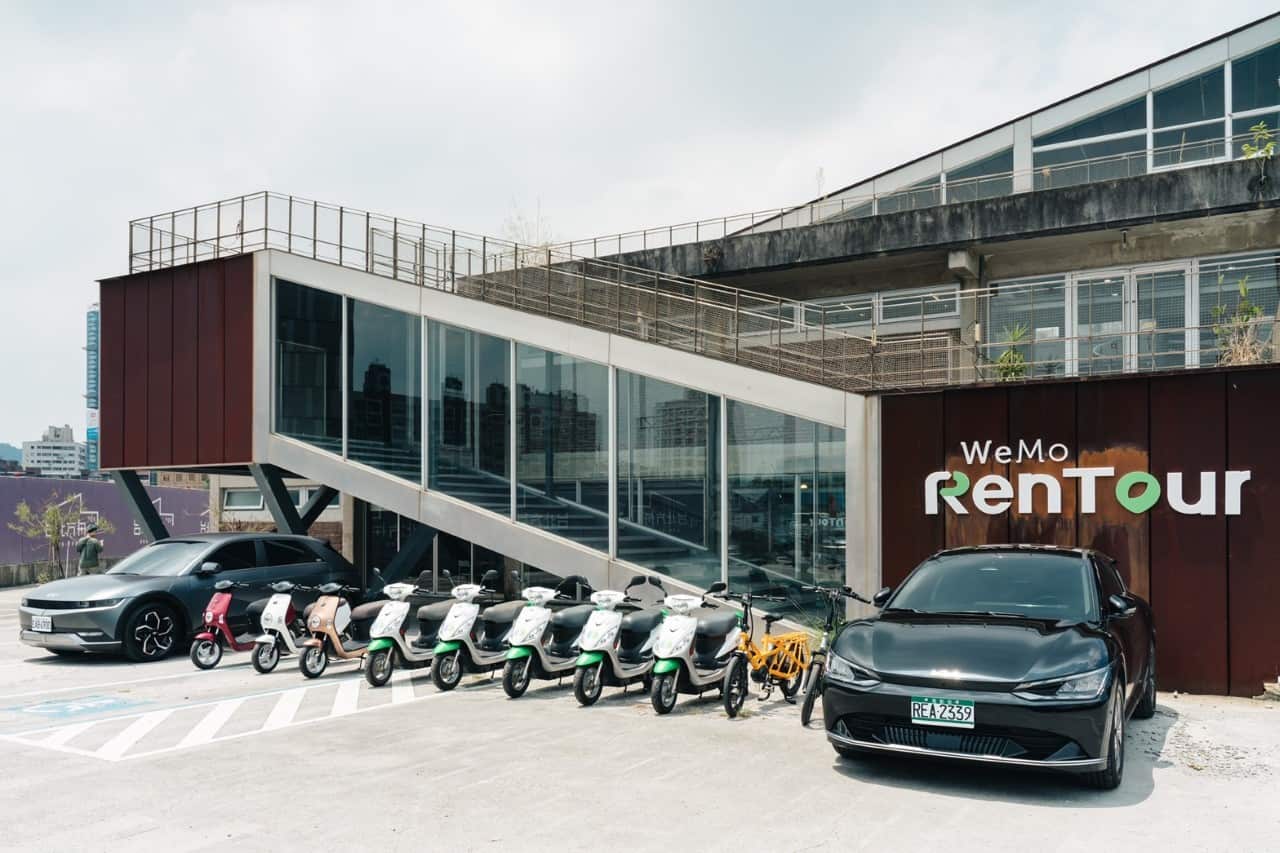 WeMo Scooter has launched WeMo RenTour, Taiwan’s first shared all-electric vehicle platform. WeMo RenTour has partnered with smart vehicle brands and rental companies to offer drivers with smart vehicle rentals and short-term leases.
WeMo RenTour’s first launch is located on Taiwan’s outer island of Kinmen, an island that attracts over a million tourists each year, and will open reservation and rental services immediately.
With its mission to reduce dependency on privately-owned vehicles and decrease emissions, WeMo Scooter has amassed a user base of over a million members in its six years of smart scooter operations. The company is now enabling different modes of smart transportation for its users with WeMo RenTour being an extension of the company’s efforts in electric scooters. Through its smart platform, WeMo RenTour is able to share data and information with rental companies, dealerships, telecommunications companies, regulators, and other partners to provide real-time information on traffic conditions and vehicle performance.
“Environmental responsibility has entered the mainstream consciousness both for businesses and consumers alike. We established WeMo as a model that could encompass multiple forms of transportation – from short daily commutes to longer forms of leisure and business travel. Moving to include electric vehicles and travel-related services is a natural progression as more automobile manufacturers and service providers aspire to digitise their cars and operations, making environmentally-friendly transportation a natural part of urban life,” said Jeffrey Wu, founder and vice chairman, WeMo Scooter.
The party’s over for rowdy Airbnb guests

Photo Credit: Deagreez/iStock/GettyImagesPlus
Airbnb has found a new use for its smart technology: weeding out bookings that have been made with a big party bash in mind.
After trials in Australia the “anti-party” technology is ready to be rolled out across the US and Canada and into other markets.
Airbnb is responding to complaints from neighbours who have been impacted by noisy parties, and from Airbnb hosts whose properties have been trashed by partygoers.
The technology will track “factors like history of positive reviews (or lack of positive reviews), length of time the guest has been on Airbnb, length of the trip, distance to the listing, weekend vs weekday, among many others” to determine whether a particular booking was likely to be intended for hosting a party, the company said.
“We have seen a 35% drop in incidents of unauthorised parties in the areas of Australia where this pilot has been in effect,” the company says.
Airbnb has wavered between allowing hosts to accept party bookings to a more selective approach during the pandemic when the closure of bars and nightclubs led to higher demand for party houses.
If people suspect that a house in their neighbourhood is being rented by someone who has circumvented the anti-party technology to host an illegal gathering , Airbnb provides a Neighbourhood Support helpline they can contact. – Ian Jarrett
Sentosa gets Global Sustainable Tourism Council certification
Sentosa Development Corporation (SDC) has been conferred the Global Sustainable Tourism Council – For Destinations (GSTC-D) certificate. The island joins only 23 other certified sustainable destinations in the world, such as Vail, Colorado and Snæfellsnes Peninsula, Iceland, that are internationally recognised for their compliance with high social and environmental standards.
The Global Sustainability Study 20211 which surveyed more than 10,000 people across 17 countries, revealed that one third of global consumers are willing to pay a premium for sustainable products, and sustainability was rated as an important purchase criterion for 60 percent of consumers.
To retain its competitive edge, SDC, working closely with like-minded businesses on the island, has committed to invest, innovate and transform its tourism model for meaningful long-term sustainability. During the process of the certification audit, SDC’s policies and initiatives as the island operator and developer such as its conservation of its cultural and nature sites, engagement of business community towards lowering its environment footprint, implementation of decarbonisation infrastructure, was benchmarked against 38 criteria and 174 indicators across four categories: Sustainable Management, Socio-economic Sustainability, Cultural Sustainability and Environmental Sustainability.
The certification to GSTC Destination Criteria also represents a significant milestone for SDC and the Sentosa Carbon Neutral Network (SCNN), a carbon neutrality-focused business alliance comprising of 21 businesses and partners on Sentosa. Together with Resorts World Sentosa (RWS) which was GSTC Destination certified and GSTC-Industry Criteria certified for its hotels in 2021, Sentosa is the first island destination in Asia to be GSTC-D certified as a sustainable tourism destination.