


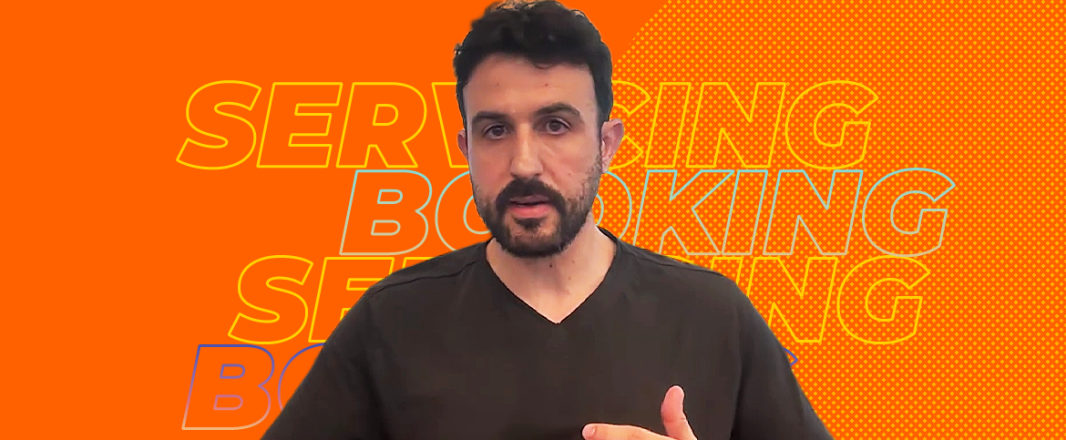
Wenrix CPO Tor Leelo on the banking playbook coming for travel, and the 60% of service requests nobody’s managed to fix.
A decade ago, UK banking customers didn’t switch to digital-first challengers because they were cheaper, they switched because when something went wrong, the response was instant instead of a hold queue. Tor Leelo, Chief Product Officer at travel infrastructure company Wenrix, thinks the same shift is coming for travel, and he’s got the research to back it up. Wenrix’s research shows 82% of frequent travellers say servicing is one of the top factors in who they book with, and over a third say they’ll walk after a single bad cancellation or rebooking experience. “Price isn’t enough to win or keep the traveller,” Leelo says, which raises an uncomfortable question for agencies still competing mainly on fares. If search and booking keep getting faster and more commoditised through chatbots and AI assistants, is servicing the only place left to actually fight for a customer?
Watch the full interview:
By Tor’s account, only 40% of servicing tasks across the industry have ever been automated, not because the technology doesn’t exist, but because travel runs on decades-old, fragmented systems, and outsourcing the problem meant nobody had real commercial incentive to fix it properly. Wenrix’s own product, Deep Flow, claims to automate more than 93% of cancellation and exchange requests, which Tor says is more than double the industry standard. Whether that gap can close to zero, and how soon, is one of the more interesting threads in the full conversation.
Maybe the most surprising number in the interview is that only 14% of travellers say they actually want to speak to a human agent when something goes wrong. “Travellers now consider online, frictionless, instant service to be better than speaking to a human agent,” Tor says. That data point also feeds into a bigger strategic bet Wenrix has made about owning the infrastructure layer underneath agencies rather than the customer relationship itself, a choice Tor says is deliberate rather than just easier to sell.
How does Wenrix make sure Deep Flow is automating best practices and not years of human error and legacy habits? How much of the industry’s rush to build conversational AI onto fragmented booking pipelines ends up failing quietly? And if closing the execution gap first really does build an advantage that’s hard to copy, how much runway does everyone else actually have before that window shuts? Tor answers all three in the full interview.
This is a sponsored post


