While inbound numbers to Korea are not yet back to 2019’s level of 20 million, currently hovering at around 15-16 million, most of it is being fuelled by the huge interest in everything K – K-pop, K-drama and K-beauty – with travellers from Asia forming the majority of visitors.
But underneath the surface, there’s an indie movement taking place – by entrepreneurs passionate about Korean traditions, from hospitality to culinary, and desirous of interpreting them for the next generation of travellers seeking local stories and authentic experiences.
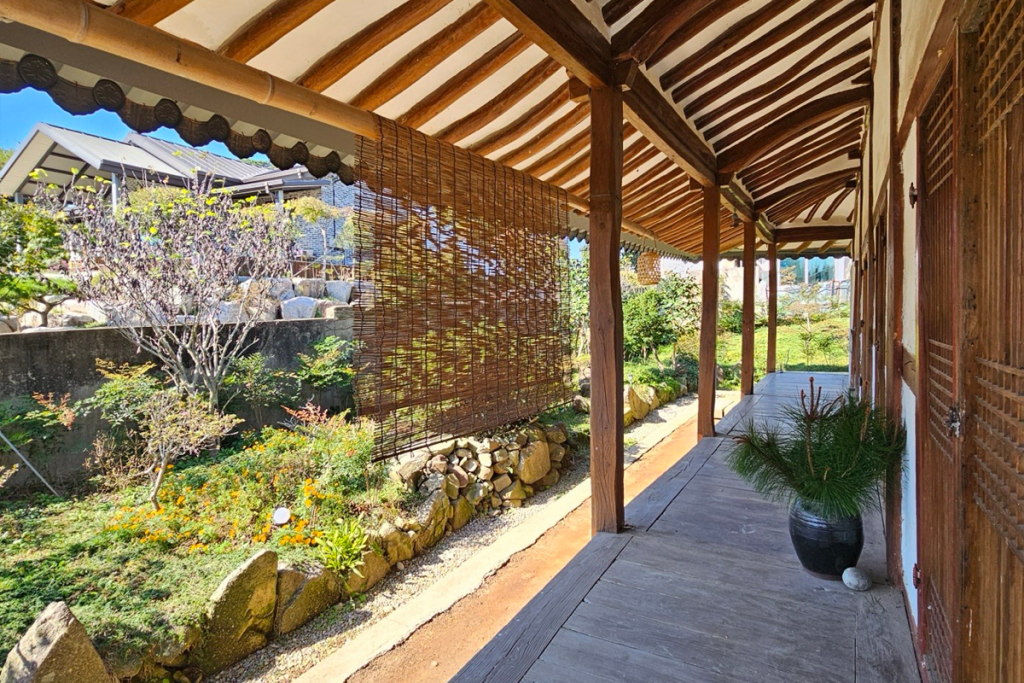
Rakkojae Hanok: Interpreting Korean traditional houses for a new traveller
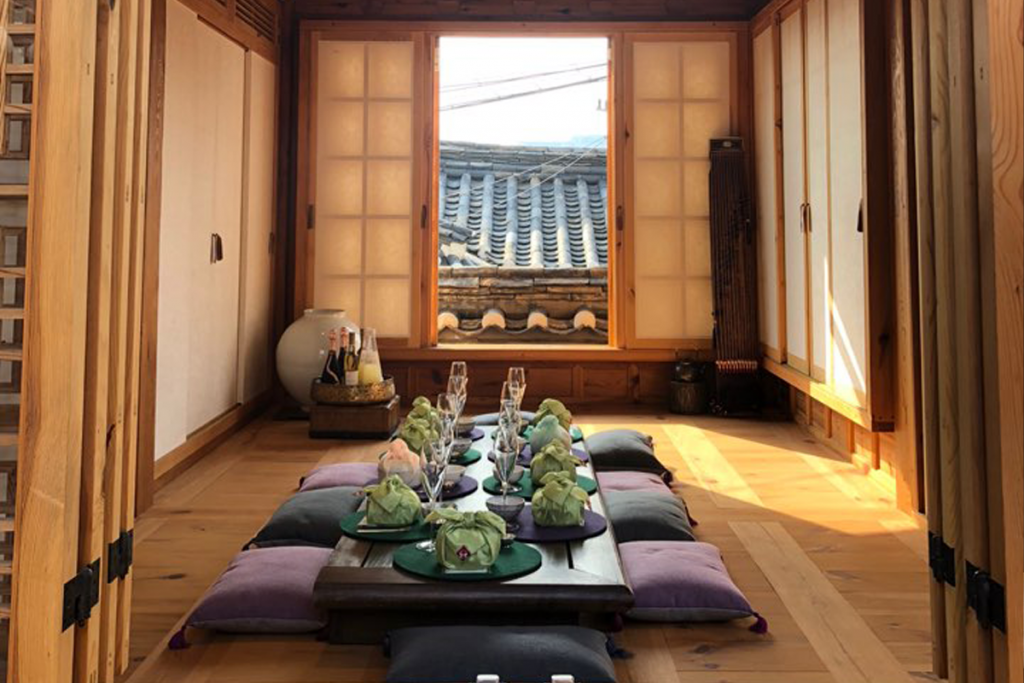
Making its statement in the hospitality industry is Rakkojae Hanok Collection, the first hotel group to take traditional Korean houses and manage them. It is focused on three trends in travel – travellers’ desire for experiental travel, authenticity and wellness, said CEO Dr Michael Jiwon Ahn.
“It is less about opulence, more about what to do and with whom,” said Ahn who prior to joining the family business started by his father worked in hospitality and travel in various organisations including Vinpearl, Vietnam’s leading hospitality company. “It’s about connecting with locals and understanding the lifestyle.”
To cater to the demand for wellness, it is developing new spa programmes that will blend Korean acupressure therapies with leading Korean cosmetics brands. “We want to create a product that will differentiate from other luxury products.”
Rakkojae Hanok Collection was started by Michael’s father, Chairman Ahn Young-hwan, “with the determination to create a cultural asset”. The first “Rakkojae Seoul Main Building’, opened in Gahoe-dong, Jongno-gu, Seoul in 2003.
Michael said the collection currently comprises two clusters of hanoks – 15 in each cluster. “Each takes a long time to build because of the attention to detail,” he said.
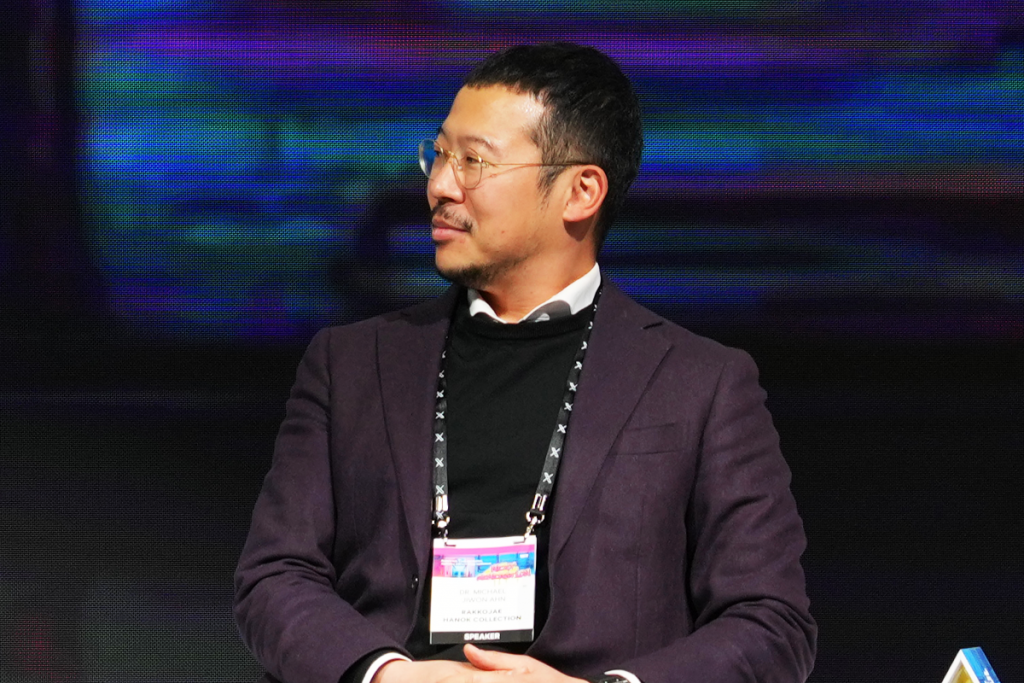
“It is less about opulence, more about what to do and with whom. It’s about connecting with locals and understanding the lifestyle,” said CEO Dr Michael Jiwon Ahn
For example, The Rakgojae Hahoe Hanok Hotel in Hahoe Village, a UNESCO World Heritage Site, took 15 years to build and the design changed almost 100 times, according to this report. Chairman Ahn said, “We did everything we could to realize the perfect borrowed scenery. The effort was beyond imagination. We repeatedly planted and pulled out trees to make the trees seen through the window look the most beautiful.”
For hanoks, the setting and scenery is as critical as maintaining the traditional architecture of the houses.
Pre-Covid, the collection had zero awareness in the domestic market as 99% of its customers were foreign travellers, said Dr Michael. Today, it has built a strong following in the local market and has also developed partnerships with luxury brands and celebrities such as Blackpink, who use the houses as settings and backdrops for their social content.
Sustainability is a given today, Dr Michael said. “We were a bit late with our initiatives when we reopened after Covid, and we were still using single use bathroom amenities. We had guests asking, what are we doing about it? Customers now expect us to do the right thing.”
He is also excited about the diversity of inbound travellers into South Korea, which he said would transform the destination. “The proliferation of K-entertainment everywhere has opened up new source markets. We now see travellers from everywhere, Australia, Mexico, Brazil. This will change Korea as a destination, and this is exciting.”
Moulin de Seoul: Bringing the taste of Jang (Soy) to Paris and beyond
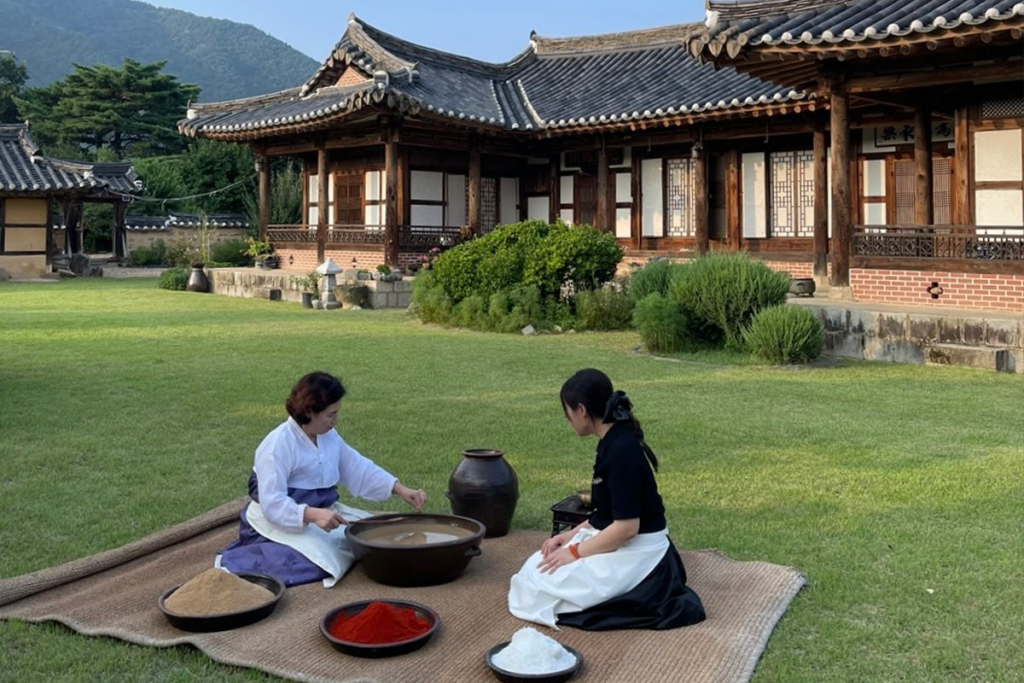
At the heart of Korea’s gastronomic traditions lies the story of fermented foods, and Moulin de Seoul is a testament to this heritage. Yuna Sun is the 24th generation of her family’s heritage in Jang, traditional Korean fermented soy-based sauces, and she started Moulin de Seoul as an initiative for foreign travellers to “experience the real taste of Korea”.
The initiative brings travellers into the world of traditional Korean cuisine. From UNESCO World Heritage temple stays to hands-on workshops, visitors can immerse themselves in the art of fermentation.
One standout offering is a 370-year-old soybean paste, valued at a staggering $5,000 per liter. This isn’t just food; it’s history in a jar. The entrepreneur behind Moulin de Seoul reinterprets classic Korean flavors, like ganjang (soy sauce), gochujang (red chili paste)nd doenjang (fermented soybean paste), presenting them in ways that resonate with global palates. By sourcing raw materials from artisans in regions like Chungcheong-do, she ensures that the essence of Korean cuisine reaches tables worldwide.
“Our goal is to connect the world to Korea’s culinary soul while respecting its roots,” she says.
Her first flagship store will open in Paris early next year in the midst of the French capital, and she has initiated partnerships with Michelin-starred chefs whom she hopes will incorporate her family’s sauces into their culinary creations.
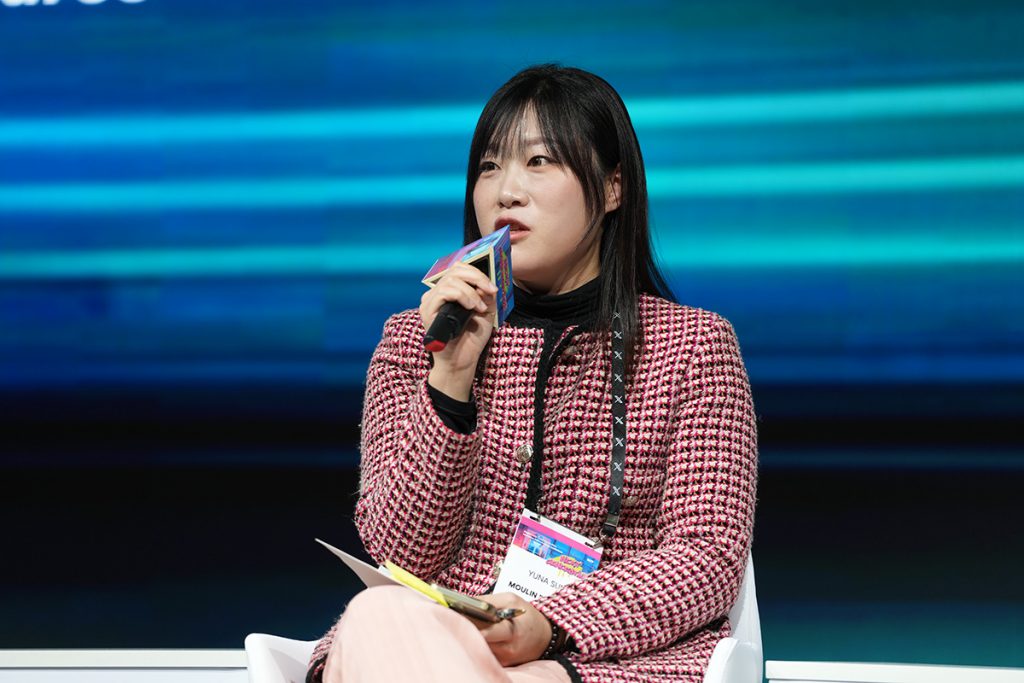
“Our goal is to connect the world to Korea’s culinary soul while respecting its roots,” said Yuna Sun, CEO & Founder of MOULIN de SÉOUL
She is aware of the challenges of making it in a country known for its pride in its own culinary traditions but believes if she can make it there, she can make it anywhere. The store’s location in the 6th arrondissement, popular with tourists, will also expose her family’s sauces to a global market.
She has plans for expansions to England and the US – from curated products to immersive events, the store goes beyond commerce. It’s a cultural bridge, she says.
“Once people experience the real Korea, they’re more open to exploring beyond Seoul. They’ll visit lesser-known areas and dig deeper into our culture,” she explains. Her goal is to offer more than convenience or content – it’s about inspiring curiosity and connection.
Sun comes from the tech startup world, where she spent 12 years playing a pivotal role in the growth and success of startups, helping one company achieve acquisition and four others reach unicorn status in Korea and the US, across sectors such as fintech, mobility, AI, EdTech, and SMB.
Sulbi Lee: Connecting travellers to goodness of herbs and local farms
For hotelier Sulbi Lee, it’s been quite a journey. In 2018, on the same WiT Seoul stage, she was speaking about adopting robots and first self-check-in kiosks as general manager of M Social then.
Six years later, she’s back in Korea, living in her fourth-generation farmhouse in Jeungup. “Wrapped up with technology and corporate life, running away from all the global experiences, I wanted to be self-sufficient – away from the world – opening my eyes to natural farming, permaculture.”
She added, “Everything I love about travel is food. Food comes from soil. Basically, the reason why I’m passionate about soil and permaculture is because I love food, and it connects with farming.”
However, reality struck when she learnt she can’t farm. “I tried for one year and failed miserably,” she said.
Looking around, she realised there were small farmers who were passionate about soil and food “but it doesn’t get communicated out”.
She saw the need for collaboration and community-building and today, she works with her community of small farmers to produce a special herbal tea, “ssanghwacha”, made up of 19 herbs grown by her community. “Ssanghwacha” will also be available for sale in Moulin De Seoul, a perfect example of how like-minded entrepreneurs support each other.
(Note: We tried it at WiT Seoul, and we’d recommend switching from coffee, this is so much healing and better for you)
On her experience, she said, “Ninety percent of Koreans (pre-industrial revolution) come from farming families, yet the countryside feels disconnected from modern life. When I returned, the interaction with my neighbours made me so happy.”
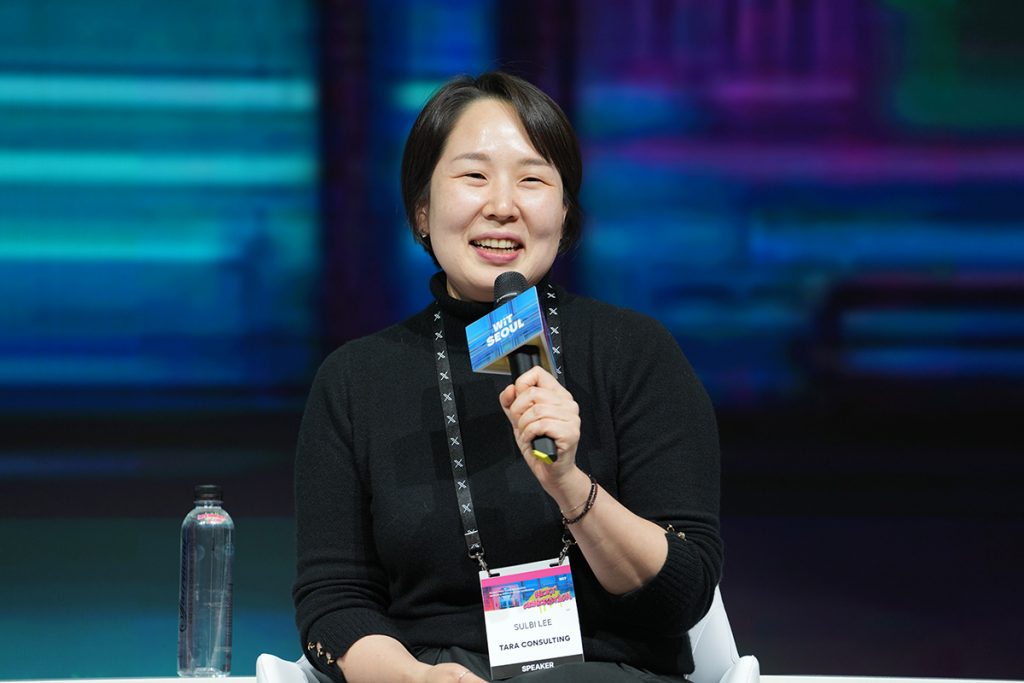
“Everything I love about travel is food. Food comes from soil. Basically, the reason why I’m passionate about soil and permaculture is because I love food, and it connects with farming,” said Sulbi Lee, Founder of Tara Consulting
And this is the feeling she wants to share with inbound travellers to Korea. “I hope many travellers will interconnect with the people within the villages, where they can experience real Koreans – giving and humble.”
She sees potential in a form of agrotourism in Korea, like in Italy, where people can travel and stay in farmhouses. “Korea has unique farmhouses, and it starts with the herbs we are cultivating. It can be used for not only food and cosmetics, and souvenirs.”
At the start, she said she wanted to build a small resort but learnt “you have to make relationships, you can’t go in there and throw money, you have to build trust”.
The reality though is to preserve tradition, and culture requires a lot of money – and she feels there is a disconnect between what travellers want and what the government thinks they want.
“Investment is about making money fast. When you are trying to conserve culture and tradition, you have to find investors that share the same vision and values.”
For herself, she’s contented to take slower steps. “This is worth doing.”
A common thread: Thoughtfulness over speed
What unites these three entrepreneurs is a commitment to preserving Korea’s authenticity while adapting to modern demands. Whether it’s reinterpreting traditional houses, exporting Korea’s culinary and lifestyle culture, or going back to traditional farming practices, their work reflects a thoughtful approach to tourism.
In a world increasingly focused on fast returns, these entrepreneurs take the slower, more deliberate path. They understand that meaningful experiences – both for travellers and communities – are worth the wait.