Destination marketing no longer looks or works like what it did before. It is no longer about year-long campaigns that remain predominantly static, with maybe slight tweaks to highlight certain events through the year. It is certainly no longer about bringing the media and travel agents to your shores and showing them around to the best spots.
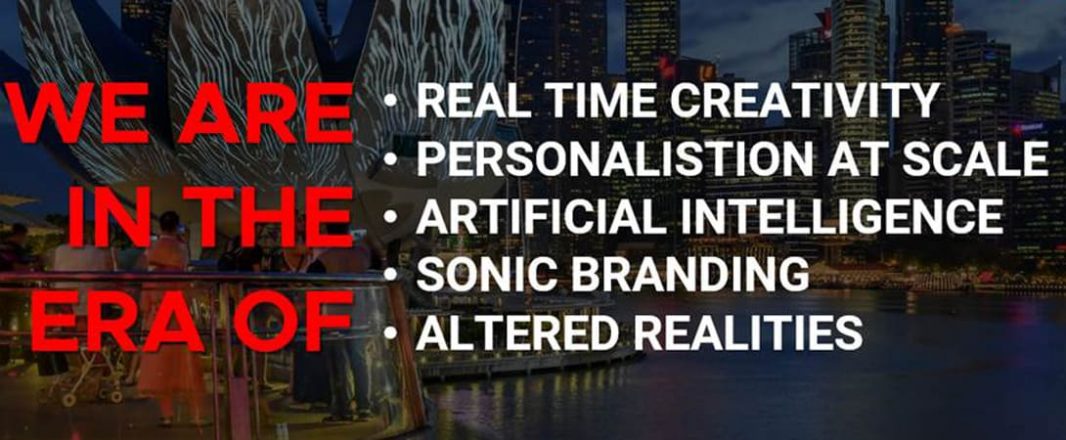
The Singapore Tourism Board has understood this clearly and 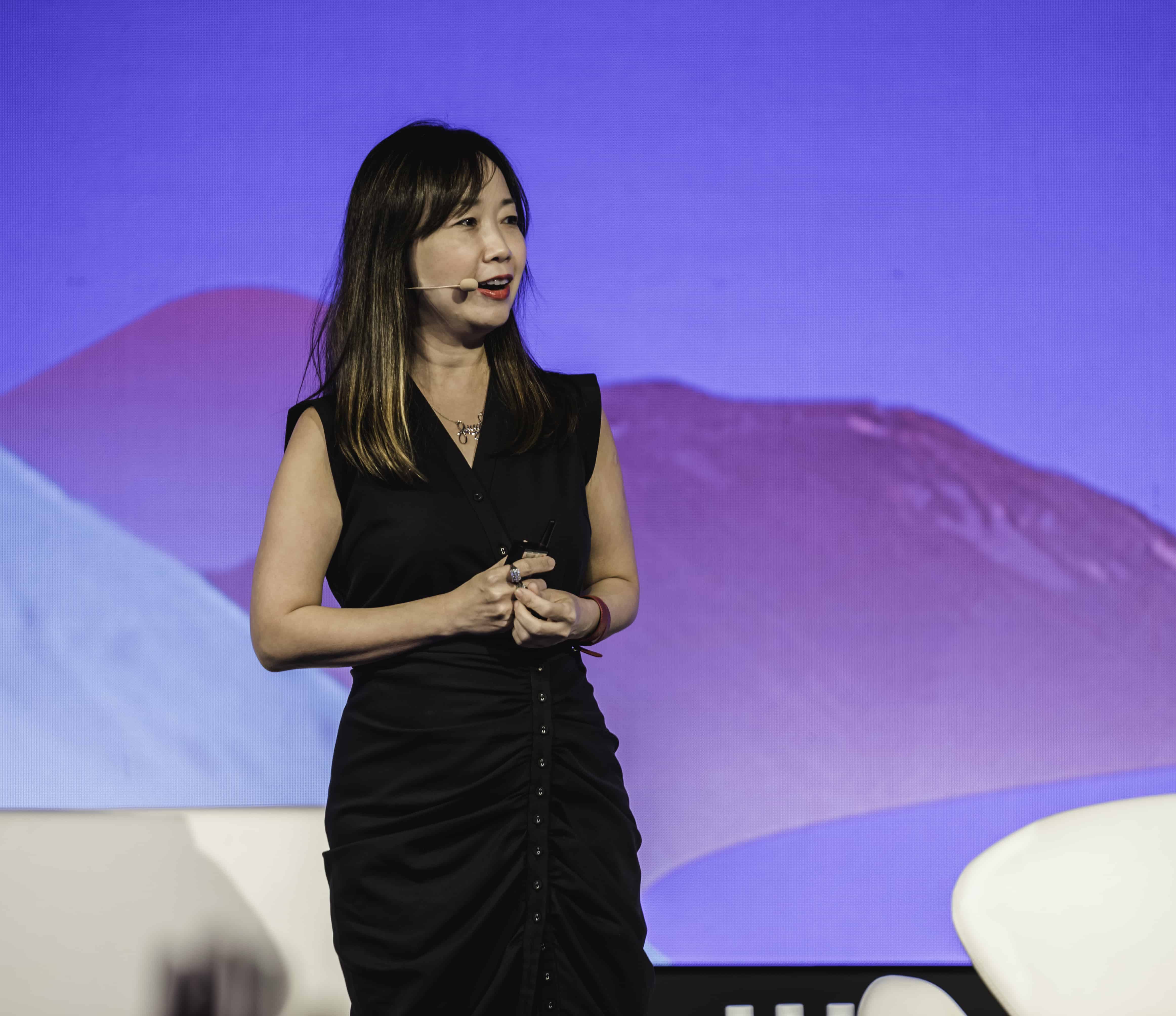 taken the bull, that is digital marketing, by its horns. This is an era defined by real time creativity, personalisation at scale, artificial intelligence, beyond visual and altered realities, said Lynette Pang, assistant chief executive of Singapore Tourism Board’s marketing group (pictured left), speaking at WiT Singapore 2018.
Delivering STB’s ideas on new world marketing, Pang shared its guiding principles: to be agile so as to be fast and relevant; to be bold in its ideas and execution and to do things with impact and make a difference; and to be creative and make connections to its target audience.
Putting agility and personalisation to work, STB was able to react quickly to a potentially damaging call out by TimeOut London rating Singapore the second most boring city in the world. Within 24 hours, STB responded with a tongue-in-cheek video which garnered a lot of reaction and press coverage.
This agility and quickness to respond was possible because STB has already in place a team it calls the “Destination Newsroom”, a social command centre made up of “marketers, data folks looking at data and conversations the whole day just to see if there are interesting triggers that we should act on that could be relevant to conversations in which the brand can inject ourselves into so we can engage our consumers”.
“Being fast and relevant gets you into the conversation,” said Pang.
Speaking of science, Pang also shared how STB is considering Artificial Intelligence applications to “know our customers better, predict what they want, and delight them and take away friction”.
But using technology like AI can bring up brand ethics issues, she cautioned.

(Photo from Lil Miquela’s Instagram)
Computer-generated, hyper realistic influencers, like Lil Miquela (pictured right), are trending in the digital marketing space as a creative way to connect to consumers. But with all that will come brand authenticity and ethics issues, said Pang. “Would you create an influencer that you can fully control?”
Engaging all the senses is also important in destination marketing and STB, in being true to its new principles of being bold and creative, went beyond the usual visual marketing cues to engage its consumers. It has just launched a campaign with Spotify to connect places and experiences in Singapore with music. And it has roped in Singaporeans to participate in this campaign by tagging music that they associate with specific places in Singapore. It will then use these playlists to target audiences. The objective being that visitors can discover Singapore through music.
“Sounds have a way of evoking emotions. And with a lot of voice activated AI, machines and applications, we as marketers and product owners need to start thinking about voice and music. Music can be an important connector to bridge travel and experiences,” said Pang.
Creative content now also embraces mixed or altered reality for STB. A hybrid of Augmented Reality and Virtual Reality, using altered reality applications can help bring possibilities to create new experiences, entertainment and content, added Pang.
“How can brands enhance and add value to consumer experiences rather than force new behaviours?” asked Pang. “How can we add a moment of delight?”
And STB realises it does not have a monopoly on good, creative content. As such, it has launched a $1 million fund to reach out to content creators in Singapore. It is asking for interesting Singapore stories to be told and is offering help to tell it.
Brands, Pang challenged, should consider “using science and data to influence and create more powerful and fun content” because marketing no longer rides on a one-way street.