The Internet economy in South-east Asia is worth a massive US$50 billion and is growing at 27% CAGR (Compound Annual Growth Rate) year-on-year, three times faster than the market in the US.
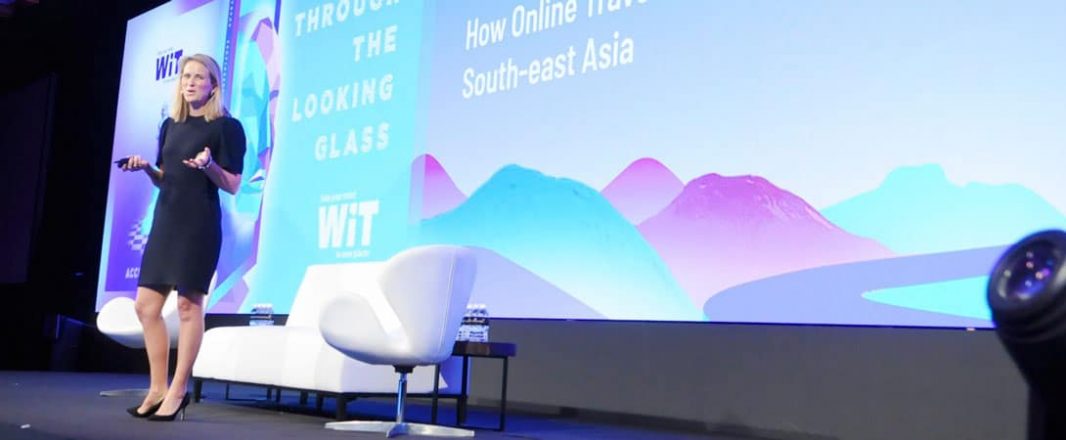
Within this region’s economy, four key industries help drive this growth – online travel, e-commerce, online media and transport and food, disclosed Hermione Joye, head of travel, Asia Pacific at Google
Online travel is the largest vertical valued at $27 billion and growing at 18% CAGR between 2015 and 2017. However, with only about 35% of travel bookings taking place online, the market is still relatively immature.
Joye described this as “exciting” because of the opportunity to tap this sector.
Indonesia is the largest travel market in South-east Asia and the fastest growing. This is due to innovation from local companies such as Traveloka and tiket.com. In 2017, the online travel booking market in the country was worth US$7.6 billion, and is estimated to increase to US$12.98 billion in 2020.
“There are also huge opportunities in markets like Thailand, Singapore, Vietnam and Malaysia. What is interesting about these markets is they are constantly evolving,” Joye disclosed.
The Google sales team, which often go into the market to experience them and see how the consumers are adapting, found the following trends among South-east Asian digital travellers:
- Over 90% have a smartphone today. They spend more time on these devices than any other consumers in the world.- 3.6 hours a day. In Thailand and Indonesia they spend over four hours a day, two hours more than any customers in the US.
- Users are turning to videos more and more to be inspired or make a buying decision. Two out of three users in South-east Asia are influenced by YouTube to make a purchase decision and over 50% of these users say they saw an ad or a brand over the channel that influence their buying decision.
- Consumers are willing to pay more for personalised experience.
“This means mobile is an experience. You need to build on these experiences to make users engage with your brands from their devices and to receive content fast,” said Joye.

Hermione Joye: Consumers in Southeast Asia crave speed, highly engaging content and personalisation.
Malaysia Airlines is one company that recognises consumers have changed to mobile. They realise they need to have fast speed to capitalise on this. It partnered with Google to launch Accelerated Mobile Page (AMP) and was able to reduce load time by 17 seconds from the previous 20 seconds.
“The investment in this tech was well received by consumers and resulted in increased sales three times on mobile, also the ROI increases on generic loading page by 93% and the cost of flight booking went down significantly by 27%,” Joye revealed.
MakeMyTrip, the dominant OTA in the Indian market, also saw the change in consumer behaviour who not only ask for information but also book more from the mobile. A problem is many use low end devices and cannot afford to have precious space on their mobile taken up by an app. Patchy WiFi also makes access to the brand difficult.
To overcome these two problems, the company partnered with Google to develop the Progressive Web App (PWA) and saw “incredible results” as it drove three times the amount of conversion on mobile while increasing key user traffic. User engagement increased by 160% and spending by last-minute shoppers by 30%.
“These companies are successful because they recognise consumer behaviour is changing and that mobile now influences greatly what consumers do,” Joye said.
She listed three key takeaways for travel suppliers to heed:
- Online travel in South-east Asia, valued at US$27 billion in 2017, is set to grow to US$43 billion by 2020; Indonesia to be the region’s largest travel market.
- Best in class initiatives from Asia Pacific highlight that consumers crave speed and highly engaging content and also demand personalisation.
- Travel industry needs to provide assistive experience across the four stages of travel – Dream, Plan, Book, Experience.