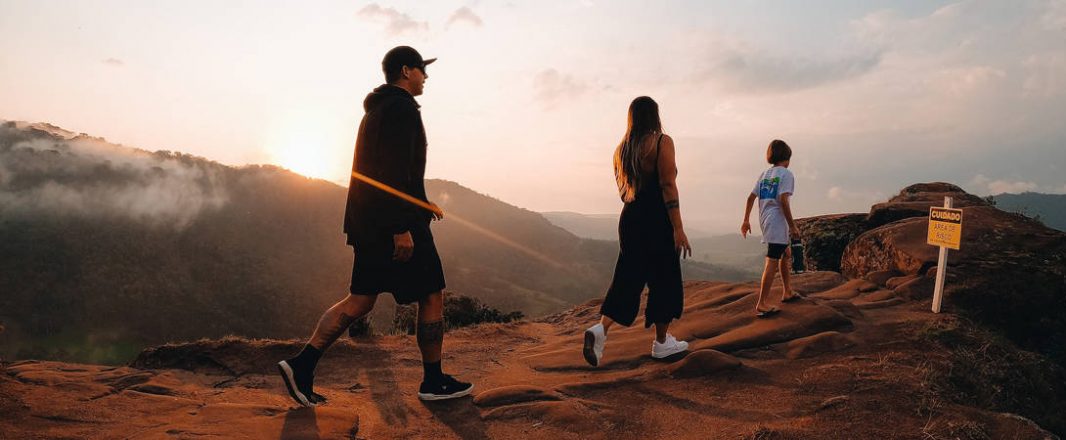
IT’S been said over and over again that work and travel have fundamentally changed. That’s not news. But what’s interesting is how the line between work and travel – activities that used to be on opposite ends of the spectrum – continues to blur. People are working out of hotel rooms. More travellers are opting to stay in homes instead of resorts. Tourists are choosing non-touristy, sustainable destinations. And many of us are happy to be on holiday while still working, or is it the other way round, working on holiday?
Airbnb (with YouGov) recently commissioned a report to understand the depth of these changes and quantify them. Needless to say, their findings are quite enlightening.
Yes, work and travel have fundamentally changed… but we may have underestimated to what extent. The dispersion of post-pandemic travel throughout most of Asia Pacific has not only created a paradigm shift in the traveller, but it has also created gaps in the travel industry that are being filled by local communities.
Here are some of the most interesting findings from Airbnb’s “APAC Tourism Dispersal Report”.
Uptick in rural and regional searches
Post-pandemic travellers are showing an increased appetite for picturesque, rural destinations. This could be a result of “work from home” over the last two years, or just a keenness to discover hidden gems off the beaten path.
For instance, South Korea showed a significant 180% increase in non-urban nights booked during the second quarter of 2022 compared to the pre-pandemic second quarter of 2019. Non-urban bookings were also a hit in India (+140%) and Australia (+60%).
Internal Airbnb data also shows considerable growth in searches for destinations outside major cities in Q2 2022, versus Q2 2019. Some examples include Haldwani, India (330%), Nasushiobara, Japan (200%), Levin, New Zealand (130%), Siquijor, Philippines (280%), and Yeongdeok-gun, South Korea (580%). Searches for both Mount Field, Australia and Marang, Malaysia doubled during this period.
Local communities turning to hosting as a revenue stream
The willingness of more travellers to venture further away from urban areas has created a strong demand for accommodation in previously untapped areas. Local communities have recognised this gap in the market and have started to capitalise on the travel revolution in a big way.
According to Airbnb, hosts in a number of non-urban areas (Asia Pacific) earned more in Q2 2022 than they did in Q2 2019.
For example, earnings for hosts in Australia and South Korea more than doubled, while earnings in India were up by 40%. New Zealand saw a 60% increase, while Malaysia’s stats were up by about a third.
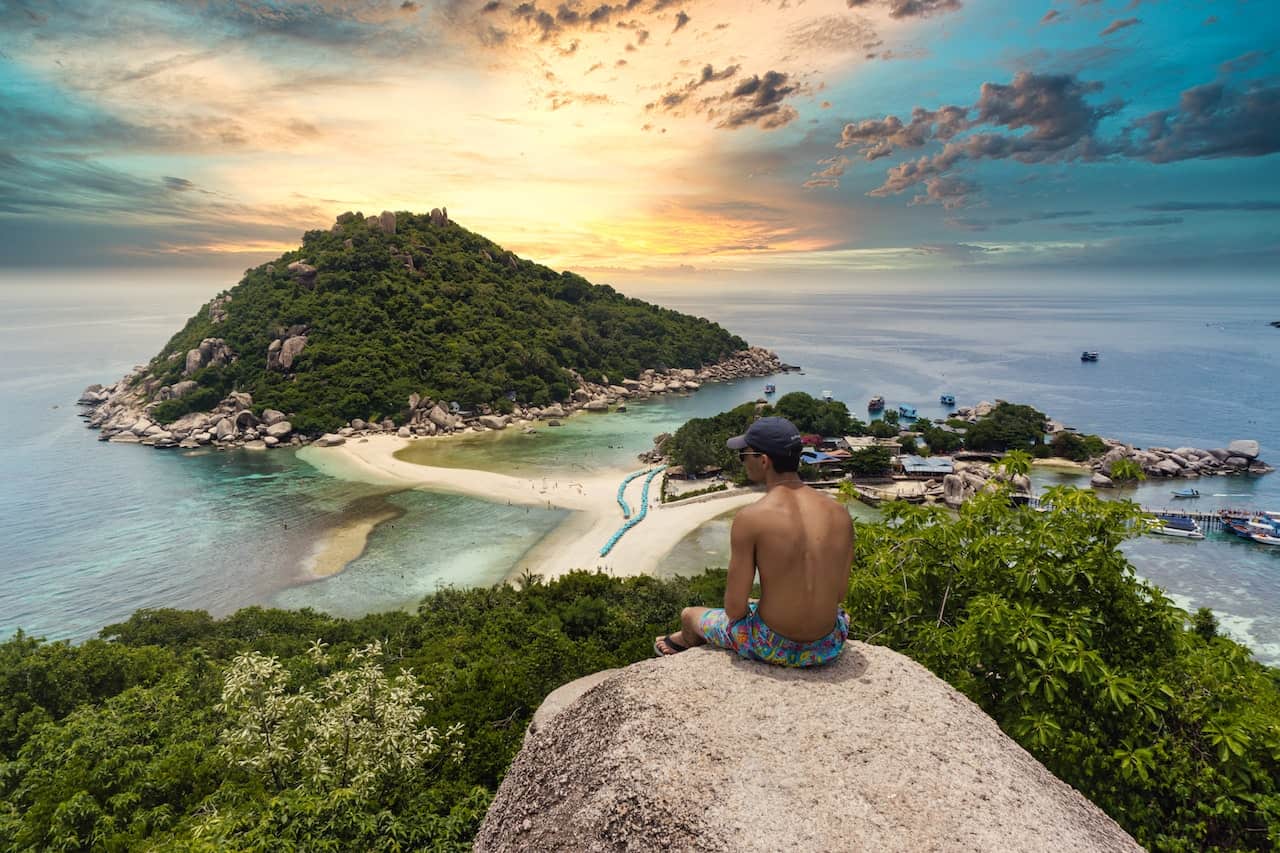 The willingness of more travellers to venture further away from urban areas has created a strong demand for accommodation in previously untapped areas.
Travellers are planning longer trips
Remote work or ‘Work From Anywhere’ has allowed travellers to book longer stays abroad – sometimes up to nearly a month. Bookings for long-term stays in areas outside major cities have dramatically increased across the Asia Pacific when comparing stats in Q2 2022 with Q2 2019.
Some of areas of significant interest are:
Geelong, Banora Point, Mandurah, and Bundaberg in Australia
Arambol, Naggar, Kullu, Agonda, and Almora in India
Dapa, Panglao, Dumaguete, and Silang in Philippines
Niseko, Nago, and Otaru in Japan
Kang-neung, Jeju-si, and Suncheon in South Korea
Ipoh, Kuah, Semenyih, and Port Dickson in Malaysia
Kerikeri, Wanaka, Tauranga, and Napier in New Zealand
Koh Pha Ngan, Koh Lantra, and Krabi in Thailand
Conscious travel is a big deal for the modern traveller
Airbnb-commissioned research and analysis by Economist Impact, which included surveying more than 4,500 participants across nine countries in the Asia-Pacific region, found that more than two-thirds of people say it’s important to create a positive impact for locals.
58% of those surveyed said it’s important that they’re not contributing to overtourism.
Most notably, more than 60% of people are aware that certain communities are in need of economic recovery and will factor that into where and how they travel next. This in in line with the fact that almost two-thirds of participants say they’re using travel as a way to meaningfully connect with the communities and culture at their destination.
Overall, the shift in the way we work has caused both travellers, locals, and the travel industry to rethink and redesign the way they operate. Hopefully this trend of conscious tourism and community-driven travel progresses into the future, with more people engaging in sustainable practices to protect the places and people they decide to visit.