Australia’s island state isn’t interested in being a mass tourism spot
During the STO Showcase at the Australian Tourism Exchange 2023 (ATE23), Sherene Somerville (PR Manager, Tourism Tasmania) was quick to point out that contrary to popular belief, Tasmania isn’t a singular island – it’s an archipelago of 334 islands that makes up approximately 4000 km of coastline.
This remark would set the tone for the rest of the presentation, highlighting a number of lesser known destinations on the island state.
For example, King Island is said to be a hidden gem 80 km off Tasmania’s north-west coast and can be accessed by plane from Melbourne and Mainland Tasmania. Maria Island was also spotlit – a quick 30-minute ferry ride away from the coastal town of Triabunna, or an hour’s drive from Hobart. It’s touted as a wildlife haven for wombats, wallabies, echidnas and 11 endemic bird species.
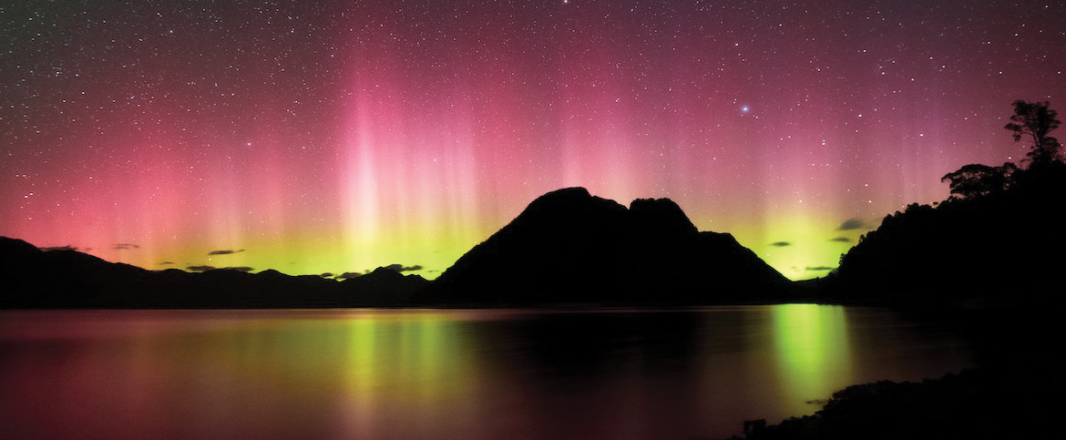
Then there’s Aurora Australis or the Southern Lights, which can be witnessed from the Southern Lighthouse. And of course, the Bruny Island Bakery that functions on the honor system – you pay for what you take and it’s completely unmanned.
But the biggest attraction, an open secret of sorts that was saved for the end of the presentation, was something completely organic – the winter season. “Winter is when we are most different from the mainland”, “We do it properly because we are built for it”, “It’s when our anti-ordinariness and creative spirit comes to the fore” were used as part of Tasmania’s marketing strategy.
The main reason behind promoting winter as Tasmania’s latest attraction is to tackle a perennial challenge in tourism – the off-season or low season. As Australia looks to welcome high-yielding travellers from the Asian region, the natural issue of “summer being too hot” and “winter being unbearably cold” means seasonal dips in tourist footfall.
Another primary reason, as I learned during the ATE23 International Media Marketplace, was to attract regional and Asian travellers who are looking for a proper winter holiday. Australia holds a geographical advantage over the far West in terms of distance and travel time for Asian and regional travellers who are looking for an experience that includes cozy cabins and keeping warm by throwing logs in the fireplace.
Tourism Tasmania also emphasised that they’re not keen on mass tourism. “We want people who come to respect the wilderness and give something back as well – that’s what we call a positive impact of the tourism industry. It makes Tasmania more attractive as a destination,” said Tim Cheng, Head Of Content, Tourism Tasmania.
It’s an unorthodox proposition but not completely out of left field – many popular destinations, despite needing tourism to fuel parts of the economy, control inbound traffic by limiting short-term accommodation options, as well as working with the local community to avoid overtourism.
On a personal note, and as a traveller from Southeast Asia, Tasmania always seemed separate (no pun intended) from the rest of Australia in terms of identity. This year, the state seems to be using their separateness as branding, promoting Tasmania as a truly different destination from the mainland. While there was a sense of friendly competition among the states at ATE23 – all proudly showcasing their offerings from food to culture to coffee – Tasmania seemed to own the “outlier” brand the most
It’s an important distinction to make in a country that’s known for a number of eco-attractions. In theory, it also sounds like an effective way to drive tourists to different Australian regions instead of the usual .
“There was a long-held belief that Tasmania is only good during summer because we’re colder than a lot of other parts of Australia. Until recently, the winter months were not considered as tourism months. For a few years now, we’ve been looking at how we communicate “winter”,” added Tim.
The off-season push seems to have gained traction online, with a quick Google search yielding a number of ‘top page’ results from the last 2 years, all mentioning winter festivals, cultural experiences, food and drinks, and nature-based activities like walks, hikes, and wilderness exploration.
It’ll be interesting to see how the spotlight on winter fares in the long run, and how it stacks up against globally popular Australian destinations like the Sydney Opera House, Uluru, and the Great Barrier Reef. At least to me, the branding of a season as a unique travel experience stood out quite nicely.