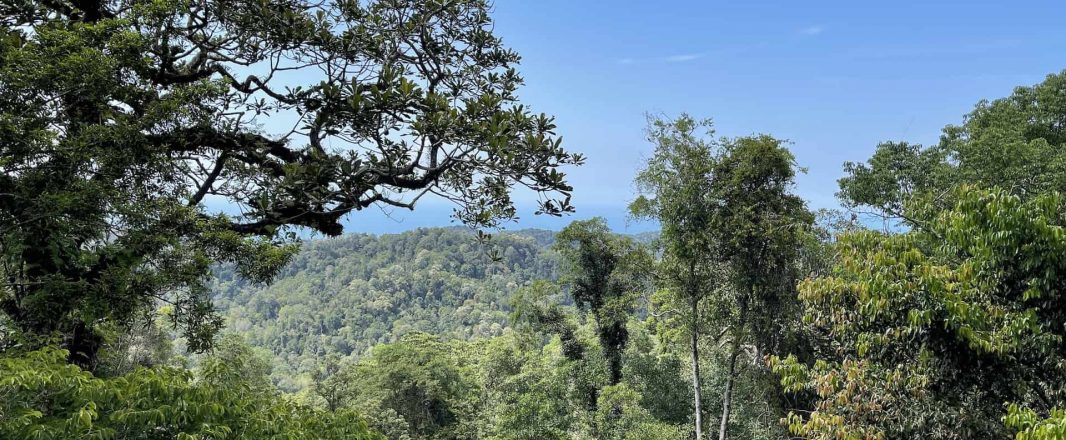
Landscape prize, Biosphere Reserve status give Penang’s nature park even more fuel for purpose
IT had to wait nearly two years for the coveted award so when it was finally bestowed at a physical event in March this year, it was doubly sweet for The Habitat, Penang Hill.
The Habitat, which is part of the newly-designated Penang Hill Biosphere Reserve, had won the President’s Prize from the Institute of Landscape Architects in 2020, but the institute decided to “save it for a coming out party, a return to normal event on March 25”, said Allen Tan, managing director, The Habitat Group.
The event, traditionally held on the sidelines of the International Federation of Landscape Architects conference, which had been planned for Penang in March 2020 with 1,500 delegates expected to attend, was scuppered due to the pandemic. In March this year, it returned with a reduced audience of 300 as a gala dinner.
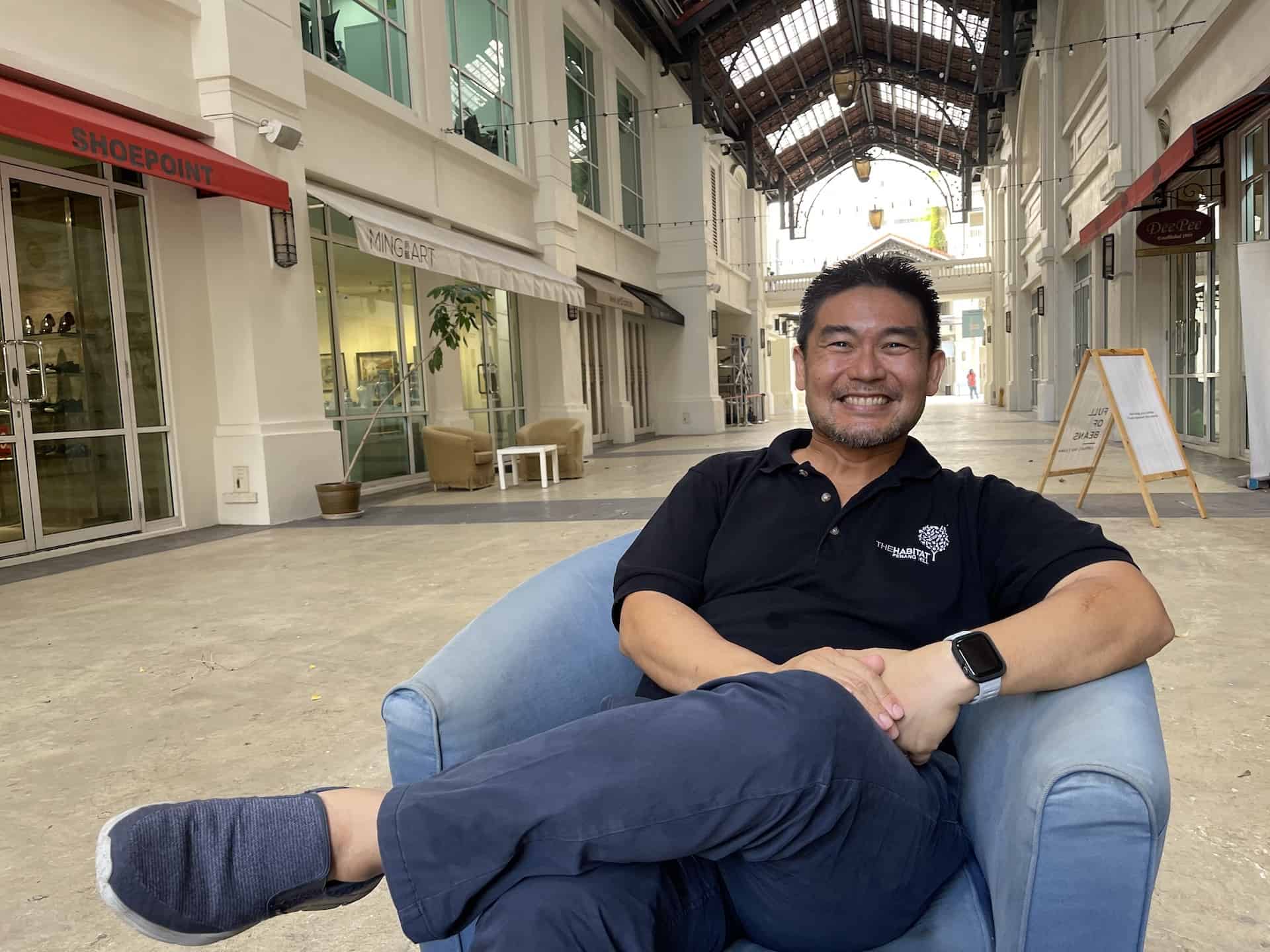
Allen Tan: Wants to make Penang “urban cool” for young people to return to the island to build their careers, like he did.
Said Tan, who received the award on behalf of The Habitat, “This award is significant because it is awarded to projects that are not purely about landscape but to projects with a purpose. These are landscape architects who are proponents of the balanced nature of development and are stewards of the environment who believe in introducing landscaping and green elements to development.”
And The Habitat is certainly a project with a purpose, one which it doubled down on through the pandemic. Its designation as a Biosphere Reserve by UNESCO in September 2021 gave it even more fuel to pursue its purpose.
“The status gives us an opportunity and a platform that will allow us to become a model site for sustainable development, proving that man can have a more sustainable relationship with nature. It is an opportunity for Penang to join the over 700 biosphere reserves in the world, and Penang is the only state in Malaysia to now have dual UNESCO listing (in addition to Heritage).
“This is an amazing opportunity for Penang to rethink its positioning as a destination, especially after the pandemic which has changed so many things in our lives,” said Tan.
Even though Tan said that the park “has always had a different relationship with tourism – we did not take a conventional approach as our core purpose is educating people about nature and conservation and changing mindsets” – it does rely on tourism for its revenues which are then channeled towards supporting The Habitat Foundation.
“We struggled as a tourism attraction – we had to decide between going upmarket with a small customer base or go middle ground to reach a broader market,” he said.
It chose the latter because it felt it was more important to use this moment to reach as many people as possible. It pivoted to the local market and no, it did not lower prices. Indeed, it raised prices by a small amount. “We believed that people would appreciate the value of what we are offering.”
He said, “2021 was the worst year we’ve ever had, we were shut down for so long, and were operational for only 100 days. Thankfully, due to the commitment of the owners and our team, we pulled through and now we do as much with a smaller team.”
The year has started off well. “Revenge travel is real and unbelievable,” said Tan, and now with the reopening, in particular, to Singapore, he is “quietly optimistic”.
It’s made the team even more determined to make the park a success as a commercial entity and become profitable this year. “The whole purpose of profitability is to do more good to address the issues of our time.”
It is investing in technology to streamline operations and make it more efficient. “We are looking at Point of Sales systems and back end to address the user experience and are dedicating resources and budget to that process.”
During the pandemic, it also invested in broadband facilities, enabling it to host hybrid conferences.
It also got creative. It developed a partnership with Wild Immersion, a French company which offers Virtual Reality nature-based travel experiences – customers can visit the Wild Immersion facility at The Habitat for a 20-minute experience.
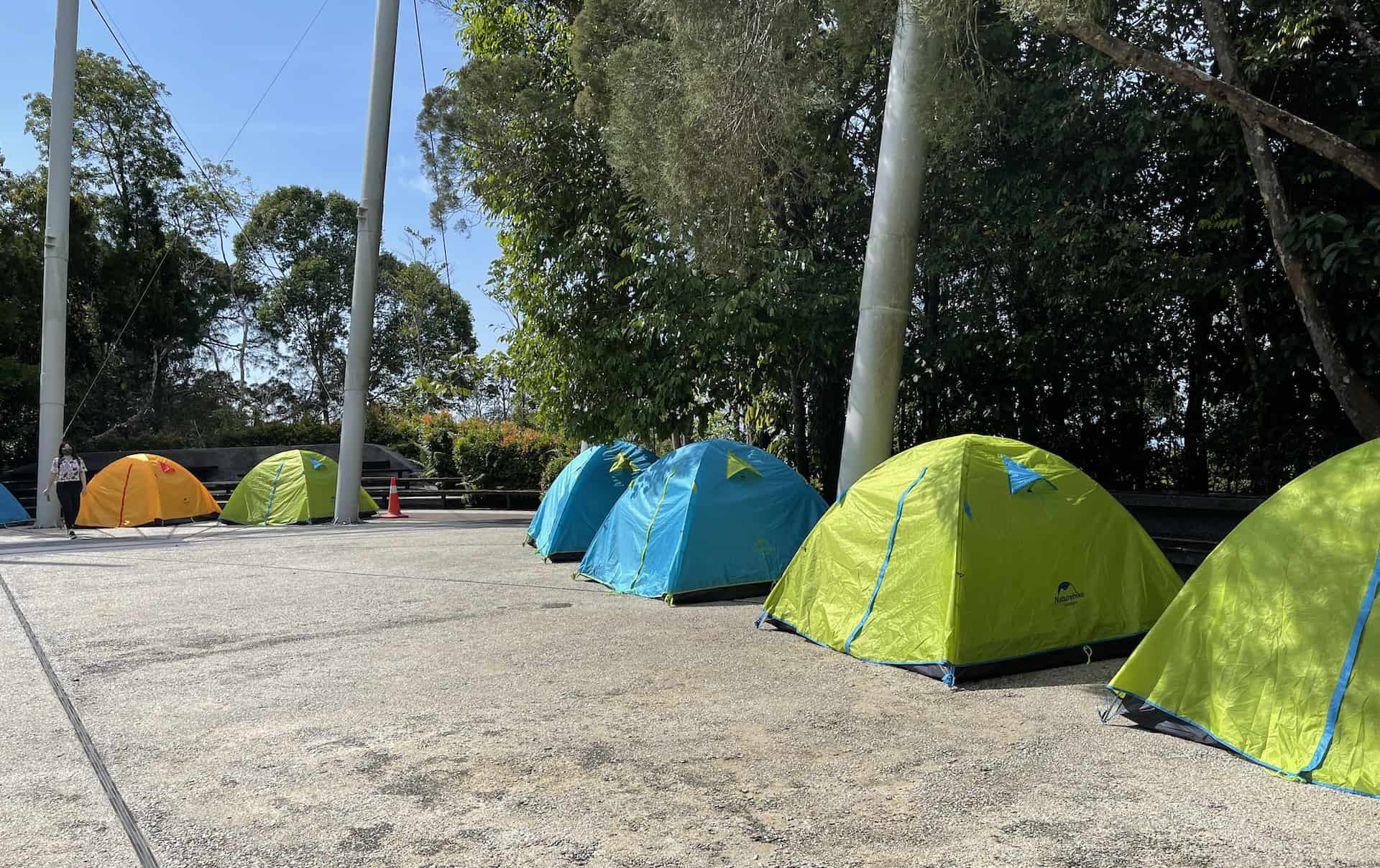
Starlight camping nights are now held every weekend at The Habitat.
It introduced Starlight camping nights every weekend and a forest bathing experience, which remains on offer.
Other than championing nature and conservation, Tan has another personal purpose – he wants to make Penang “cool enough for young people to stay and make their careers here”.
Like most Penangites, Tan left the island to pursue education and career opportunities abroad. “Ninety percent of my generation moved away, slowly, some have returned. There has been a hollowing out of young talent over the years but there’s a generational change and people are now looking for urban cool.
“For me, the George Town Festival made me want to return – it offered a different perspective of Penang, a place where artists, creatives and independents could thrive and got my attention and interest. People are braver now, less about building a corporate career but rather driven by their passion.” (The George Town Festival was launched in 2010 in honour of the city’s designation as a UNESCO World Heritage Site and will be back for its 13th edition from 9-24 2022.)
Tan, who returned to Penang in 2014 after working in Hong Kong, Vietnam, Cambodia and Thailand, said, “During the pandemic, many set up their own cafes, businesses and did deliveries and found that working for themselves could be potentially profitable. The pandemic has certainly changed mindsets about life and work, and I hope about nature as well.”