
ON the edge of the new year, we figured it would be fun to chronicle the last twelve months by handpicking some of our favourite posts and using them as timestamps, so to speak.
2022 was a wild ride for many reasons. For the Asian region, the year started out as one thing – uncertain, restricted, closed-off – and has morphed into something else completely. It’s now robust, teeming with tourists from all around the world, and many countries have done away with all major Covid restrictions. This year was a turning point for travel and hospitality, and a catalyst for travel-technology. The twelve posts that we’ve selected, one from each month, paint a picture of how the year changed from month to month. Some are positive while others are not, and the rest portray travel opinions from individuals or collective sentiments towards the industry.
JANUARY: Imagine new NFT world: How tech can bridge art, culture and travel to alter spaces and places

“I am an artist and now I can make my own NFT.” “So cool ya, can make our own art and sell.” Curious to find out the source of this exchange, I turned around and saw two young boys – probably no more than 12 years old – striding along, with nary a care in the world.
FEBRUARY: Stuff it, get out there and travel
 At last, Australia is letting us from Singapore in, thanks to the Vaccinated Travel Lane arrangement, and enticing us with “fuzzy, furry, flappy, funny mates to meet”. As I know many friends that fit that description, I will soon wing my way Down Under unless … unless … somewhere else opens as well … that I can get to and return, without quarantine.
MARCH: Reopening “exciting but terrifying” – Penang’s indie tourism businesses asking hard questions
 “I HEARD some Singaporeans on the hill yesterday. I can’t tell you how happy I was.” “We had our first visitors from Singapore last weekend, they asked if we had durians.” “We are getting bookings from Singapore, we are so thrilled.” “The floodgates are opening, a bit overwhelming.”
APRIL: Travel for love leads the way, then it’s nature, wellness and sustainability
 First it was “travel for love”, said Tourism Australia’s Brent Anderson, those travelling from the region down under to visit families and friends, then it was travellers looking for a different kind of love – that of immersive experiences, nature and wildlife.
MAY: As travel returns, more transparency needed for consumers to make sustainable choices
 Notwithstanding the war in Ukraine and the volatility of the global economy, the pent-up demand for travel is being translated into actual trips and the global travel marketplace is seeing growth in Monthly Active Users. In 2019, its MAU was 100 million and it’s reaching 75 million currently.
JUNE: Travel in transition – a reshuffle of leadership taking place before our very eyes
 I was never a big fan of Sheryl Sandberg so the news of her leaving Meta (formerly Facebook) leaves me somewhat cold. But her departure did put into stark relief the transition our own travel industry is going through as we pick ourselves up from the wreckage of the past two years.
JULY: Labour, fintech & blockchain and loyalty – the 3 investment themes with velocity
 Supporting its thesis in its 2H 2022 Travel and Hospitality Strategy & Investment Outlook report, it said, “The easing of restrictions post-COVID has resulted in a large rebound in travel. Demand for labour is far outpacing the current supply. Changes in mindsets from workers throughout the pandemic have also made it difficult to recruit. Businesses are looking to improve operational efficiencies, recruitment processes and retention of labour.”
AUGUST: Grab me a Volocopter: eVTOL service gears up for 2024 launch in Singapore
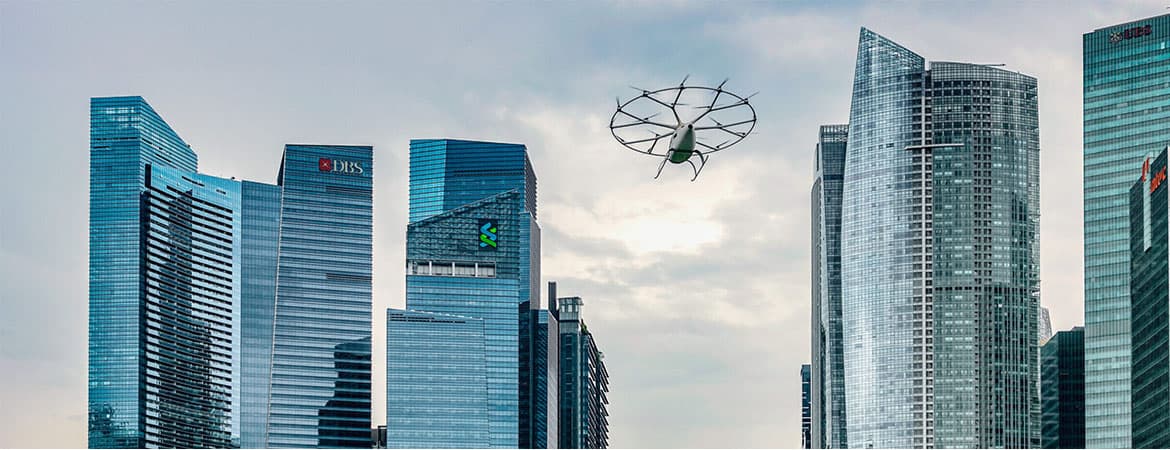 The 2021 Asian Air Passenger Urban Air Mobility In Perspective report states, “The Asia-Pacific region is a key market for UAM and for premium transportation modes in markets like China, India, Singapore, and South Korea that have significant concentrations of dollar millionaires and notoriously heavy road traffic.”
SEPTEMBER: In a Gen Z’s words: Why I never considered hospitality as a career
 Taking on hospitality as a career – to be perfectly frank, this is a thought that had never once crossed my mind. It definitely wasn’t anywhere on my radar when I found myself at that pivotal point of university applications, armed with all of 17 years of worldly experience to choose a future career path.
OCTOBER: “Be the dreamers that do”: Post-pandemic, travel’s desire for genuine change reflected in this panel
 As the comeback event for the online travel industry post-pandemic, WiT 2022 carried with it a spirit of hope from those regathered again for the first time since 2019. In short, the sentiment seemed to be: “We have been away, we’ve seen the darkness – and we are here to start helping to make things better.”
NOVEMBER: Customers want engaging content, flexibility, and no-nonsense refunds
 Smaller, hyperlocal attractions have a harder time capturing the attention of eager travellers. That, my friends, is what the kids call a pain point. This gap in the market is what started my conversation with Parthiven Shan, CEO and Founder of TripCarte, and then TixCarte. Both companies operate in the same spectrum and address a nagging problem in the travel space; the plight of the small, domestic attractions owner. TixCarte handles the business owners, while TripCarte is an end-consumer-facing entity.
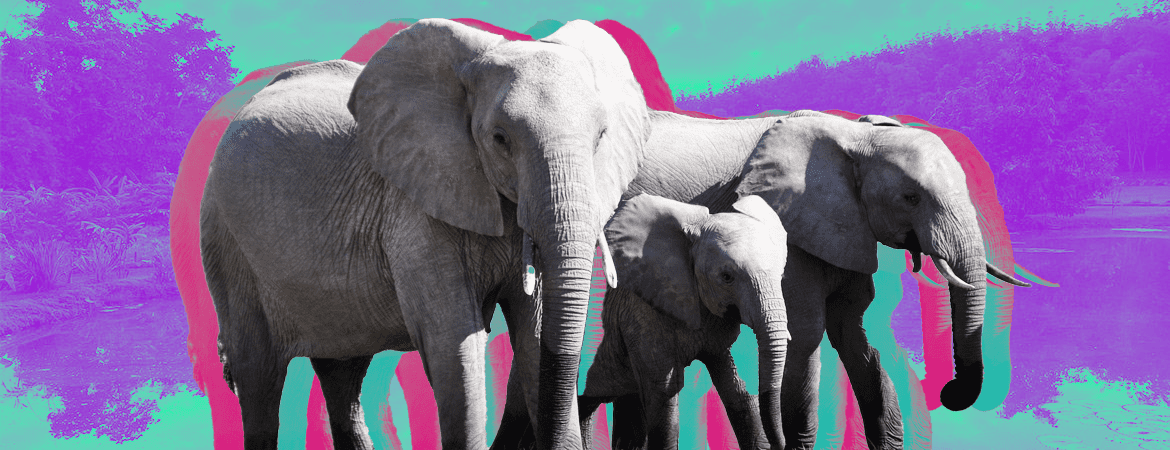
DECEMBER: Letter from Thailand: Hilltribes, elephants, Michelin dining and weed make for a heady concoction
Part of the WiT for Good funds raised this year will go towards supporting the teachers’ stay in the village and the education of the 17 children, following the national curriculum. One boy stands out, he’s 12. He missed his early education and so is joining this cohort, and seems to be right at home with his younger brethren. The schools in these mountain villages prepare the children for a place in Thailand’s formal education system.